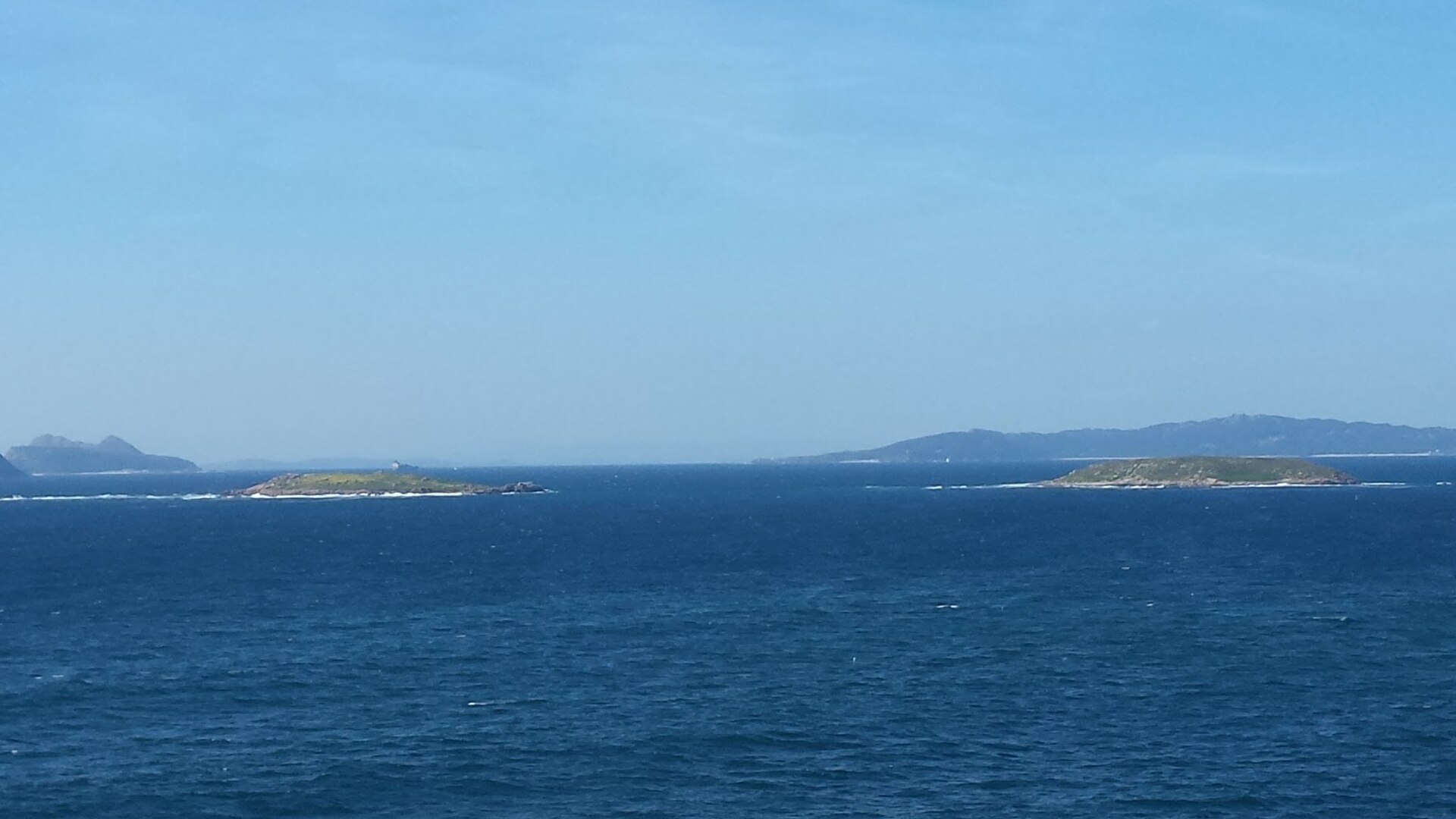
The Cíes Islands rise from the Atlantic where the granite cliffs of Galicia meet the ocean. Three islands—Monteagudo, Do Faro, and San Martiño—form an archipelago that feels suspended in time. The white sand beaches and clear waters suggest a distant escape, but this is no tropical illusion. The Cíes are shaped by salt winds and tides, their beauty unchanged despite their closeness to Vigo.
The islands are part of the Atlantic Islands of Galicia National Park, a refuge for wildlife. Seabirds nest among the cliffs, including cormorants and gulls. Dolphins move through the coastal waters, and seahorses drift in the shallows. The scent of pine mixes with the salt air, creating a fragrance that lingers. Summers are warm, cooled by ocean breezes, while winters empty the islands, leaving them to those who prefer solitude.
The history of the Cíes is tied to the sea. Phoenicians and Romans used these shores as waypoints or shelters. Pirates later hid in their coves, and in the Middle Ages, monasteries and watchtowers stood here. The 19th-century lighthouse on Do Faro remains, its beam cutting through the dark on clear nights. Its horn echoes across the water, a sound that has marked time for generations.
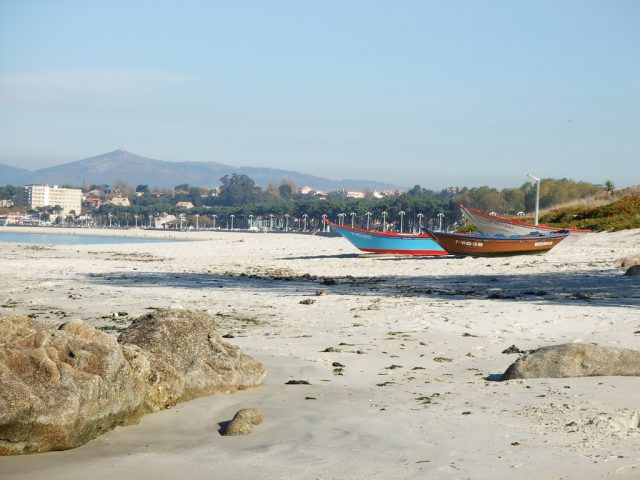
The beaches draw visitors. Rodas, on Monteagudo, is often called one of Spain’s finest. Its crescent of white sand and turquoise water is framed by cliffs and pine forests. There are no sunbeds or bars—just sand, water, and wind. Reaching it requires a hike through the woods, past wind-sculpted rocks and sudden views. Figueiras, on Do Faro, is easier to reach. Its waters are so clear the seabed is visible even at depth. Both beaches share the same quiet intensity.
There are no hotels or shops on the Cíes. A few campsites and cottages offer basic shelter. Most visitors come for the day or stay overnight to watch the sunrise. In summer, ferries run from Vigo, though tickets are limited. Winter brings fewer boats and unpredictable weather. The islands then reveal a quieter side—empty, wrapped in mist.
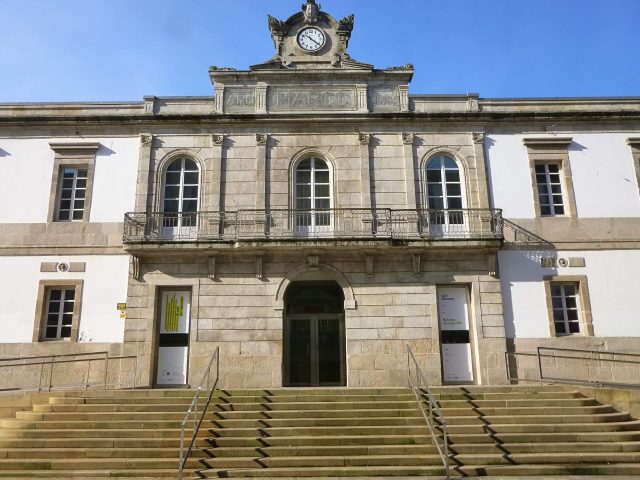
Beneath the sand lie traces of the past. Archaeologists have found remnants of Roman villas and medieval fortifications. Some artifacts are in Vigo’s museum, but much of the history remains buried. The ruins that survive—crumbling walls, old watchtowers—hint at lives once lived here.
Mornings begin with haze clinging to the water. The only sounds are gulls and waves. By midday, the sun turns the cliffs golden. As evening falls, the islands grow still. You can sit on the shore, listening to the tide, or climb to a viewpoint where the ocean stretches endlessly.
To explore, walk. Trails wind through forests and over rocks. The path along Do Faro’s coast passes the lighthouse and old fortifications. On San Martiño, trails are wilder, less traveled. The rules are simple: no fires, no litter, no disturbing wildlife.
The Cíes stay with you. There’s no postcard perfection here—just sea, wind, and trees. This isn’t the Spain of guidebooks. It’s a place to step away from noise, to be alone with the elements. Even in a mapped world, wildness endures here.