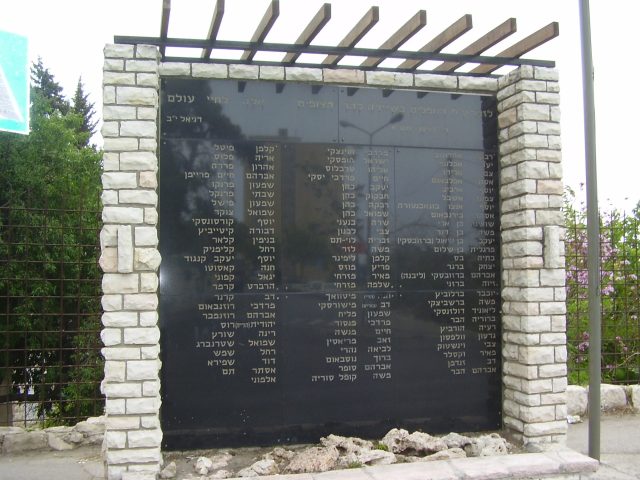
Bethany, known to many as the biblical village of Al-Eizariya, sits quietly on the slopes of the Mount of Olives, just a short distance from Jerusalem. This small Palestinian town carries layers of history, most famously as the place where Lazarus is said to have been raised from the dead, his tomb still visited by pilgrims today. The streets here wind between ancient stone houses, churches, and mosques, where the past feels close enough to touch. Yet life in Bethany isn’t frozen in time—it moves at its own pace, shaped by the rhythms of daily routines, family ties, and the quiet determination of its people. Among the town’s unassuming buildings stands the Al-Uzeiriya Girls’ School, a place that may not draw crowds of tourists but holds deep meaning for those who walk through its doors.
The school itself is modest, a two-story structure built from the same pale limestone that characterizes so much of Palestinian architecture. Its flat roof and small windows blend seamlessly into the surroundings, giving it the appearance of just another home in the neighborhood. Inside, the classrooms are simple, filled with wooden desks and the hum of young voices. Founded in the mid-20th century, the school was established at a time when educating girls in rural Palestine was far from guaranteed. Back then, it was a bold step forward, reflecting a growing recognition that girls deserved the same opportunities as boys. For many families in Bethany and the surrounding villages, it became a lifeline—a place where daughters could learn without having to travel long distances to larger cities like Jerusalem or Ramallah.
Today, the school follows the standard curriculum set by the Palestinian Ministry of Education, though with a stronger emphasis on subjects that resonate with local identity. Arabic language and literature take center stage, alongside Palestinian history and Islamic studies. The classrooms may lack the modern amenities of urban schools, but what they offer instead is something harder to quantify: a sense of belonging. Teachers here know their students by name, and older girls often mentor the younger ones, creating a tight-knit community where learning feels personal. The school isn’t just a place to memorize facts; it’s where girls grow into young women, supported by those around them.
Life in Bethany moves slowly, shaped by the cycles of prayer, work, and family. The school, however, has its own rhythm. Mornings begin with the chatter of students gathering in the courtyard for assembly, while afternoons often stretch into extra lessons or informal study groups. There are no grand sports facilities or high-tech labs, but the school makes do with what it has, fostering an environment where curiosity isn’t stifled by limitations. For many girls, this is their first taste of independence, a space where they can ask questions, make mistakes, and discover their own strengths.
The town of Bethany is steeped in history, its narrow streets leading to sites that have drawn pilgrims for centuries. Yet the school isn’t a relic of the past—it’s a living part of the community. There are no tour groups here, no guides pointing out historical details. Instead, the building hums with the ordinary, everyday moments that define it: a teacher explaining a math problem, a group of girls laughing over lunch, the quiet rustle of notebooks during an exam. It’s a place where the weight of history meets the immediacy of the present, where the stories of the past are carried forward by the people who live here now.
In a region where the future often feels uncertain, education remains one of the few constants. The Al-Uzeiriya Girls’ School stands as a quiet testament to that belief. For the families who send their daughters here, it represents more than just an education—it’s a chance at something better. The challenges of life in Palestine are never far away, but within these walls, there’s a sense that knowledge can open doors, even when the world outside seems closed. The school doesn’t promise miracles, but it offers something just as valuable: the tools to navigate an unpredictable future.
To outsiders, the school might seem unremarkable. It doesn’t appear in travel guides or feature on lists of must-see attractions. But for the people of Bethany, it’s woven into the fabric of their lives. It’s where generations of girls have taken their first steps toward adulthood, where teachers have shaped young minds, and where the community gathers for celebrations—graduations, holidays, even the occasional wedding. The building itself may be simple, but its role in the town is anything but. It’s a place where the ordinary becomes extraordinary, not through grand gestures, but through the steady, unshakable belief that every girl deserves a chance to learn.
Bethany isn’t a tourist destination, and the school has no interest in becoming one. It exists for the people who need it, and that’s enough. In a world where education is often politicized or commercialized, here it remains refreshingly uncomplicated: girls come to learn, teachers come to teach, and together, they create something lasting. There’s no fanfare, no grand mission statement—just the quiet, persistent work of building a future, one classroom at a time. And perhaps that’s the most powerful thing about places like this: their strength lies not in spectacle, but in their stubborn, unassuming reality.