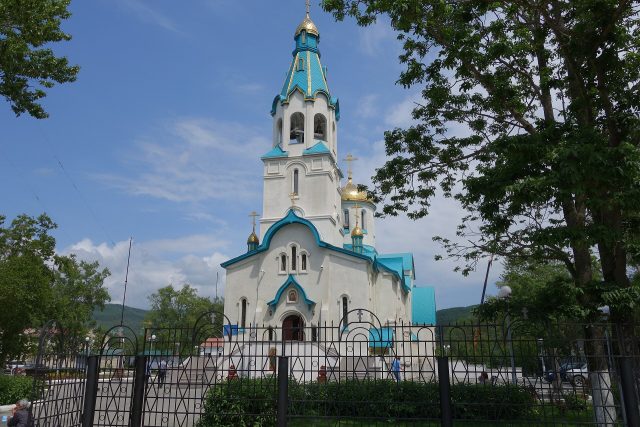
The Chekhov Sakhalin International Theatre Center stands in Yuzhno-Sakhalinsk, where the city’s cultural life gathers. It’s not just a building for performances—it’s where the audience steps into the story.
The architecture mixes modern lines with elements inspired by Sakhalin’s nature. Inside, you’ll find wide foyers, halls designed for comfort, and acoustics that carry every word clearly. The stage equipment meets professional standards, but the real focus is on the people who fill the space: performers, visitors, and those who come just to talk.
The center is named after Anton Chekhov, who traveled to Sakhalin in 1890. His book, The Island of Sakhalin, documented the lives of prisoners and settlers, bringing attention to the region. The theater continues this work by staging plays that explore the island’s past and present—its history, social challenges, and the experiences that connect people across time.
The repertoire includes classics from Russian and international literature, experimental productions, and works by local playwrights. Festivals bring in guest troupes, adding new voices and styles. This variety turns the theater into a place where different cultures meet.
Beyond performances, the center hosts lectures, workshops, and creative evenings. The foyer often displays exhibitions, and intermissions become a time for conversation. It’s a space that doesn’t just showcase art but makes it part of everyday life.
Young people here have few places to explore the arts. The theater’s youth studios offer classes in acting, directing, and stage design, giving teenagers a chance to try something new.
Sakhalin’s history is shaped by the Ainu, Russian settlers, and other communities. The theater reflects this by addressing themes that matter to the island—Indigenous heritage, migration, and what it means to live far from major centers. The plays often ask questions about identity and belonging, sparking discussions that go beyond the stage.
When you visit, you’re not just watching a performance. You’re seeing how the city lives, what its people care about, and how art helps make sense of it all.