- Home
- Poland
- Busko-Zdrój
- Busko-Zdrój Sanatorium
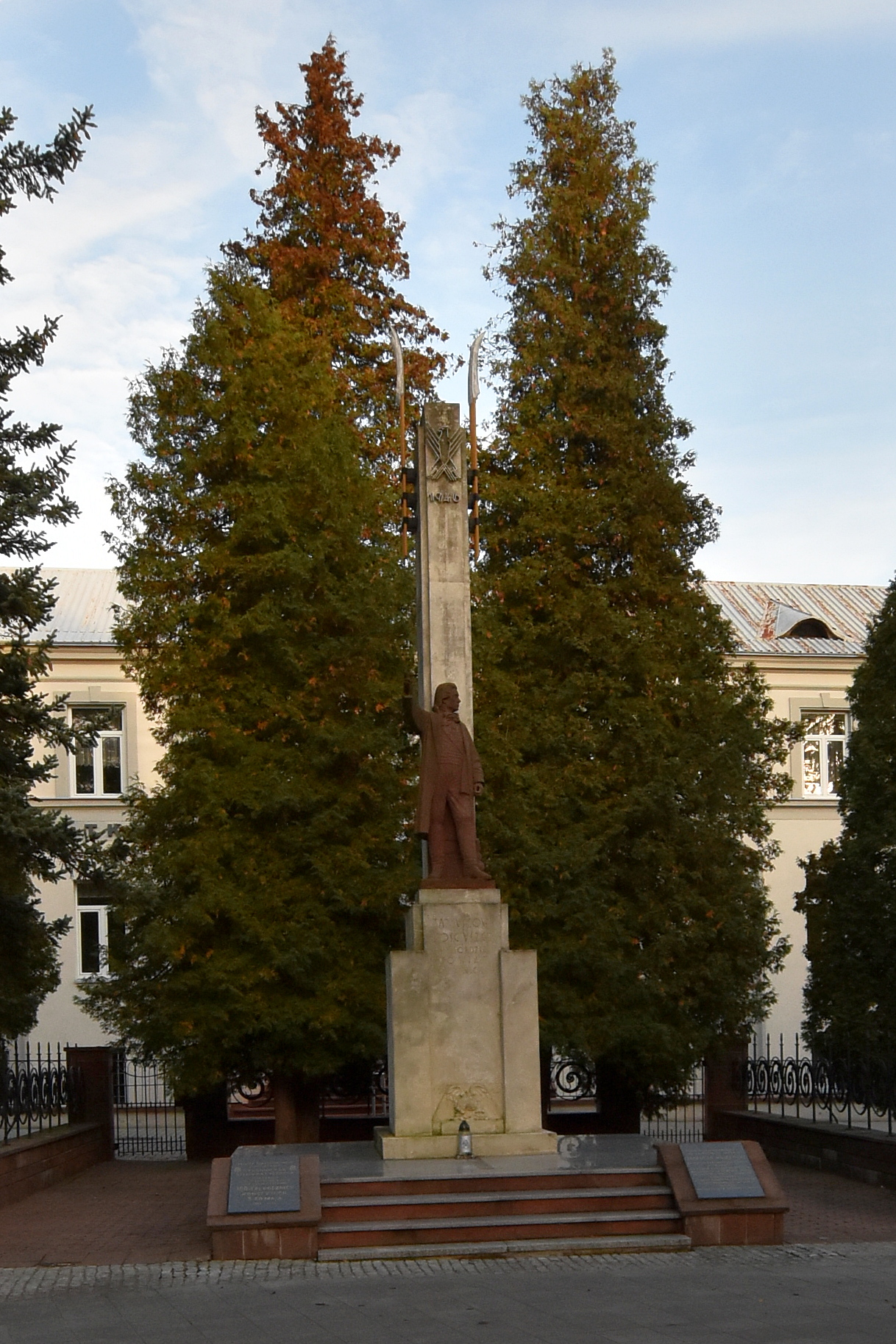
Photo: Henryk Bielamowicz, CC BY-SA 4.0
Busko-Zdrój Sanatorium
out of 5 0 ratingsBusko-Zdrój sits among the gentle hills of southern Poland, a town shaped by time and the healing properties of its mineral-rich waters. For over a century, it has been a refuge for those seeking relief from joint, skin, and circulatory ailments. The town’s reputation rests on the restorative powers of its natural springs.
The sanatorium’s history
The main building was constructed in the 1920s, when Busko-Zdrój attracted visitors from across Europe. Polish aristocrats and guests from Austria, Germany, and Russia came for health and the spa’s refined atmosphere. The architecture blends late Art Nouveau with neoclassical elements—tall windows, sweeping verandas, and stucco details on the facades. Inside, marble staircases, wood paneling, and crystal chandeliers remain from that era.
The treatments
The town’s waters, rich in sulfates, chlorides, and calcium, form the basis of its reputation. Patients receive mud wraps, mineral baths, physiotherapy, massage, and gentle exercise to ease chronic pain and improve mobility. But Busko-Zdrój also offers a retreat from modern life, where days follow a quiet rhythm of walks and treatments.
The park, laid out in the early 1900s, has winding paths beneath linden and chestnut trees. Small ponds and gazebos appear along the way. In summer, visitors stroll under the canopy; in winter, snow covers the landscape. Nearby, the old kurhaus now hosts exhibitions and cultural events.
From past to present
Busko-Zdrój’s history as a spa destination began in the 18th century, though its development as a therapeutic retreat started in the 19th. Under Austro-Hungarian rule, the first bathhouses and hotels appeared. After World War I, the town became one of Poland’s most prestigious health destinations.
The sanatorium today balances old and new. Modern wings meet current medical standards, while the original halls keep their early 20th-century character. There are no crowds—just treatment schedules and the crisp air of the countryside. For many, a stay here means stepping into a slower way of life.
Beyond the sanatorium, the town reflects its spa culture. Early 1900s villas and boarding houses still operate as guesthouses or private homes. The town is small enough to explore on foot in an afternoon. A few cafés serve local pastries, and shops sell regional products. The streets are quiet, interrupted only by church bells.
This is a place where time moves differently. There are no attractions or nightlife, just the quiet of a long walk or a book. The sanatorium, with its halls and waters, remains the town’s center—a reminder of when rest was valued. Whether you come for treatment or to wander its paths, Busko-Zdrój offers stillness and a chance to slow down.
Day around this place
Where else to go on the same day
Building the day…
Where it is
50.46759, 20.71919