- Home
- Poland
- Busko-Zdrój
- Busko-Zdrój Sanatorium Park
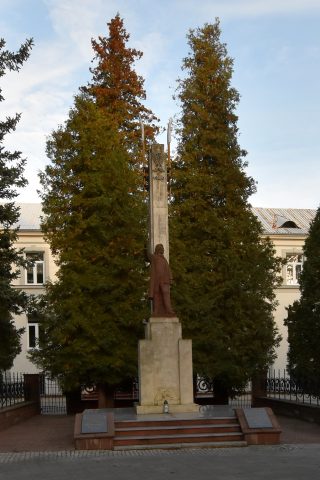
Photo: Wikimedia Commons, CC BY-SA 4.0
Busko-Zdrój Sanatorium Park
out of 5 0 ratingsBusko-Zdrój is one of those quiet Polish towns where time moves gently, away from the rush of bigger cities. On its outskirts sits the park of the town’s historic sanatorium, a place suspended between past and present. It isn’t grand or sprawling, but it carries quiet dignity, shaped by over a century of slow existence. Here, the air cools under old trees, and the only sounds are leaves rustling and water murmuring from small fountains.
The park’s story begins in the late 19th century, when Busko-Zdrój became a destination for those seeking rest and healing. The sanatorium was built around the town’s mineral-rich waters, and the park was designed as a space where patients could walk, breathe, and recover. The sanatorium buildings reflect the era’s tastes—restrained neoclassical lines with touches of Art Nouveau. They don’t dominate the landscape but settle into it, as if they’ve always belonged.
Wide gravel paths wind between trees, leading to benches or small ponds where ducks drift. In spring, chestnuts and magnolias bloom; in summer, the park offers cool refuge from the heat. Autumn turns leaves gold and crimson, and winter dusts benches with frost. Even bare trees hold a quiet charm.
The sanatorium still operates, treating joint and muscle conditions, nervous system disorders, and cardiovascular health. The mineral waters, drawn from springs used for generations, remain part of the therapy. Patients stroll the park as part of recovery, but it’s open to everyone—morning runners, afternoon coffee drinkers, or those who just want quiet.
Locals use the park daily. Weekends bring families for picnics, children playing near ponds, and young people posing for photos. Evenings grow quieter, footsteps the only sound.
Wrought-iron fences, old lampposts, and stone bridges over tiny streams feel like remnants of another time. The main sanatorium building, with its columns and stucco, stands as a monument to an era when such places were built with care. Inside, marble staircases, stained-glass windows, and antique furniture hint at past elegance.
Busko-Zdrój doesn’t draw crowds. The park offers something rare: a chance to step away from noise. No agenda, no must-see sights—just a bench, changing light through trees, and hours passing without hurry.
Over time, the park has become a stage for small cultural events—concerts, art exhibitions, poetry readings—that fit the surroundings without disrupting peace. For residents, it’s woven into memories: meeting friends, walking dogs, watching seasons change.
If you visit this part of Poland, stop by. The sanatorium park isn’t about grand gestures. It’s about quiet pleasure, a place that has settled into its own rhythm, where the past lingers and the present moves slowly. Just breathe, listen, and let the stillness settle.
Day around this place
Where else to go on the same day
Building the day…
Where it is
50.47068, 20.69863