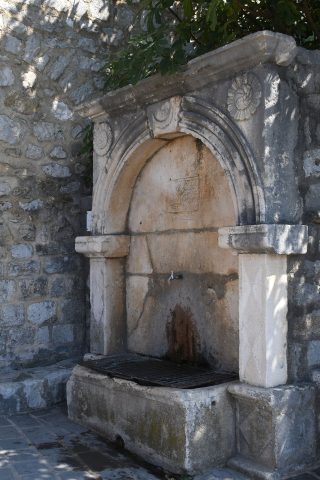
Ulcinj’s market is one of those rare places where time seems to soften, where the rhythm of city life slows just enough to let you notice the details. Tucked into the heart of the Old Town, it has stood for centuries, absorbing the stories of the many cultures that have passed through these streets. The narrow cobblestone alleys, the old houses with their wooden shutters, the arches leading into shaded courtyards—all of it carries the weight of history. Yet the market isn’t a museum piece. It’s a living, breathing space where locals and visitors alike gather to trade not just goods, but stories and conversations.
Ulcinj has always been a crossroads. In the Middle Ages, caravans laden with goods from Byzantium, Venice, and the Ottoman Empire passed through its gates, and the market grew as a natural extension of that trade. Salt, fish, olive oil, spices, fabrics, and handcrafted tools changed hands here, shaping the town’s identity. Over time, the goods evolved, but the essence remained the same—a place where people could find what they needed to live. Even now, walking between the stalls, you sense that continuity. Vendors offer fresh produce from nearby fields, smoked fish, local cheeses, honey, and olives that have been cultivated here for generations.
The market’s architecture blends seamlessly with the Old Town’s character. Stone counters, wooden awnings, and narrow passageways create a sense of intimacy, as if you’ve stepped into a world of its own. In the heat of summer, the shade from the awnings offers relief, while in the evening, the glow of lanterns casts a warm, almost magical light. There’s nothing grand or modern about it—just simple, functional beauty that serves a purpose. The stalls are practical, built to last, and their unpretentious charm is part of what makes the market feel so authentic.
More than just a place to shop, Ulcinj’s market is a cultural layer of the city. You’ll hear conversations in Montenegrin, Albanian, Serbian, and Italian, a reminder of the town’s diverse heritage. Locals stop to chat, catching up on news, while tourists wander, curious about the goods on display. Sometimes, an elderly vendor will share stories of the town’s past, and for a moment, time seems to stand still. These small interactions are what make the market special—they reveal Ulcinj as a living town, not just a tourist destination.
Handcrafted goods hold a special place here. Small shops display handmade ceramics, silver and coral jewelry, embroidered linens, and wooden carvings. Many of the artisans have worked here for decades, passing down their skills through generations. Their creations carry traces of local traditions—patterns, motifs, and techniques that have been refined over centuries. When you buy something from them, it’s not just a souvenir; it’s a piece of the town’s history.
The market has its own rhythm. Mornings start quietly, with deliveries of fresh produce—just-picked vegetables, still-warm bread, milk from nearby farms. By midday, the energy peaks as vendors call out to customers, haggle over prices, and swap stories. As evening falls, the crowds thin, but a few linger, drawn by the atmosphere. On weekends, the market is especially lively, with villagers arriving to sell their wares and townspeople coming to shop and socialize.
For visitors, the market offers a glimpse of Ulcinj beyond its tourist facade. There’s no forced hospitality or staged charm here—just the real, unfiltered life of the town. The scent of spices and fresh fish mingles with the sound of laughter and conversation. Children dart between stalls, while old photographs on the walls of the shops hint at the past. You could spend hours wandering, sampling local treats, and listening to the stories of the vendors. It’s easy to lose track of time, but in doing so, you feel like you’ve become part of something larger.
Ulcinj’s market is more than a landmark; it’s a piece of the town’s identity. It has weathered wars, political shifts, and economic changes, yet it has always remained a place where people come together. Today, it continues to serve that role, bridging the past and present. When you visit, you realize the market isn’t just about commerce—it’s a symbol of resilience, a thread connecting the town’s history to its future. That’s what makes Ulcinj what it is.