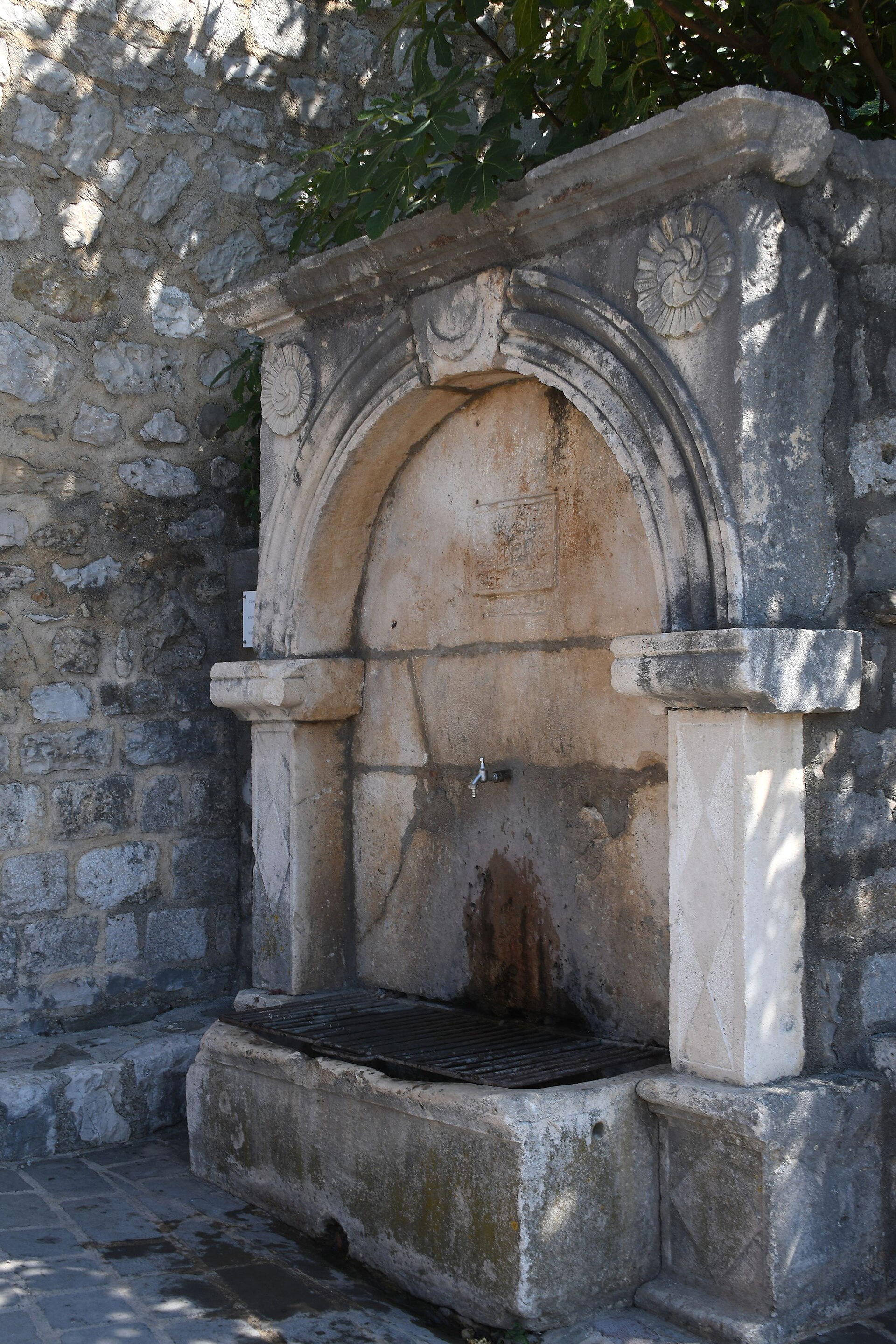
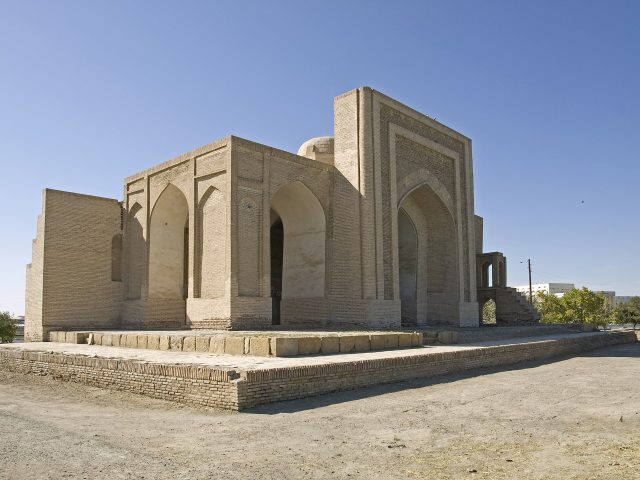
The Museum of Local History in Ulcinj is one of those rare places where the past doesn’t just sit behind glass—it lingers in the very air, woven into the walls and the quiet hum of the Old Town around it. Tucked among the narrow, stone-paved streets of this ancient coastal settlement, the museum occupies a building that is itself a piece of history. Once a residential home from the Ottoman era, its thick walls, high wooden-beamed ceilings, and arched windows still carry the echoes of merchants, craftsmen, and sailors who once lived here. The architecture alone tells a story of a place where time moves differently, where every corner seems to hold a memory.
Ulcinj has always been a city of layers, its identity shaped by the ebb and flow of empires, cultures, and peoples. The museum doesn’t just list dates and events; it tries to capture the way these influences intertwined along this stretch of the Adriatic. The exhibition begins with the earliest days, when Illyrian tribes roamed the land, followed by Greek and Roman settlers who turned Ulcinj into a bustling trading hub. Fragments of amphorae, coins, and mosaic pieces unearthed from local digs hint at the city’s role as a crossroads between the Mediterranean and the Balkans. These artifacts don’t just belong to the past—they feel like silent witnesses to centuries of commerce, conflict, and coexistence.
One of the most compelling sections of the museum is dedicated to the Ottoman period, which lasted nearly four hundred years. Here, everyday objects from that era—copper coffee pots, embroidered textiles, weapons, and jewelry—paint a picture of life under Ottoman rule. What makes this part of the exhibition particularly fascinating is how it reveals the city’s multicultural fabric. Ulcinj was never just one thing: it was a place where Muslim, Christian, and Jewish communities lived side by side. The museum touches on this diversity, especially the history of the Sephardic Jews who once formed one of the largest communities in the Balkans. Documents, photographs, and personal belongings offer glimpses into their lives, many of which were upended in the early 20th century when emigration reshaped the city’s social landscape.
No history of Ulcinj would be complete without its maritime past. The sea has always been the city’s lifeblood—its source of wealth, adventure, and sometimes danger. The museum dedicates space to this legacy, with models of old ships, navigational tools, and maps that trace the routes of Ulcinj’s sailors. There are also stories of the city’s infamous corsairs, privateers who once struck fear into Venetian and Ottoman vessels. These tales, embellished by time, add a layer of romance to the city’s history, hinting at a time when life here was as unpredictable as the waves. The exhibits don’t glorify piracy but instead show how the sea shaped the character of the place and the people who called it home.
A smaller section of the museum covers the more recent past, when Ulcinj was part of Yugoslavia. Black-and-white photographs, newspapers, and everyday objects from the mid-20th century offer a snapshot of a city in transition. This was a time when Ulcinj began to shed its identity as a quiet backwater and embrace its future as a tourist destination. The museum doesn’t sugarcoat this period—it simply presents the changes as they were, showing how traditions faded and new ways of life took hold. It’s a reminder that history isn’t just about grand events; it’s also about the small, personal shifts that reshape a community over time.
What makes this museum special isn’t its size—it’s intimate enough to explore in an hour or two—but the way it connects the past to the present. After wandering through its rooms, stepping back into the Old Town feels like stepping into another layer of the story. The same narrow streets, the same salty breeze, the same view of the sea from the fortress walls—it’s easy to imagine the lives that unfolded here centuries ago. The museum doesn’t claim to tell the whole story of Ulcinj, but it offers something just as valuable: a sense of the city’s complexity, its resilience, and the quiet persistence of its identity.
There’s no grand spectacle here, no flashy displays or interactive screens. Instead, the museum relies on the power of real objects—each with its own quiet tale to tell. For those who come to Montenegro looking for more than just beaches and resorts, this place is a quiet revelation. It doesn’t shout its importance; it simply invites you to listen, to look a little closer, and to walk away with a deeper understanding of what makes Ulcinj unlike anywhere else.