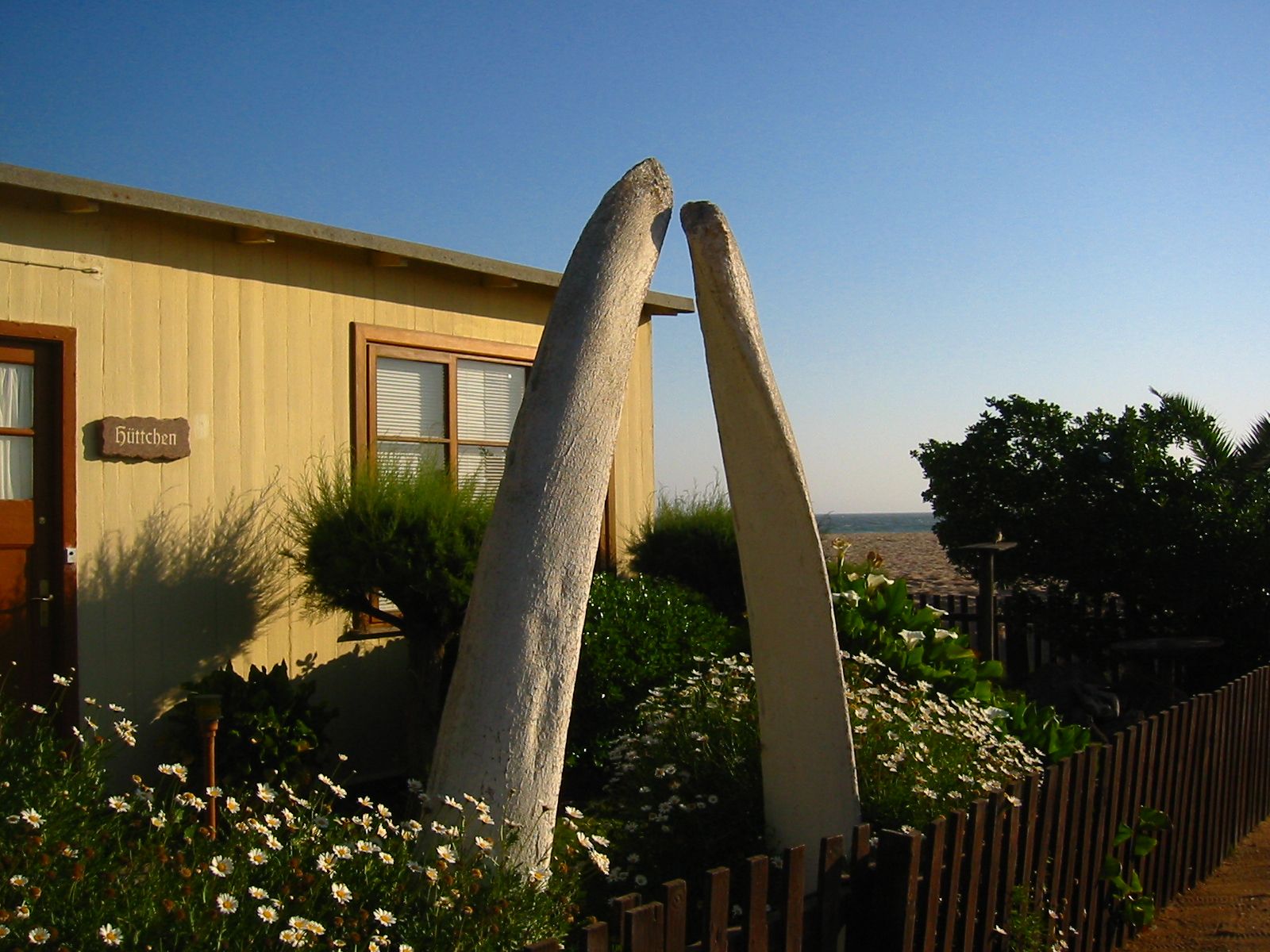
Swakopmund is a place where the desert meets the ocean, where the harsh beauty of Namibia’s landscapes softens into the gentle rhythm of the Atlantic coast. The air here carries the scent of salt and seafood, mingling with the faint traces of a colonial past that still lingers in the architecture and street names. But this is no museum piece—Swakopmund has long since absorbed its history, blending German influences with local traditions into something entirely its own. And at the heart of this town, where the old and the new coexist, lies a market that feels less like a tourist stop and more like a living extension of the city itself.
The Swakopmund Market sits in the center of town, on a square that once buzzed with the activity of a German colonial outpost. Today, it remains an open, unhurried space where trade and conversation flow together. There are no hard boundaries here—just stalls under shaded roofs, where vendors chat quietly among themselves while shoppers browse at their own pace. Tourists often pause, trying to pinpoint what makes this place different from other markets. Perhaps it’s the way it feels like a natural part of the town’s daily life, shifting and evolving just as Swakopmund does.
The market is best known for its seafood, pulled fresh from the cold waters of the Benguela Current. Fish, prawns, oysters, and lobsters arrive early in the morning, and by midday, the air is thick with the smell of grilled tuna, smoked fish, and spices. For locals, these aren’t delicacies but staples, prepared with the kind of skill that comes from generations of living by the sea. Nearby, stalls offer fruits from the country’s interior—sweet mangoes, tart marula, and other produce that might be unfamiliar to outsiders. The names of some fruits are known only to those who’ve grown up with them, adding to the market’s sense of authenticity.
But the market isn’t just about food. It’s also a place where traditional crafts find their way into the hands of visitors. Women from the Herero community sell vibrant fabrics, their bold patterns used for dresses and headpieces shaped like cattle horns—a symbol of wealth and status. Nearby, artisans from the Ovambo people display intricately carved wooden animals, while others offer jewelry made from semiprecious stones mined in the desert. These aren’t just souvenirs; they’re pieces of Namibia’s cultural heritage, each with a story tied to the land and its people.
Spices and herbs hold a special place here, too. Namibia’s varied climate means that different regions produce unique plants used in cooking and medicine. Dried bushman’s tea leaves, spice blends for game meats like oryx or kudu, and other local ingredients line the stalls. Vendors are often happy to explain how to use them, sharing recipes for traditional dishes that blend African flavors with European techniques. For many visitors, this is their first real taste of Namibian cuisine—a mix of influences that reflects the country’s complex history.
The market’s rhythm changes throughout the day. Mornings are busy, with fishermen unloading their catch and traders setting up their stalls. By midday, the pace slows, as people linger over cold drinks or coffee, watching the world go by. On weekends, families gather here, filling the square with laughter and conversation. As evening falls and the sun dips below the ocean horizon, the market gradually winds down, though its lights stay on long into the night, a quiet reminder that life in Swakopmund doesn’t stop when the tourists leave.
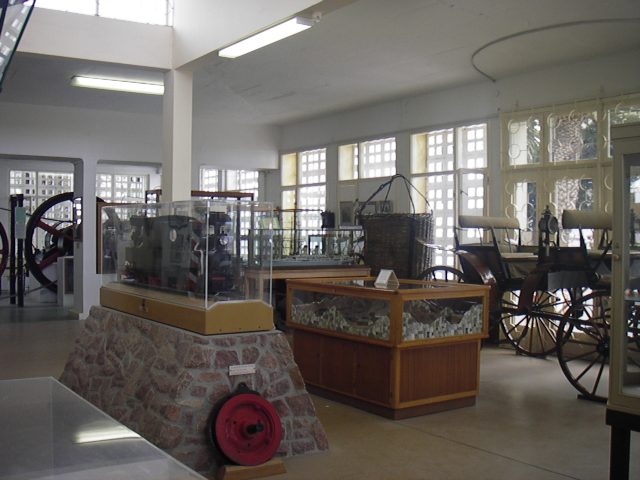
The market’s history is intertwined with that of the town itself. Founded in the late 19th century as a German colonial port, Swakopmund was a place where settlers and locals first interacted, and the market was at the center of that exchange. Over time, it grew from a simple trading post into a social hub, shaping the town’s identity. Today, you can still see traces of different eras—old wooden counters standing alongside modern stalls, traditional goods next to imported items. It’s a place where the past and present coexist, much like the town itself.
For visitors, the market offers a chance to experience Swakopmund beyond its postcard-perfect sights. There are no scripted tours or pushy guides here—just the natural flow of daily life. You can wander between stalls, listening to snippets of conversation in German, English, Afrikaans, or Herero, and get a sense of how this town has become a meeting point for different cultures. It’s not about checking off a list of attractions; it’s about stepping into the rhythm of the place.
In recent years, the market has also become a space for local artists and musicians. Occasionally, small concerts or exhibitions take place here, showcasing traditional music or the work of Namibian craftspeople. These events add another layer to the market, turning it into more than just a place to buy and sell. It’s a spot where creativity finds its voice, where the town’s cultural life spills out into the open.
There’s something about the Swakopmund Market that resists easy description. It’s not just the sights or the sounds—though the scent of grilled fish and spices, the laughter of vendors, and the way the sunlight glints off the ocean in the distance all play their part. It’s the way time seems to move differently here, as if the market has its own pace, separate from the rest of the world. And for those who visit, even briefly, it’s a place that lingers in the memory long after they’ve left. That’s why people return—not just for the goods, but for the feeling of being part of something real.