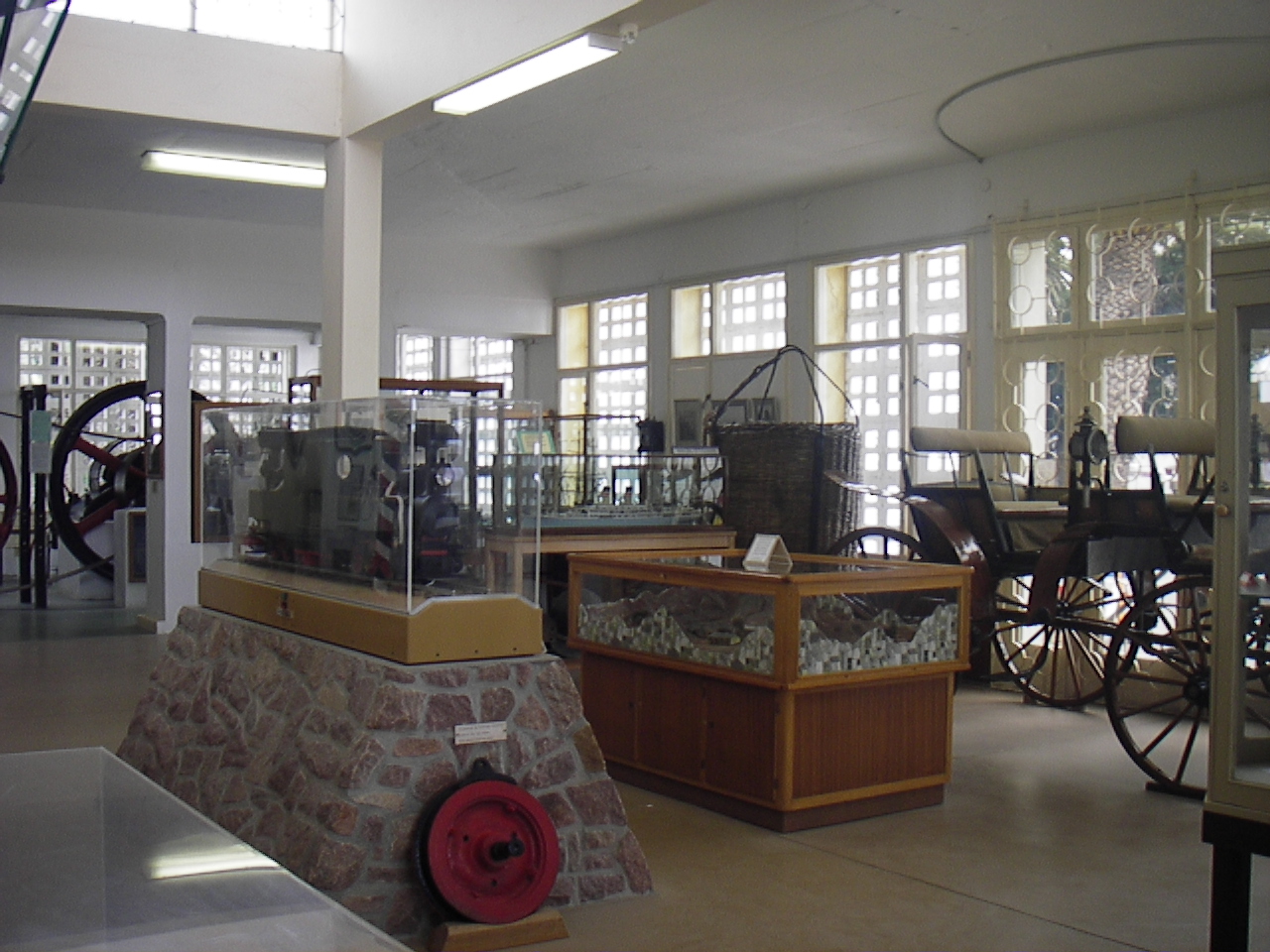
Swakopmund Museum isn’t the kind of place where history is locked behind glass cases or recited in dry timelines. It feels more like stepping into a quiet conversation the town has been having with itself for over a century. The building itself, with its high ceilings and creaking wooden floors, is part of the story—built in the early 1900s when Namibia was still German South West Africa, it carries the weight of that era in its architecture. The scent of aged paper and polished wood lingers in the air, and the way the light filters through the large windows makes even the dust motes seem like part of the exhibit.
The museum’s collection isn’t just about dates and names; it’s about the people who shaped this corner of the world. You’ll find traces of the first settlers who arrived here hoping for a better life, carving out existence in a place where water was scarce and survival never guaranteed. The exhibits show how German colonists tried to impose order on a landscape that refused to be tamed, while local communities navigated the collision of their traditions with foreign ways. What emerges isn’t a neat narrative but something messier and more human—the slow, uneven process of adaptation and change.
One section is devoted to Swakopmund’s relationship with the ocean, which has always been both a provider and a threat. The town was never meant to be a major port, but that didn’t stop people from trying. Models of old ships, fishing tools, and photographs of storms that wrecked ambitions tell a story of resilience and folly. The Atlantic here isn’t just a backdrop; it’s an active force, shaping lives in ways that were sometimes generous, sometimes cruel.
The desert, too, has its own room in the museum. The Namib isn’t portrayed as a hostile wasteland but as a landscape that demanded respect and ingenuity. Traditional shelters, tools, and clothing show how people learned to live with the sand, the heat, and the rare rain. The exhibits don’t romanticize survival—they simply present it as it was, a daily negotiation between human needs and an environment that didn’t care much for them.
Later chapters of Namibia’s history are also here, including the struggle for independence and the years that followed. The museum doesn’t offer a polished version of events but rather fragments—objects, documents, and images that hint at the disorientation and hope of a country remaking itself. It’s a reminder that history isn’t just something that happened to people; it’s something they actively shaped, even when the odds were against them.
Temporary exhibitions come and go, often featuring local artists or themes that connect to broader Namibian culture. They might not always tie directly to Swakopmund’s past, but they add layers to the story, showing how the town fits into a larger context. Sometimes the displays feel personal, like a painter’s interpretation of the desert light or a photographer’s take on the ocean’s moods.
A visit here doesn’t take long, but it lingers. There’s no rush to leave, no sense that you’ve checked off another tourist stop. The museum doesn’t overwhelm with facts or grand narratives; instead, it invites you to sit with the quiet weight of the past. Swakopmund isn’t just a dot on a map—it’s a place where the desert, the ocean, and human lives have tangled for generations. And this museum is one of the few places where you can still hear the echoes of that.