Black Rocks Market is one of those quiet corners of Mauritius where time moves to the rhythm of the ocean and the changing seasons. Tucked away in a small coastal village of the same name, far from the island’s busier resorts and well-trodden tourist trails, it feels like a place that has resisted the rush of modern life. There are no crowds here, no pushy vendors, no carefully staged experiences—just locals going about their day, picking up fresh fish, produce, and everyday goods, along with the occasional traveler who stumbles upon it by chance or curiosity. Unlike the vibrant, sensory-overload markets found in other parts of the world, this one is unassuming, almost understated. Yet that’s precisely what makes it feel real.
The market’s origins trace back to when Black Rocks was little more than a fishing village, a place where the sea wasn’t just a livelihood but a way of life. Mauritius has always been shaped by the ocean, and fishing here is more than an occupation—it’s part of the island’s identity. The market grew naturally, as a place where fishermen sold their catch and farmers from nearby plantations brought their harvest. Over time, it became more than just a trading post; it turned into a gathering spot where people exchanged news, shared stories, and caught up with neighbors. Today, the stalls still sell fish, but alongside it, you’ll find spices, homemade sweets, and simple handcrafted souvenirs.
There’s nothing grand about the market’s architecture. It’s not a grand building or a tourist attraction designed to impress, but a collection of open-air pavilions and shaded stalls that offer shelter from the sun and rain. Wooden counters, woven baskets, sacks of rice and beans—everything looks as if it has always been this way. Coconut palms sway in the breeze, and the air carries the faint scent of salt and fresh greens. It’s not polished or glamorous, but that’s part of its charm. For those tired of the manicured perfection of resort towns, this place offers something far more genuine.
Mornings at the market start early. By six, vendors have already set up their goods, and fishermen lay out their catch of the day—tuna, dorado, sea bass—still glistening from the ocean. Local women arrive with baskets, carefully selecting the best pieces for their meals, while visitors wander the stalls, eyeing unfamiliar fish and asking questions. The sellers are happy to explain how to prepare a dish or share a quick recipe, offering a taste of Mauritian home cooking. By midday, the market begins to quiet down, as most of the trading happens in the cooler hours before the heat sets in.
Beyond fish and produce, the market offers a few other local goods. You might find vanilla, cinnamon, and other spices that Mauritius exports worldwide, along with simple souvenirs like woven baskets, shell jewelry, or paintings by local artists. But what really draws people here isn’t the shopping—it’s the atmosphere. There’s no forced hospitality, no pressure to buy or perform for tourists. People are just living their lives, and for a little while, you get to be part of it.
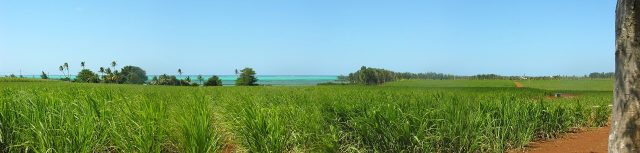
Black Rocks itself is a village with a distinct character. Located on Mauritius’ eastern coast, where the ocean is wilder and the beaches are untouched, it feels like a place where nature still sets the rules. The sea here is unpredictable—calm one moment, fierce the next—and the market seems to reflect that duality. On the surface, it’s modest and unremarkable, but beneath that lies a quiet energy, a pulse of daily life. If you wander through the village after visiting the market, you’ll see old fishing boats pulled up on the sand, brightly painted houses with weathered shutters, and children playing near the shore.
For those who want to see Mauritius beyond its beaches and resorts, Black Rocks Market is a good place to start. There are no luxury hotels or oceanfront restaurants here, just a chance to experience the island as locals do. You can stop by a small café near the market, order a strong cup of coffee and a fresh tuna sandwich, then take a walk along the shore, watching fishermen mend their nets or prepare their boats for the next trip out to sea.
This isn’t the kind of place you plan a trip around. Most people discover it by accident, taking a wrong turn on the narrow roads of the east coast or deciding to explore off the beaten path. But those are often the places that stay with you the longest. There’s nothing extraordinary about Black Rocks Market—no grand sights, no must-see attractions. What it offers instead is something rarer: a sense of authenticity, a moment where you can step outside the tourist bubble and feel the island’s real rhythm. Sometimes, that’s enough.