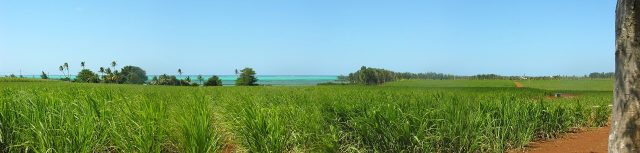
Bras d’Eau National Park is one of those quiet corners of Mauritius that most visitors overlook, though its landscapes are just as striking as those in the island’s more famous reserves. Tucked away in the northeast, not far from the village of Roches Noires, the park sits on land that was once a sprawling sugar cane plantation. The traces of that past are still visible—rusted rails, crumbling stone walls, and the occasional overgrown path hint at the generations of labor that shaped this place. Today, the forest has reclaimed much of the land, but the quiet here carries a sense of history, as if the earth itself remembers what came before.
The park is small by national park standards, but that only makes it more intimate. A few hours is enough to explore its main trails, where the air is thick with the scent of damp earth and the calls of birds. There are no dangerous animals here—Mauritius has always been safe in that regard—but the wildlife is no less fascinating. Endemic species like the Mauritius parakeet and the pink pigeon, both rare in the wild, can sometimes be spotted among the trees. Bats hang from the branches at dusk, and geckos sun themselves on bark, moving only when disturbed. The landscape shifts from dense, humid forest to dry thickets and even small wetlands, where waterbirds nest in the reeds.
One of the most peaceful spots in the park is the edge of the lagoon, where mangroves twist their roots into the water like something out of a dream. The surface is still, broken only by the occasional ripple from a passing fish or the distant call of a heron. Locals sometimes stop here to rest, but tourists are rare. Most who come are hikers or photographers looking for solitude, and the park rewards them with a sense of timelessness. It’s easy to lose track of the hours when the only sounds are the wind in the leaves and the distant crash of waves beyond the trees.
The history of Bras d’Eau is tied to Mauritius’ sugar industry, which dominated the island’s economy for centuries. In the 18th and 19th centuries, this land was part of vast plantations worked by enslaved people brought from Africa and India. Even after slavery was abolished, sugar remained the backbone of the island’s wealth, and the fields here were tended by laborers long after the old ways had faded. When global demand for sugar declined in the mid-20th century, many plantations were abandoned, and nature slowly took over. Now, the only reminders of that era are the skeletal remains of narrow-gauge railway tracks and the occasional ruin, half-swallowed by the forest.
There are no grand monuments here, no restored buildings or manicured gardens. Instead, the park feels like an open-air museum of nature’s resilience. Trees grow through cracks in old stone walls, and paths that once carried carts of cane now lead walkers deeper into the woods. After a rain, the air is thick with the smell of wet earth, and the leaves glisten as if the forest itself is breathing. It’s a place where the past isn’t just remembered—it’s still present, woven into the landscape.
For those who enjoy walking, Bras d’Eau offers a few well-marked trails. The most popular leads to a small hilltop viewpoint, where the lagoon stretches out below, framed by trees. The climb isn’t difficult, but the path can be slippery, especially after rain, so sturdy shoes are a good idea. There are easier routes, too, like the one along the shore, where families can watch birds and listen to the quiet lap of water. The park isn’t crowded, so even on busier days, it’s easy to find a moment alone.
There are no shops, cafes, or visitor centers here, so it’s best to come prepared. A bottle of water, a snack, and some insect repellent are all you’ll need. Entry is free, and there are no set hours, but it’s wise to arrive while there’s still daylight. Locals sometimes picnic under the trees, but for the most part, the park remains a place for those who want to escape the noise of resorts and beaches. It’s not a destination for thrill-seekers or those looking for entertainment—just a quiet stretch of land where the only show is the one nature puts on.
What makes Bras d’Eau special is its sense of stillness. There are no crowds, no guided tours, no attractions vying for attention. Instead, there’s the chance to see Mauritius as it once was—wild, unhurried, and a little mysterious. The park is a reminder that even on an island as small as this, there are places where nature sets the pace, and humans are just passing through. For anyone tired of the usual tourist spots, it offers something rare: a quiet corner of the world where the past and present exist side by side.