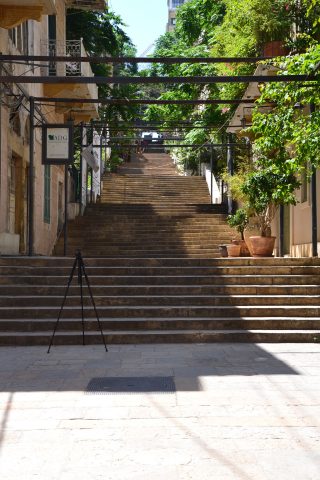
Rachaya is one of those places that doesn’t announce itself. Tucked away in Lebanon’s southeastern corner, near the Syrian border, it feels far removed from the country’s more famous destinations. There are no crowded beaches or high-rise hotels here, no tour buses unloading groups of visitors. Instead, the town moves at its own quiet pace, surrounded by forested mountains and a rhythm of life that hasn’t changed much in generations. At its heart is the old market, a place that has been the pulse of Rachaya for centuries.
The market sits in the historic center, where narrow stone-paved alleys wind between buildings made of local limestone. The warm, golden hue of the walls catches the light in the late afternoon, softening the edges of the town. Many of the structures still bear the marks of Ottoman architecture—tall arches, intricately carved wooden balconies, and hidden courtyards that offer glimpses into private lives. Walking through these streets feels like stepping into a slower, more deliberate world, where the past isn’t just preserved but still very much alive.
Unlike modern shopping districts with their polished displays and uniform storefronts, Rachaya’s market is unapologetically real. Stalls overflow with fresh produce brought in from nearby farms, while piles of spices release their fragrance into the air. The scent of freshly baked bread mingles with the chatter of vendors calling out to customers. Dried fruits, nuts, and honey are everywhere—Lebanon is known for these, and Rachaya is no exception. There’s no rush here; you can wander for hours, sampling what’s offered, listening to the easy banter between sellers and regulars.
The market’s history stretches back to the Ottoman era, when Rachaya was a key stop on the trade routes connecting Damascus and Beirut. Caravans carrying goods from Syria, Arabia, and even India would pass through, turning the town into a crossroads of commerce and culture. Over time, the market evolved from a simple trading post into the social hub of the community. It was where deals were struck, disputes settled, and news shared over cups of strong coffee. Even today, the market retains that role, a place where the town gathers not just to buy and sell but to connect.
Some of the buildings here date back to the 19th century, their walls bearing witness to generations of traders. The most striking remnant of the past is the old caravanserai, once a resting place for travelers. Though partly in ruins, its massive stone walls and vaulted ceilings still command attention. Nearby stands an ancient mosque, its minaret rising above the rooftops, a quiet reminder of the town’s layered history. Rachaya has always been a place where different cultures and faiths coexisted, and the market reflects that diversity in its architecture and atmosphere.
Weekends bring the market to life in a different way. On Saturdays, villagers from the surrounding areas flock to Rachaya, filling the streets with energy. The air is thick with the smell of grilled meat, fresh pastries, and cardamom-spiced coffee. Stalls sell everything from handmade ceramics and embroidered tablecloths to copper coffee pots and, occasionally, old coins or trinkets from another era. The market isn’t just a place to shop—it’s a living museum of everyday life, where traditions haven’t been polished for tourists but continue as they always have.
What makes Rachaya’s market special is its authenticity. There are no staged performances or curated experiences here. Instead, you’ll see elderly men playing backgammon in a corner café, women in traditional dresses haggling over prices, and children darting between stalls, helping their parents or sneaking a taste of something sweet. The market is a microcosm of the town itself—unpretentious, warm, and deeply rooted in its own way of doing things. It’s the kind of place where you can sit at a small table with a cup of thick, dark coffee and watch the world go by, undisturbed.
Rachaya won’t be found on most tourist itineraries. There are no luxury resorts or trendy nightlife spots here, no beaches or grand monuments. But that’s precisely why it feels so genuine. For those willing to venture off the well-trodden path, the town offers a glimpse of Lebanon that’s rarely seen in guidebooks—a place where life unfolds at its own pace, where the past isn’t just remembered but still shapes the present. The market is the perfect introduction to this side of the country, a place where history and daily life intertwine effortlessly.
If you ever find yourself in this part of Lebanon, take the time to stop. Walk through the market, try a piece of fresh baklava or a handful of roasted nuts, and let the rhythm of the place settle over you. There’s no need to rush. Rachaya isn’t going anywhere, and neither is its market. It’s been here for centuries, and it will still be here long after the day’s visitors have gone, carrying on as it always has—quietly, steadily, and with a warmth that lingers.