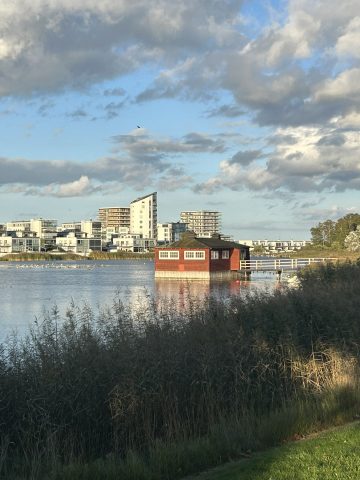
Kvarnholmen Market in Kalmar is one of those places where the past lingers in the most unassuming ways. Tucked away on a small island in the heart of the old town, it feels like a quiet corner of the city where time moves at its own pace. The island itself, known as Kvarnholmen or Mill Island, carries its history in its name—centuries ago, windmills stood here, grinding grain for the town. Though the mills are long gone, their presence still lingers in the cobblestone streets and the low, red-brown buildings that line the market square. The architecture is simple but telling: wooden beams, tiled roofs, and large windows that let in the soft, diffused light of the north.
The market doesn’t operate every day, but when it does—usually on weekends—it transforms the island into a lively hub of local life. Farmers from the surrounding countryside, artisans, and small producers gather here, filling the stalls with goods that reflect the region’s character. You’ll find fresh vegetables and fruits grown in the fertile soils of Småland, homemade cheeses, smoked meats, and jars of honey and jam. The local delicacies stand out: smoked salmon, venison, game, and traditional Swedish sweets like marzipan figures or cinnamon-spiced gingerbread. In summer, wildflowers appear in bunches, while autumn brings baskets of mushrooms and berries foraged from nearby forests.
But Kvarnholmen isn’t just about food. It’s also a place where craftsmanship takes center stage. Potters, weavers, woodworkers, and jewelers set up their stalls, often working right there in front of visitors. You might watch a potter shape clay on a wheel or see a silversmith polish a piece of Baltic amber into a brooch. These moments turn a simple market visit into something more—a glimpse into the traditions that have shaped the region. The artisans here aren’t just selling goods; they’re sharing a piece of their world, and that makes the experience feel personal.
What sets Kvarnholmen apart is its lack of pretense. There’s no touristy hustle, no aggressive sales pitches, just a quiet rhythm that feels authentically Swedish. Mornings are especially peaceful, with locals browsing the stalls at a leisurely pace—elderly residents picking out groceries for the week, young parents stopping for fresh pastries, or students grabbing a coffee and a cinnamon bun. In the warmer months, live music often drifts through the square, with local musicians playing jazz, folk, or classical tunes. The atmosphere is relaxed, almost like being invited into someone’s home.
Just a short walk from the market lies the old harbor, where the view opens up to the Kalmar Strait and the island of Öland. On clear days, you can make out the silhouette of Borgholm Castle, one of Sweden’s most famous fortresses. The harbor itself is a quiet place, with small fishing boats bobbing in the water and the occasional vendor selling fresh catch straight from the deck. If you’re lucky, you might see fishermen mending nets or cleaning their daily haul. The water is calm, reflecting the old buildings along the shore, and the whole scene feels like a postcard come to life.
Winter changes Kvarnholmen in the most charming way. Snow dusts the rooftops and cobblestones, and the market takes on a festive air. Stalls sell glögg (mulled wine), gingerbread cookies, and traditional Swedish Christmas treats. Despite the cold, the atmosphere is warm, with locals gathering not just to shop but to catch up with friends or simply enjoy the season. The winter market is a reminder that even in the darkest months, life in Kalmar carries on, cozy and unhurried.
The island’s history is woven into the fabric of the city. In the Middle Ages, Kalmar was one of Sweden’s most important trading hubs, and Kvarnholmen served as its food supply center. Grain, salt, fish, and other goods were stored here before being shipped across the region and beyond. Over time, the island’s role evolved, but it never lost its connection to the past. Some of the old warehouses have been repurposed into cafés and small shops, blending history with modern life in a way that feels natural. You can still sense the island’s old purpose in the thick stone walls and heavy wooden doors of these buildings.
Kvarnholmen isn’t the kind of place that draws crowds with grand attractions or Instagram-worthy backdrops. There are no world-famous museums or awe-inspiring monuments here. Instead, it offers something quieter: a sense of real Sweden, where life moves at a slower pace. The market is a place where the small details matter—the scent of freshly baked bread, the way a vendor remembers your name, the way the light filters through the trees in the square. It’s the kind of spot you visit not for spectacle, but for the feeling of stepping into a moment that’s been unfolding for centuries. And that’s why people keep coming back.