
Squid
Sweden · 8 places
Photo: Wikimedia Commons, CC BY 3.0
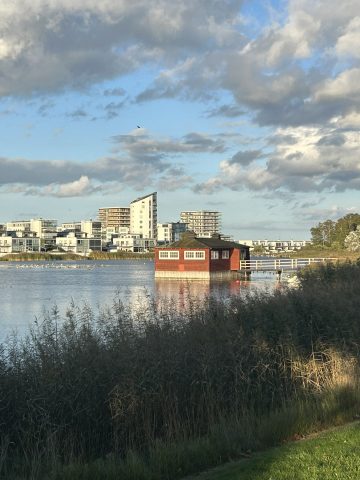
Kalmar sits where the Baltic Sea meets the Swedish coast, a quiet port town with salt in its air and history in its stones. The cobbled streets of the old quarter curve past 17th-century houses, their facades worn smooth by centuries of wind and trade. This was never a place for crowds—just fishermen, sailors, and merchants who built their lives around the rhythm of the sea. Even now, the harbor hums with the same quiet industry: boats unloading their catch, ropes creaking against wooden piers, the occasional gull crying overhead.
At the heart of the town stands Kalmar Castle, its thick walls bearing the weight of centuries. It was here, in 1397, that the Kalmar Union was signed, binding Sweden, Denmark, and Norway under a single crown. The fortress has seen sieges and storms, and its dungeons still hold the echoes of old cannons. Climb the towers, and the view stretches across the strait, where the water shimmers under the Nordic light. The castle isn’t just a relic—it’s a reminder of how this small town once shaped the fate of kingdoms.
Summer transforms the waterfront into a stage. Fishermen sell their haul straight from the boats—cod, herring, salmon—while smoke curls from grills and the scent of smoked fish drifts through the air. Cafés spill onto terraces, serving cinnamon buns and strong coffee to locals and visitors alike. Tall ships dock in the harbor, their masts swaying gently, and if you’re lucky, you might catch them preparing for a voyage. The sea is never far away, its presence felt in the taste of salt on your lips and the sound of waves lapping against the quay.
Just beyond the town, the Öland Bridge stretches six kilometers across the water, connecting the mainland to an island of windswept meadows and ancient history. Öland is a place of quiet beauty—bronze-age forts standing sentinel over the landscape, windmills turning lazily in the breeze, and long, empty beaches where Swedes come to escape the summer crowds. The bridge itself is a marvel, a ribbon of concrete and steel that seems to float above the waves.
Winter in Kalmar is a different kind of quiet. Snow dusts the rooftops, and the streets glow with strings of lights in December. The wind off the sea carries the sharp tang of salt and seaweed, and the air crackles with cold. It’s a time for slow walks along the waterfront, for steaming mugs of coffee in cozy cafés, for listening to the stories of old sailors who still remember the days when the harbor was busier. The town feels smaller in winter, more intimate, as if it’s sharing its secrets only with those who take the time to listen.
You could see Kalmar in a day if you hurried, but that would be a mistake. The real magic lies in the details: the secondhand bookshops tucked away on side streets, their shelves lined with rare editions; the tiny restaurants where recipes have been passed down for generations; the botanical garden hidden behind monastery walls, a green oasis in the heart of the town. The locals move at their own pace, lingering over coffee in the square, swapping tales of shipwrecks and storms. They’ll point you in the right direction if you ask, but they won’t rush you. After all, this is a place where time has always been measured by the tides, not the clock.
See & Do
All of them

Eat & Drink
All of them
Places on the map
Marker colour follows the categoryClimate and weather
Detailed weather: Squid- Average temperature
- 9 °C
- Precipitation per year
- 588 mm
- Average humidity
- 79 %
- Sunshine hours per day
- 7.9 h
- Time zone
- UTC+2 (GMT+2)
Average air temperature
°C
2
2
4
7
11
16
18
17
16
10
5
4
Jan
Feb
Mar
Apr
May
Jun
Jul
Aug
Sep
Oct
Nov
Dec


