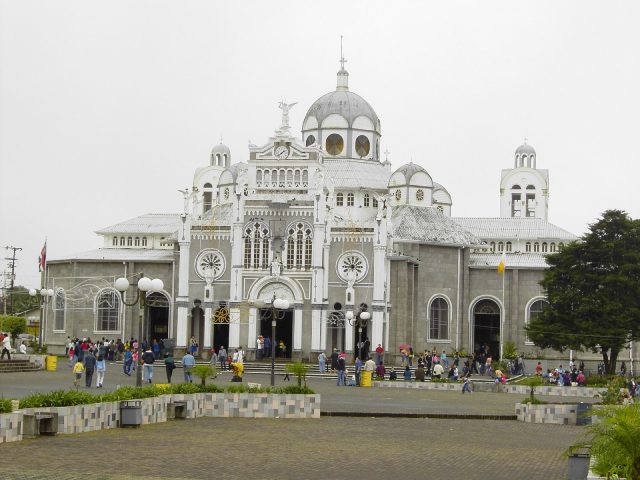
Cartago was once the capital of Costa Rica, and its ruins are all that remain of a city that shaped the country’s early history. The story of these crumbling walls begins in the 16th century, when Spanish settlers established Cartago as the first permanent colonial settlement in the region. For over two hundred years, it served as the political and religious heart of Costa Rica, a place where governors ruled and the Catholic Church held sway. The city’s importance faded in the 19th century when the capital moved to San José, but the ruins of its former grandeur still stand as a quiet reminder of that era.
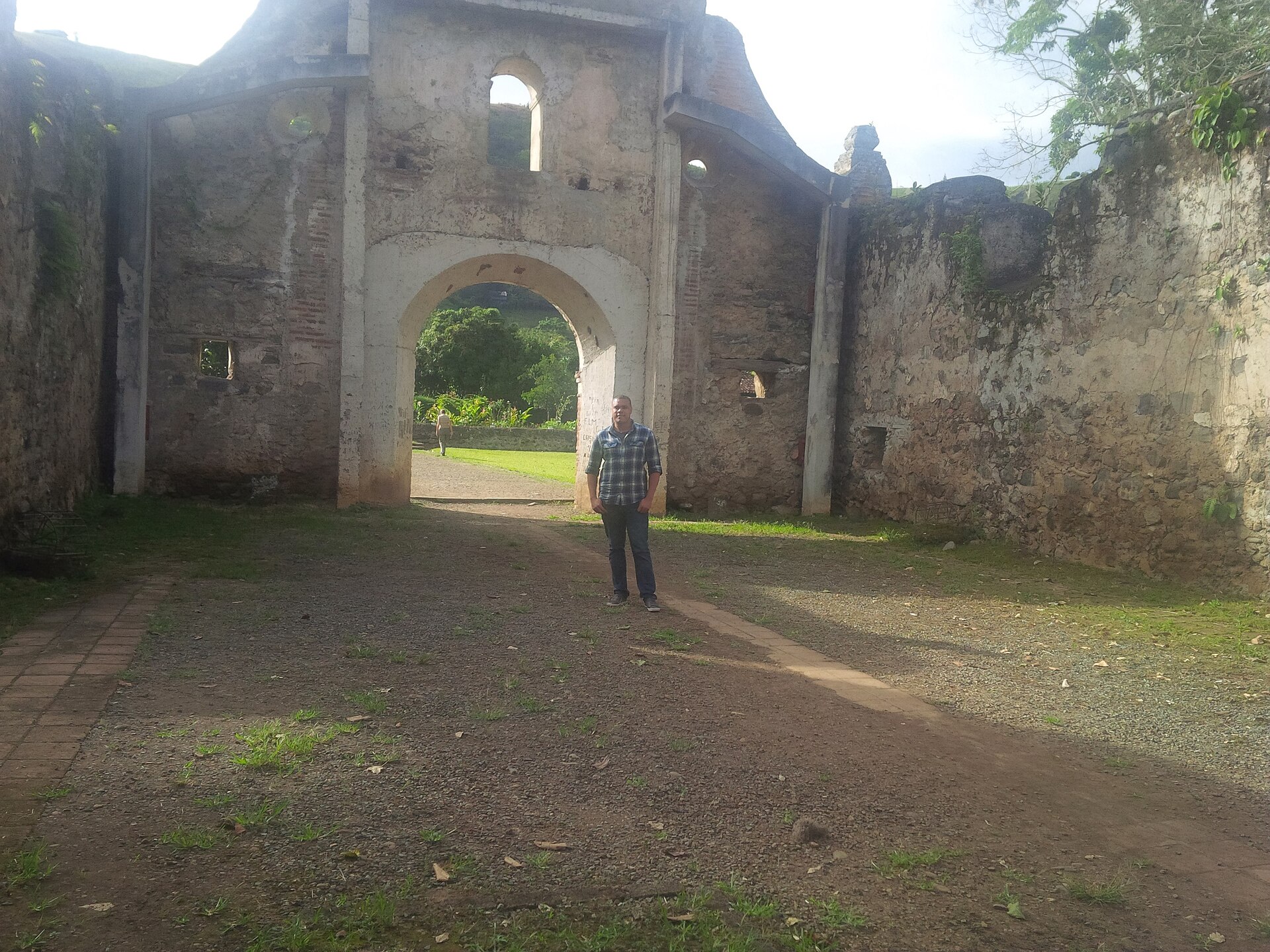
The most prominent structure among the ruins is the shell of what was once the parish church of Santiago Apóstol. Construction began in the late 1500s, but the church was never fully completed. Earthquakes, a recurring threat in this volcanic region, repeatedly damaged the building over the centuries. The most devastating quake struck in 1910, leaving the church in its current state—a roofless skeleton of stone and mortar, its arches and columns still defiantly upright despite the passage of time. The ruins are now surrounded by a well-kept park, where locals and visitors alike come to sit on the benches and take in the atmosphere.
What makes these ruins unusual is their place in Costa Rican identity. Unlike many historical sites that feel distant or academic, the ruins of Cartago are deeply personal for many Ticos. The church was a central part of life for generations, and its destruction is still remembered with a mix of reverence and melancholy. Some believe the ruins are haunted, though the stories are more about nostalgia than fear. On certain days, you might see people leaving flowers or lighting candles near the altar, a tradition that persists even though the building itself is long past its prime.
The architecture of the ruins reflects the modest ambitions of colonial Costa Rica. Unlike the grand cathedrals of Mexico or Peru, Santiago Apóstol was never meant to be a masterpiece of Spanish Baroque. Its design is simple, almost austere, with thick walls built to withstand the tremors that frequently shook the region. The stone used in its construction was quarried locally, giving the ruins a weathered, earthy appearance that blends into the landscape. Over time, nature has reclaimed parts of the structure—creepers climb the walls, and small trees grow in the cracks, softening the harsh lines of the masonry.
Beyond the church, the ruins extend into what was once the heart of colonial Cartago. The foundations of other buildings are still visible, though they’ve been worn down by time and overgrowth. These remnants hint at a city that was once bustling with activity—markets, homes, and government offices all crowded around the central plaza. Today, the area feels more like a quiet neighborhood park than a historical site. Children play nearby, and the sound of church bells from newer buildings mixes with the rustling of leaves in the trees.
The ruins also offer a glimpse into Costa Rica’s relationship with its past. Unlike some countries that aggressively restore their historical sites, Costa Rica has chosen to preserve these ruins as they are—a decision that feels fitting for a nation that values simplicity and natural beauty. There’s no grand reconstruction here, no attempt to turn the site into a polished tourist attraction. Instead, the ruins exist as they’ve been for over a century, a place where history is allowed to breathe.
Visiting the ruins is a low-key experience. There’s no entrance fee, no guided tours, and no crowds. Most people come in the late afternoon, when the light slants through the arches and casts long shadows across the grass. The air is usually cool, especially in the rainy season, and the scent of damp earth mixes with the faint aroma of flowers from the surrounding gardens. It’s a place that invites contemplation, whether you’re interested in history or just looking for a quiet spot to sit and think.
For those who take the time to explore, the ruins of Cartago offer more than just a glimpse into the past. They’re a reminder of how quickly things change—how cities rise and fall, how power shifts, and how even the most solid structures can be reduced to memories. Yet there’s something enduring about the site, too. The ruins have survived earthquakes, neglect, and the passage of time, and they continue to stand as a testament to the resilience of the people who built them. In a country known for its lush landscapes and vibrant culture, these quiet stones tell a story that’s just as important.