Parainen’s Town Hall doesn’t demand attention at first glance. But look closer, and you’ll see why this small town in southwestern Finland has such a quiet, enduring presence. Built in the early 20th century, when Parainen was still a modest trading settlement, the building feels like part of the town’s daily rhythm. It lacks the grandeur of Europe’s historic town halls, where every stone seems to whisper centuries of stories. Instead, its understated charm speaks to something deeper—the character of a place where history isn’t performed for visitors but lived alongside them.
The architecture reflects Finnish Art Nouveau, with clean lines, symmetrical windows, and low towers at each corner. The light stone facade takes on a warm hue in sunlight, blending with the surrounding buildings. The proportions are modest but deliberate, designed to fit into the town rather than dominate it. In front of the hall, a small square unfolds—home to summer markets, winter ice skating, and everyday gatherings that make a place feel alive. For locals, the town hall isn’t a tourist attraction but a familiar landmark where past and present intersect.
The building’s history is tied to Parainen’s evolution. Once a key trading hub between Turku and the Archipelago Sea islands, the town flourished in the 19th century. The need for a proper administrative center became clear. The old wooden structure no longer served its purpose, so in 1910, plans for a new town hall were approved. A local architect, whose name is now forgotten, designed it. Finland was still under Russian rule at the time, and this influence appears subtly in the design—a blend of Finnish sensibilities and broader European traditions.
Inside, the town hall retains details from its early days. High ceilings, solid wooden doors, and panelled walls evoke the early 1900s. The building still houses the municipal government. If you peek into the corridors, you’ll see officials working—sorting papers, discussing plans, or sipping coffee. One room holds an old wooden carving of the town’s coat of arms, a relic from when Parainen was an independent municipality. It’s a reminder of how the town’s identity has shifted.
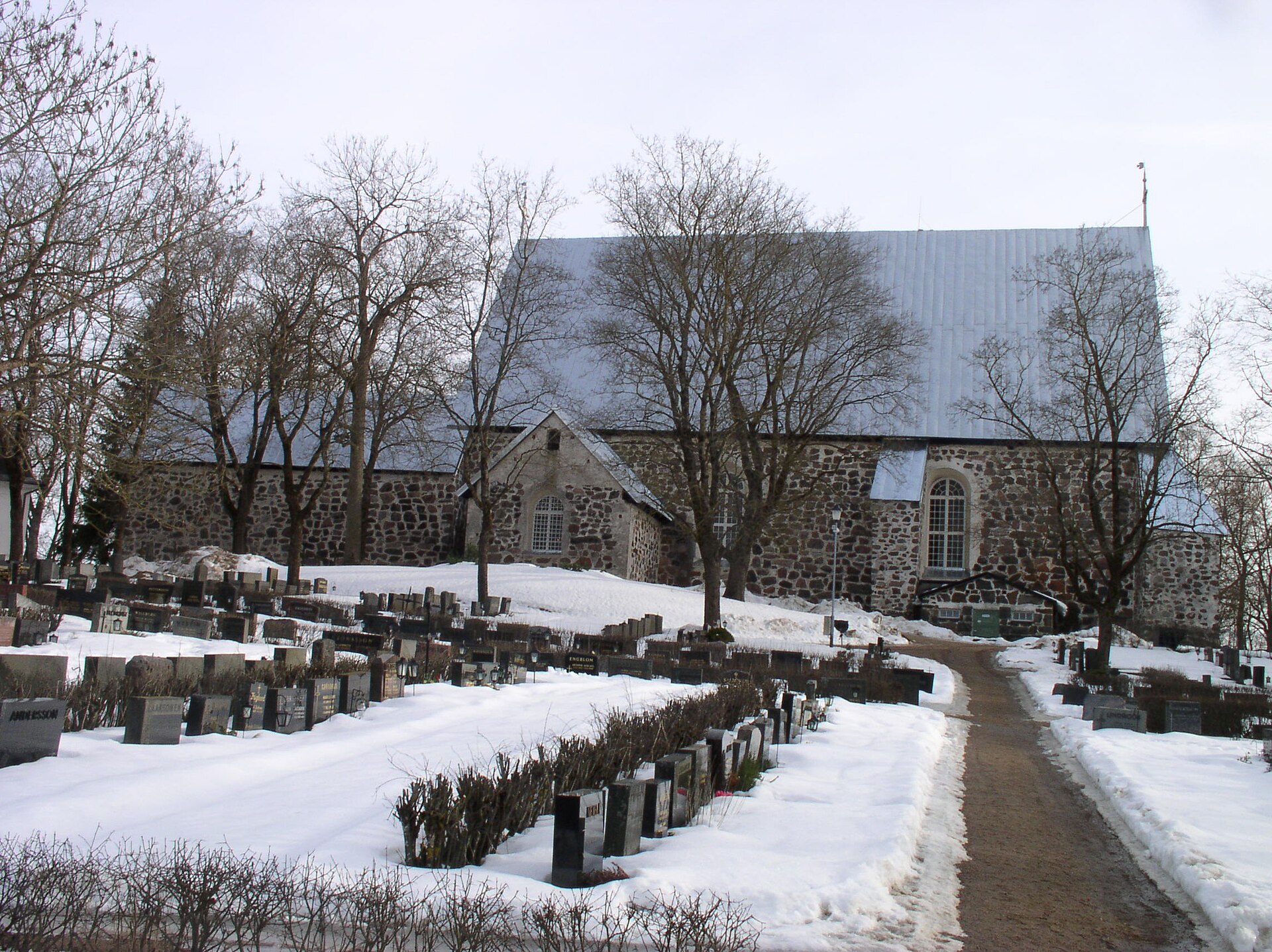
For visitors, the town hall isn’t a museum piece but an invitation to explore Parainen’s center. The area around it is where the town’s life unfolds—cafés, small shops, and the old church on a nearby hill. In summer, the square buzzes with activity as islanders visit and locals host open-air festivals. Winter transforms the space into a cozy gathering spot, where steaming mugs of glögi and snow-dusted rooftops make the season feel intimate. In these moments, the building becomes part of the town’s living rhythm.
The town hall has survived time and renovations. In the mid-20th century, there were attempts to modernize it, but the original design was restored. The authenticity proved too valuable to lose. Today, the building is protected as an architectural landmark, yet it still serves its original purpose. It’s a balance: a place where history and functionality coexist.
Parainen moves at a slower pace than Finland’s cities or tourist hotspots. The town hall embodies that unhurried spirit. It doesn’t try to impress; its appeal lies in its quiet reliability. Standing in the square, you can imagine the decisions made within those walls, the generations of townspeople who’ve passed through its doors, and how the town has quietly reinvented itself. The town hall is more than a building—it’s a silent witness to Parainen’s past, where the weight of history feels light.