The coastal islands of Parainen are one of those rare corners of Finland where time seems to slow down, and the sea and rocks set the pace. Stretching across the southwestern archipelago, near a town that itself feels like an island surrounded by water, this place has no crowded resorts or tourist hordes. Instead, there’s a quiet broken only by the cries of gulls and the gentle lap of waves against granite shores. These islands aren’t just a dot on a map—they’re a living story, where every stone holds memories of glaciers, sailors, and generations of locals who shaped this land over centuries.
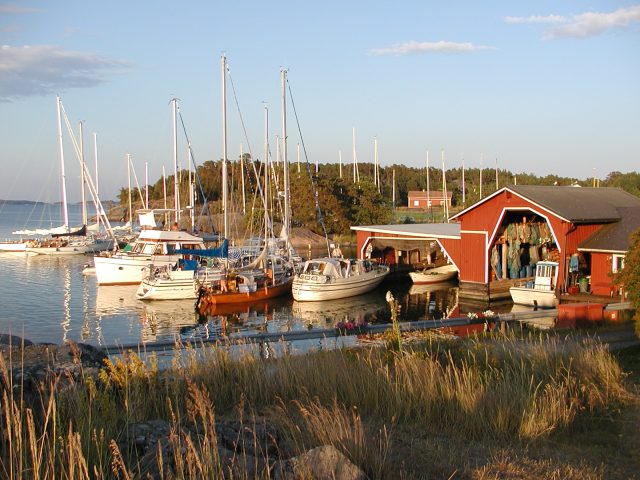
The archipelago is made up of dozens of islands and skerries, some large and inhabited, others tiny and untouched. A few are connected by bridges or causeways, while others remain accessible only by boat. The largest—Sturklubben, Lillklubben, and Kirkkonsaari—were once the heart of fishing villages, where life moved to the rhythm of the tides. Today, you can still find old wooden houses painted in traditional reds and yellows, small docks where boats bob in the water, and a handful of year-round residents. Most islands, though, serve as summer retreats or peaceful getaways for those who come to walk, fish, or simply breathe in the salty air.
The landscape here is a mix of rugged northern beauty and unexpected softness. Rocky shores, covered in moss and lichen, give way to sandy beaches where the sea has polished the stones smooth. The forests are sparse but striking—pines and spruces interspersed with birches, the ground carpeted with lingonberries and blueberries. In summer, the islands burst into bloom, while autumn turns them into a canvas of reds, yellows, and oranges. Winter blankets everything in snow, and the only sign of life is the occasional wisp of smoke rising from a chimney.
The history of these islands runs deep. The first settlements date back to the Viking Age, when sailors sought shelter or plunder in these waters. By the Middle Ages, the archipelago had become part of a vital trade route linking Finland to the Baltic. Some islands still bear traces of old fortifications and lighthouses, remnants of a time when this was a bustling maritime crossroads. In the 19th century, Parainen and its islands became a retreat for Finland’s elite, who built summer villas and picnicked along the shores.
One of the most intriguing spots is Kirkkonsaari, home to an 18th-century wooden church. Perched on a small hill overlooking the sea, it feels like a guardian of the islands’ tranquility. Inside, the old icons and carved wood still stand, and the atmosphere is so serene that it’s hard to leave. Nearby, a quiet cemetery holds the graves of fishermen and sailors, their stories etched into the weathered stones.
In summer, the islands come alive with families, anglers, and those seeking solitude. You can rent a boat and head to a secluded islet for a day of swimming in cool waters or sunbathing on the rocks. Fishermen here catch perch, pike, and even salmon, while others prefer leisurely walks through the woods or picnics by the shore. Autumn draws mushroom and berry pickers, and winter offers skiing or walks across the frozen sea.
Beyond being a place of natural beauty, the archipelago is part of Finland’s cultural heritage. Traditions here have been passed down for generations—some islands still practice old crafts like basket weaving or boatbuilding. Locals are often happy to share their knowledge, teaching visitors how to fish or cook traditional dishes. In summer, small festivals and markets offer a taste of local life, with handmade crafts and regional flavors.
Getting to the islands is easiest by ferry or boat from Parainen, though some routes run only in summer. There are no large hotels or restaurants, but you can stay in a cozy guesthouse or rent a cottage. For those who want more activity, bikes and kayaks are available to explore the shoreline. The key is to leave the rush behind and savor the quiet, the sea, and the slow rhythm of island life.
The coastal islands of Parainen are a place where history and nature feel untouched. There’s no hurry here, just the sea, the rocks, the forests, and a silence that soothes the soul. Whether you visit for a day or a week, these islands leave you with a sense of peace that’s hard to find in the modern world.