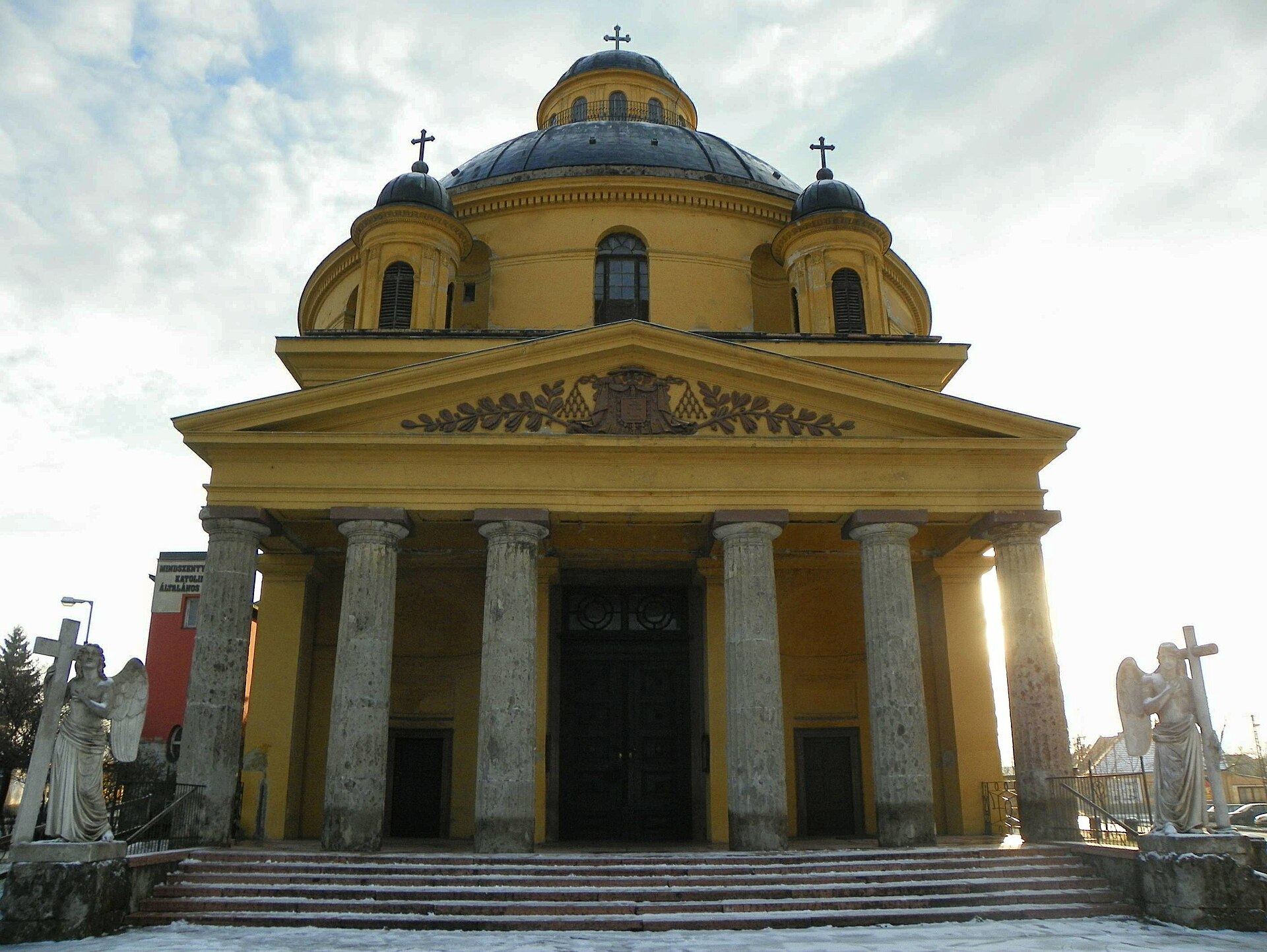
The Parish Church of Saint Anne in Esztergom is one of those quiet places that doesn’t demand attention but lingers in the mind long after you’ve left. Tucked away on a small square in the old town, surrounded by low-roofed houses, it blends into the streetscape so seamlessly that you might walk past without a second glance. Yet if you pause and look closer, it becomes clear that this unassuming building is more than just another church—it’s a witness to centuries of history, architectural shifts, and the enduring role of faith in the life of Hungarian towns.
Built in the mid-18th century, the church emerged during a period when Esztergom was no longer the capital of Hungary but remained a significant religious hub. The Ottoman occupation had left the city in ruins, and as it slowly rebuilt, new churches rose in the prevailing Baroque style. Saint Anne, the mother of the Virgin Mary, wasn’t as commonly venerated as other saints, which makes this dedication all the more notable. She was seen as a protector of mothers and families, and the church likely became a place where people sought not just spiritual solace but also comfort in times of hardship.
The architecture reflects the restrained elegance of Hungarian Baroque from that era. The facade is simple, with clean lines and symmetrical windows, while a modest clock tower rises above the entrance. Inside, the space feels surprisingly airy despite its small size—light walls, high vaulted ceilings, and wooden pews arranged in a gentle curve. The altar gleams with gilded details, and faded frescoes on the walls depict scenes from the lives of saints. There’s no grand opulence here, just a quiet dignity that makes the church feel lived-in and real.
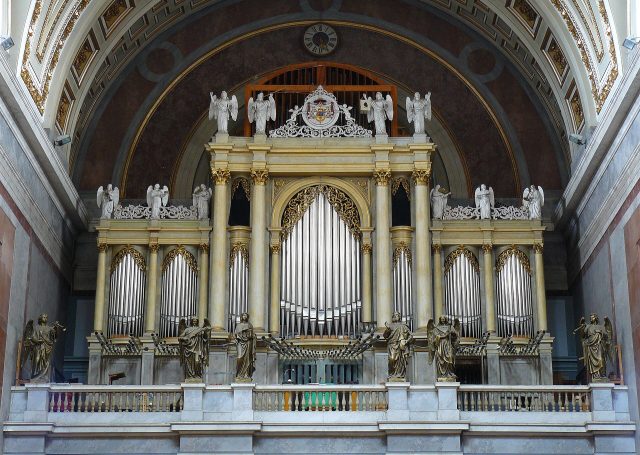
Over the years, the church has undergone several renovations, the last major one in the 19th century. That’s when the organ was installed, its music still filling the space during services. Organ concerts are rare, but if you happen to hear one, the sound transports you back to a time when Esztergom was not just a religious center but a cultural one as well. Wars and revolutions have taken their toll on the interior, but what remains offers a glimpse into how people here worshipped and lived across generations.
Esztergom itself is a city steeped in history, and Saint Anne’s fits naturally into its story. Long before the Ottomans or the Habsburgs, this was where one of Hungary’s first Christian churches stood. Later, in the Middle Ages, it became the seat of archbishops whose influence stretched far beyond the region. While the Basilica of Saint Adalbert may dominate the skyline, smaller churches like this one remind us that religious life in Esztergom never truly faded. Even in the darkest times, when the city found itself at the crossroads of conflict, its people rebuilt their places of worship, preserving a thread of continuity.
Today, the church is still very much a part of daily life. Weddings, baptisms, and memorial services take place here, and on feast days, the congregation gathers—many of them families who have lived in Esztergom for generations. For visitors, it might not be the most striking landmark, but that’s part of its charm. Unlike museums or castles, which often feel like exhibits, this church remains a living space where history isn’t cordoned off from the present. If you step inside on a quiet weekday, the empty pews and soft light make it easy to feel that connection to the past.
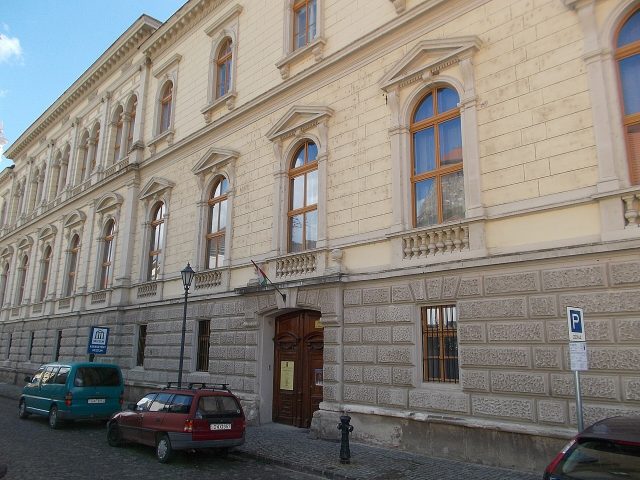
The area around the church is a maze of narrow streets lined with cafés and small shops. A short walk toward the Danube leads to the riverbank, where the view opens up to the water and the hills on the opposite shore. Esztergom moves at a slower pace than Budapest, making it ideal for unhurried exploration. Saint Anne’s isn’t the kind of place that draws crowds, but it’s a reminder that even in small towns, history isn’t just something you read about—it’s something you can still touch.
There’s a particular kind of quiet that settles over old parish churches, the kind that makes you slow down without realizing it. This one has that quality in abundance. It doesn’t ask for admiration; it simply exists, as it has for centuries, a steady presence in a city that has seen empires rise and fall. If you take the time to sit on one of the wooden benches, the weight of the past feels almost tangible—not as a relic, but as something that’s still very much alive.