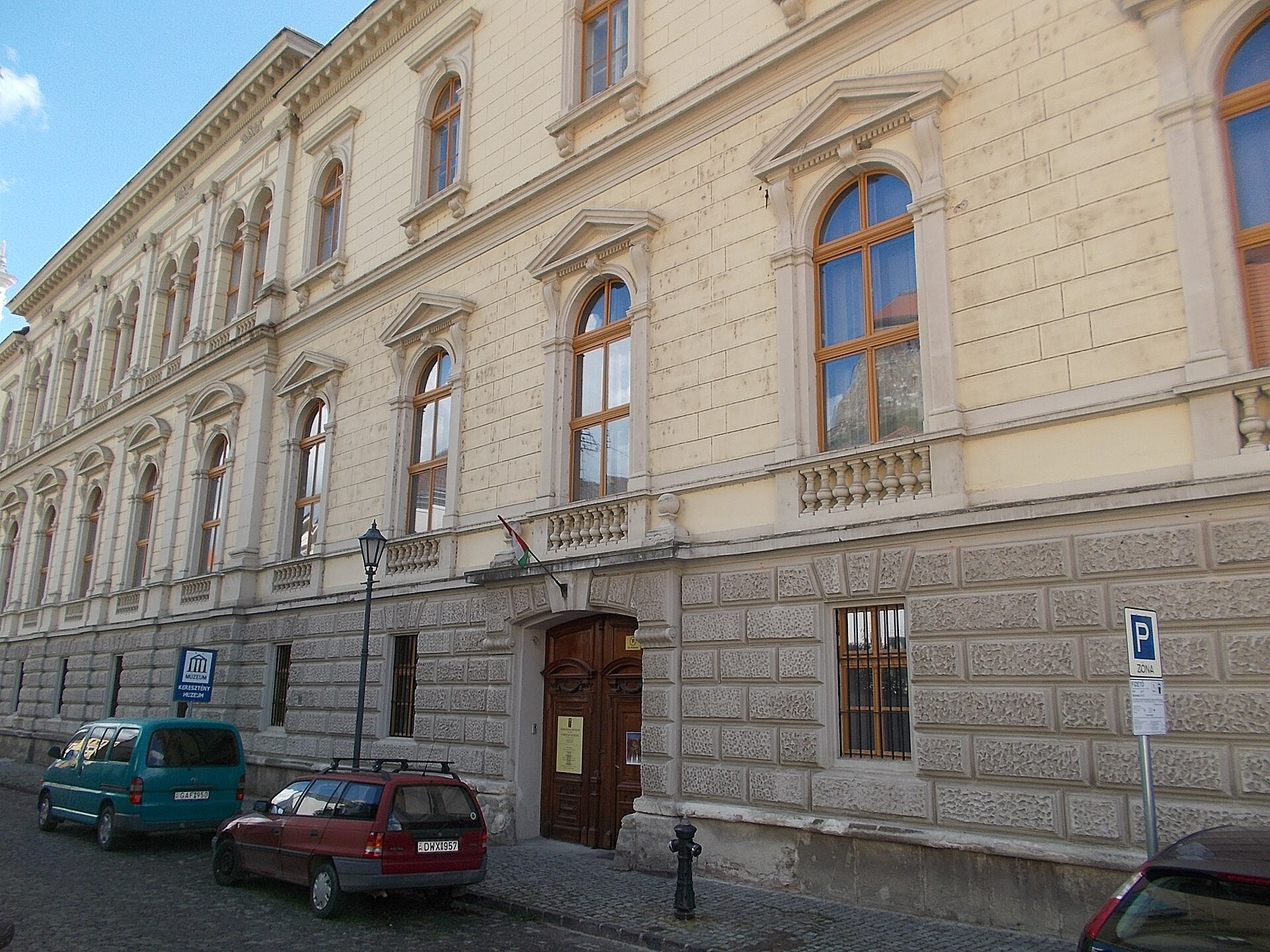
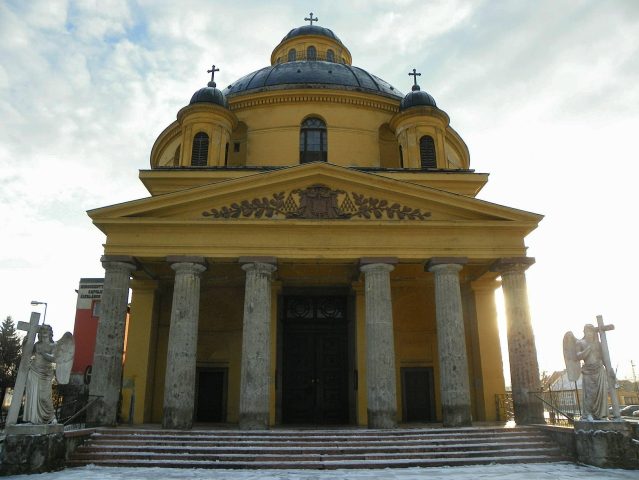
Esztergom sits on the Danube, where Hungary’s Christian past lingers in stone and silence. The town was the seat of the first archbishops, and the Basilica of St. Adalbert—Hungary’s largest church—still dominates the skyline. Next to it, the Museum of Christianity holds the objects that once shaped a nation’s daily rituals and power structures.
The museum began in 1882, after Ottoman rule ended and the basilica was rebuilt. Its founders wanted to protect what had survived: manuscripts, vestments, and sacred items from wars and fires.
Start in the early Middle Ages. Fragments of frescoes, crosses, and icons show how Christianity spread through Hungary. The coronation cross of St. Stephen—Hungary’s first Christian king—is here. The displayed cross is a replica, but its gold and enamel still carry the weight of the moment when faith became law.
Walk through the Baroque era. Silver chalices gleam under glass, and embroidered vestments show the skill of craftsmen. The Counter-Reformation left its mark too: books, icons, and tools from monastic life. Some objects are worn, their faded silk and cracked wood speaking of centuries of use.
The manuscript collection stands out. Bibles in Latin and Old Church Slavonic share space with prayer books and monk-kept chronicles. Miniatures in the margins are so precise they look painted. These pages preserved knowledge before printing presses existed.
The museum also holds pieces from beyond Hungary: Italian crucifixes, German engravings, Byzantine icons. They arrived through trade or diplomacy, showing how Christianity adapted as it moved across Europe.
What makes this place different? The labels explain not just what you see, but how it was used and why it was made. A chalice isn’t just old—it was part of a specific Mass. A vestment’s embroidery reflects a region’s style. The objects feel connected to real lives, not just history books.
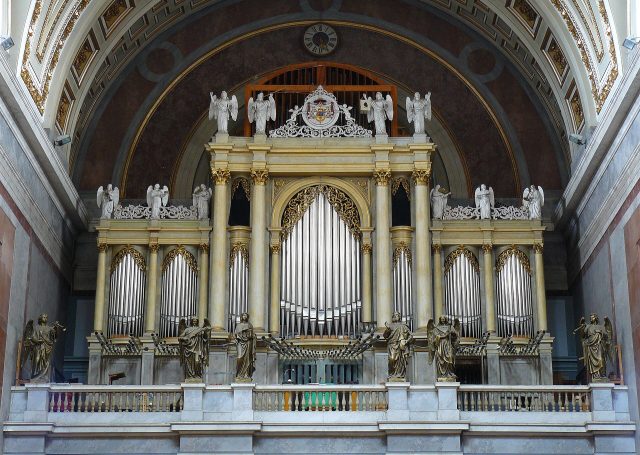
Visit the basilica afterward. Its stained glass and organ contrast with the museum’s smaller, quieter artifacts. Together, they show how faith was lived—from grand ceremonies to daily prayers.
The Museum of Christianity isn’t crowded. There’s time to look, to wonder who last held these objects and why. The air smells of old paper and wood, and each item holds a story that’s still unfolding.