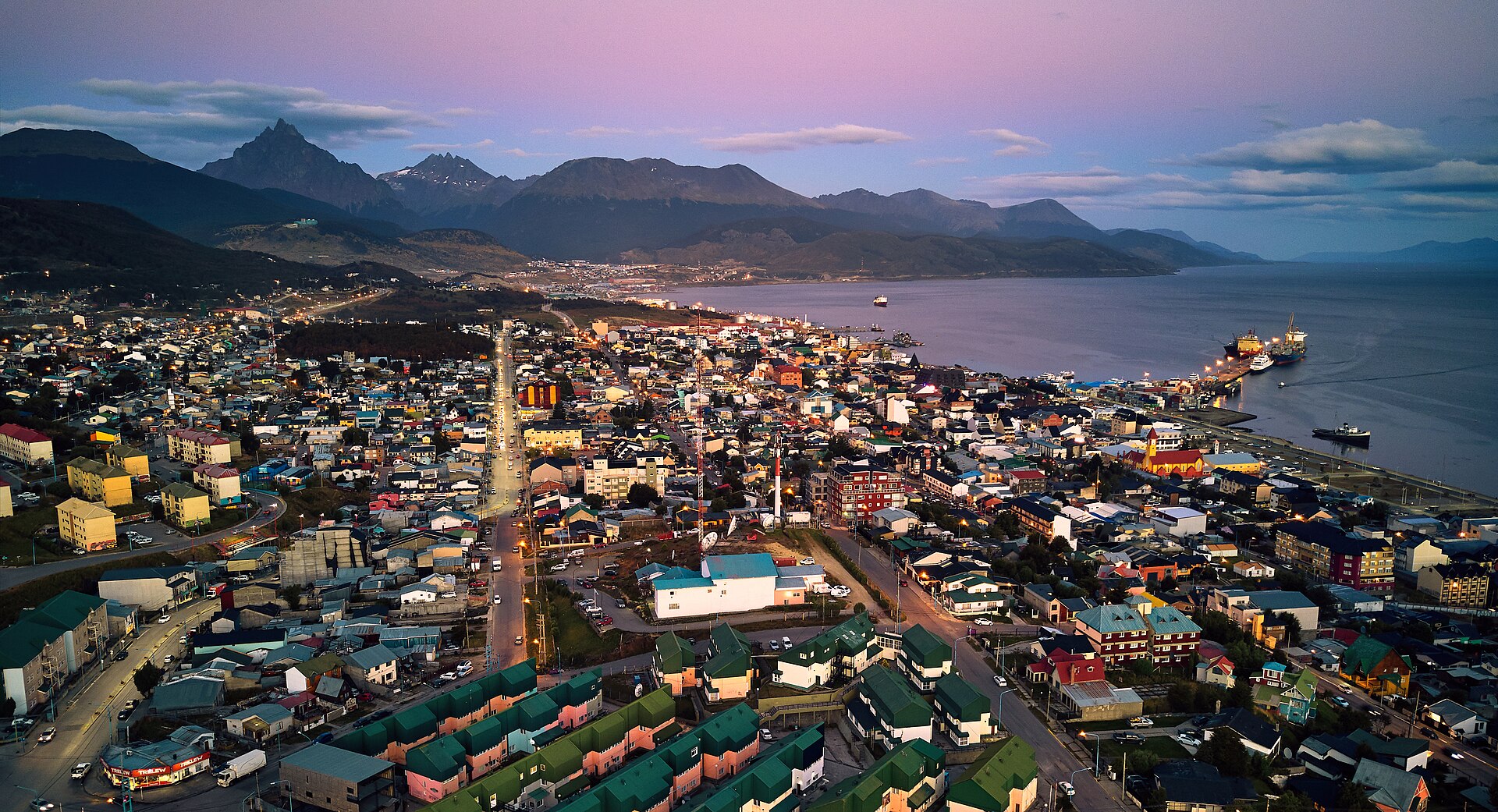
Ushuaia’s Port: Where the Edge of the World Feels Real
Ushuaia sits on the Beagle Channel, a place where the Southern Ocean meets human stubbornness. The port wasn’t built for comfort—it was built to last. Whalers and seal hunters once sheltered here. Later, scientists used it as a base for expeditions. Now, it’s the last port of call before Antarctica, where the past lingers in the salt spray.
Wooden and corrugated-metal buildings, painted in reds and blues, line the waterfront. They’re not pretty, but they don’t need to be. Fishing boats, cargo ships, and ice-strengthened vessels crowd the docks, their hulls scarred by the sea. Behind them, mountains rise under a sky that’s often gray. This isn’t a place that hides its scars.
Ushuaia is the southernmost city on Earth. The port keeps it alive. Fuel, food, and supplies arrive by ship. Tourists leave for Antarctica. Researchers set out for the ice. In summer, the harbor is loud—cruise ships, fishing boats, and cargo vessels all jostle for space. Winter slows things down, but the port never stops. Icebreakers and supply ships keep the city connected.
The waterfront smells of diesel and fish. Gulls wheel overhead. A ship’s horn cuts through the air. Warehouses and repair shops stand along the docks, where nets are patched and engines tuned. Fishermen unload crabs and hake, their catch bound for markets across Argentina. Tourists take photos of sea lions sunning on the rocks or icebergs drifting in the channel.
For most travelers, this is the starting point for Antarctica. Expedition cruises leave from here, crossing the Drake Passage. The docks buzz with last-minute preparations—people buy souvenirs, mail postcards, or sip coffee while watching ships load. There’s a tension in the air, like everyone knows they’re about to step into something bigger than themselves.
The port isn’t just for tourists. Fishermen, dockworkers, and mechanics work here, knowing the risks. Storms roll in fast. Ice can trap ships. The weather changes without warning. Summer brings crowds, but winter is quieter, the port settling into a rhythm of its own.
Walk the waterfront. The wind bites. The sea smells of salt and engine oil. Ships vanish into the horizon, carrying stories you’ll never hear. This is where Ushuaia lives—raw, unfiltered, and unapologetic.