Ushuaia
Argentina · 8 places
Photo: Deensel, CC BY 2.0
Ushuaia: The City at the End of the Map
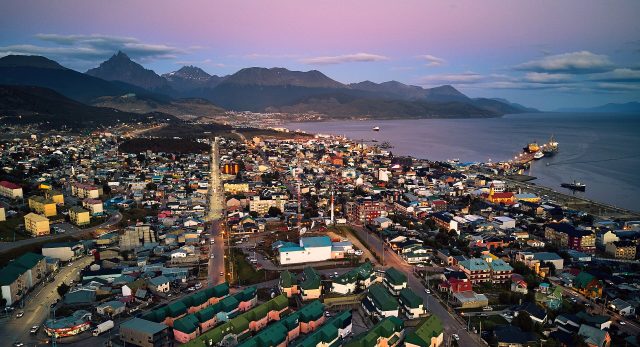
The southernmost city on Earth clings to the shore of the Beagle Channel, where South America frays into cold, gray water. Behind it, the Andes rise in jagged peaks, their snow-covered slopes catching the low sun. Antarctica is closer than Buenos Aires here. Locals say if you walk any farther south, you’ll meet penguins—it’s not a joke.
The city is small. Wooden houses, painted in bright colors, climb the hillsides. Narrow streets wind past buildings from the early 1900s, when Ushuaia was a penal colony and a missionary outpost. Now, those same structures hold museums, cafés, and shops selling wool sweaters. Life moves slowly, as if the city is still surprised by its own fame.
Just outside town, Tierra del Fuego National Park begins. Dirt roads replace pavement, winding through southern beech forests and peat bogs. In winter, the park is white and silent, its ski trails threading between snow-laden trees. Summer turns it green, with lakes so cold they steal your breath. The Martial Glacier looms over the city, visible from downtown. Hiking trails lead into the mountains, where the wind and the cries of cormorants are the only sounds.
The Beagle Channel is not kind to swimmers. Its waters are dark and choppy, ruled by tides that expose rocks one moment and hide them the next. Sea lions lounge on the shore in summer, their bodies glistening in the weak sunlight. Orcas pass by sometimes. Penguins nest on nearby islands—boat tours get you close, but the birds keep their distance. Fishing boats bob in the harbor, and ships bound for Antarctica leave from the docks, their hulls groaning as they push through the waves.
For many, Ushuaia is the last stop before Antarctica. Adventurers buy supplies here, swap stories in dim bars, and prepare for the Drake Passage. Even if you’re not heading south, the city feels like the end of something. No grand cathedrals, no ancient ruins—just the quiet certainty of standing at the edge of the habitable world. The air smells of salt and damp earth. The light is sharp, and the wind carries the faintest hint of snow, even in summer.
Time moves differently here. No crowds, no neon signs. Days stretch and contract with the tides. The city doesn’t dazzle—it draws you in with silence, with the vastness of the landscape, with the knowledge that beyond these streets, there’s nothing but ocean and ice. That’s why it stays with you.
See & Do
8 places


Places on the map
Marker colour follows the categoryClimate and weather
Detailed weather: Ushuaia- Average temperature
- 6 °C
- Precipitation per year
- 597 mm
- Sunshine hours per day
- 3.9 h
Average air temperature
°C
10
10
8
6
5
3
3
3
5
7
8
9
Jan
Feb
Mar
Apr
May
Jun
Jul
Aug
Sep
Oct
Nov
Dec