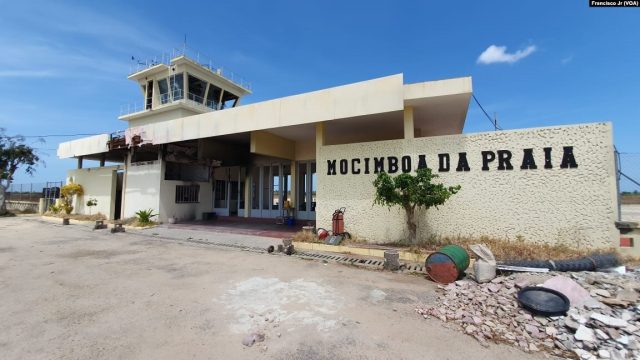
Mocímboa da Praia’s port is one of those places that rarely makes it into guidebooks, yet it offers a rare glimpse into the unfiltered rhythm of northern Mozambique. Unlike the bustling commercial harbors of more famous coastal cities, this port moves at its own pace—unhurried, unpolished, and deeply tied to the lives of those who depend on it. For generations, it has been the gateway to the Indian Ocean for local fishermen, small trading vessels, and anyone whose livelihood is shaped by the sea.
The port’s history is inseparable from the town itself. What began as a humble fishing village centuries ago has always looked to the ocean for survival. During the colonial era, Portuguese ships occasionally anchored here, and over time, the port grew into a modest but vital hub for regional trade. Today, it remains a functional, if unassuming, point of connection—where goods, fish, and the occasional passenger pass through on their way to nearby islands or coastal settlements.
There is nothing grand about the port’s architecture. Wooden docks, weathered cranes, and a handful of warehouses stand alongside boats pulled ashore for repairs. No sleek promenades or modern terminals exist here, and that simplicity is part of its charm. The port has its own quiet order: fishermen return with the morning catch, laborers unload sacks of supplies, and by evening, locals gather along the shore to talk, watch the water, or simply unwind. The sound of waves and the cries of seabirds fill the air, a constant reminder of the ocean’s presence.
For travelers, the port is less a tourist attraction than a window into the daily life of Mozambique’s coast. There are no souvenir stalls or oceanfront cafes, but there is the chance to watch fishermen mend their nets, see fresh catch grilled over open fires, or observe children playing in the shallows as boats drift by. Time feels slower here, and that pace is impossible to ignore. It’s a place where the ocean isn’t just scenery—it’s work, tradition, and survival.
Economically, the port plays a crucial role in the region. It handles essential goods—fuel, building materials, everyday supplies—and serves as a distribution point for fish caught in local waters, some of which finds its way to markets beyond Mozambique’s borders. In recent years, the port’s importance has grown alongside the development of the area’s oil and gas industry, though it remains a small-scale operation, far from the scale of major shipping hubs.
Beyond the port, the surrounding coastline offers its own quiet allure. The beaches here are untouched, with powdery white sand and palm trees bending toward the water. Away from the town, secluded coves stretch into the distance, where the ocean seems endless and the horizon blurs into the sky. Locals often share these spots with visitors who come seeking solitude or a break from the noise of more developed areas.
The climate in Mocímboa da Praia is tropical, with distinct wet and dry seasons. The best time to visit is between May and October, when the weather is more predictable and the sea calmer. During these months, the port is at its liveliest, with fishermen returning with full nets and the shore buzzing with activity. From November to March, the rainy season brings humidity and occasional storms that can disrupt port operations, but the landscape becomes lush and vibrant, a different kind of beauty.
This isn’t a place for those seeking luxury or entertainment. There are no high-end hotels, gourmet restaurants, or guided tours. Instead, the port appeals to travelers who want to see Mozambique as it truly is—without filters or embellishments. It’s a place where the ocean isn’t just a backdrop but a way of life, where the past and present coexist in the daily routines of those who call this coast home.
For anyone who chooses to visit, it’s worth remembering that Mocímboa da Praia’s port is first and foremost a working harbor. There’s little infrastructure for tourists, so visitors must rely on their own resourcefulness and the kindness of locals. But that’s precisely what makes the experience meaningful—the chance to step into a world where life moves to the rhythm of the tides, where the ocean is both a provider and a challenge, and where the simplicity of the place reveals something far more authentic than any postcard-perfect destination.