The ocean here stretches endlessly, and time slows just enough to let you breathe. The beach is quiet, with only waves and the occasional fishing boat breaking the silence. At dawn, boats head out to sea; by dusk, they return with the day’s catch. Coral reefs offshore shape the waves—sometimes gentle, sometimes fierce—adding a raw beauty to the coastline.
This stretch of sand lies in northern Mozambique, in Cabo Delgado province, near the Tanzanian border. Few travelers come this far, so the shore remains unchanged. The town was once a port for trade between Africa and Asia. Now, crumbling warehouses and weathered docks stand as remnants of that era, salt lingering in the air. Life here revolves around the sea. Fishermen follow the tides, their catch shared among neighbors, a tradition as old as the town itself.
The beach runs for miles. Pale sand gives way to water that shifts from turquoise to deep blue. When the tide recedes, it reveals sandbars and coral. Children play in the shallows while adults mend nets or prepare boats. From December to March, the rainy season transforms the coast—waves grow stronger, and the sea demands caution. The rest of the year, the weather is calmer, though the ocean never fully relaxes.
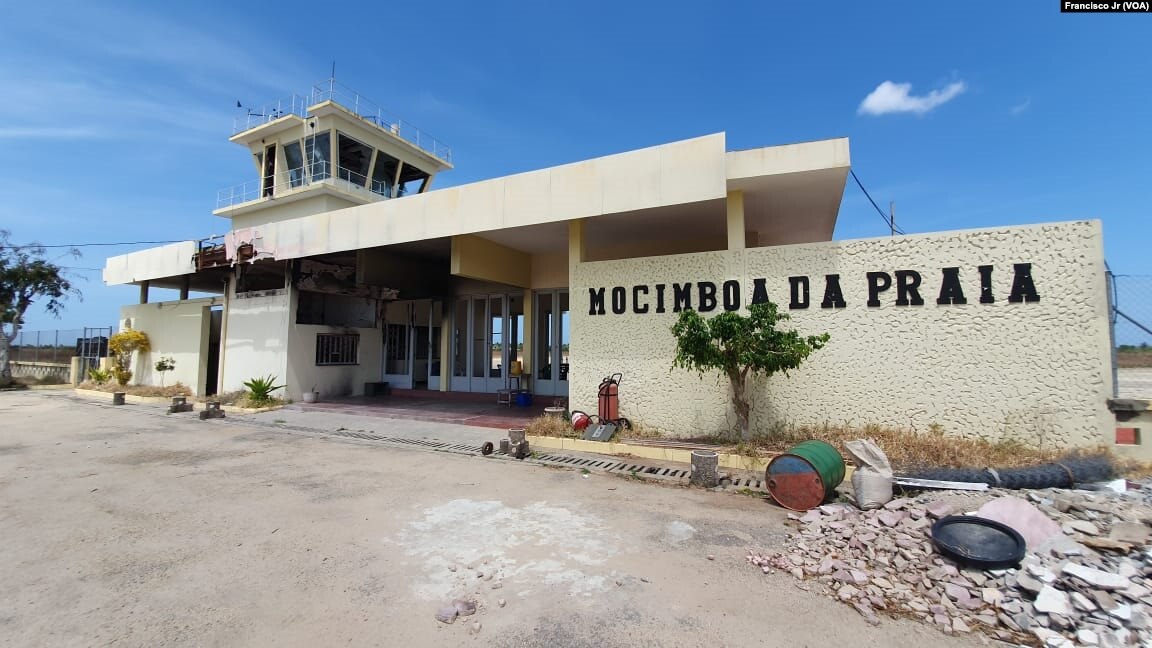
Houses in Mocímboa da Praia are built from wood, palm fronds, or concrete—whatever is at hand. They’re designed to withstand wind and salt. In the town center, a few colonial-era Portuguese buildings remain, their faded facades hinting at older history. The streets are quiet; bicycles and motorbikes carry fish, rice, and supplies.
Mornings begin with roosters and the roar of the surf. Evenings end with sunsets that paint the sky orange and pink. After dark, fires flicker on the beach. Fishermen gather, talking quietly or listening to the waves. Sometimes, someone plays a guitar, the music blending Mozambican and Portuguese influences.
This isn’t a place for luxury resorts or nightlife. The roads are rough, electricity unreliable. But that’s why it appeals. Mocímboa da Praia offers something else: a sense of being present, where land, sea, and sky blur. Visitors adapt to the unhurried pace, waking with the sunrise and winding down as the light fades.
There are no museums or shopping districts—just daily life. The ocean sets the rules, and people follow them. Even outsiders fall into the rhythm, letting go of the need to rush. The beach is vast, and often, the only footprints in the sand are yours.
Northern Mozambique rarely appears on tourist maps. Mocímboa da Praia is one of its quiet corners. Here, you experience Africa as it is—not from postcards, but where people and nature exist in balance. Change may come, but for now, this remains a place where the ocean’s vastness reminds you what it means to slow down.