Port Lucaya isn’t just a dot on Freeport’s map—it’s where the Bahamas breathe without pretense. There’s no staged exoticism here, no forced spectacle of island life. Instead, the waterfront stretches wide and unhurried, where fishing boats drift back with the day’s catch and yachts idle before setting sail. It’s a place that moves at its own pace, welcoming visitors without fanfare: couples seeking quiet corners, travelers who want to step into the rhythm of the island rather than the chaos of a resort.
The story of Port Lucaya is tied to Freeport’s rise as a destination. In the mid-20th century, the Bahamas began shaping itself around tourism, and Freeport was one of the first places to embrace it. Port Lucaya wasn’t built as a standalone resort but as a natural extension of the city’s life. There are no ancient forts or colonial mansions here—just practical, modern spaces where hotels, restaurants, and shops exist not to mimic some imagined version of the tropics, but to offer what travelers actually need: comfort, good food, and a glimpse of the island as it is.
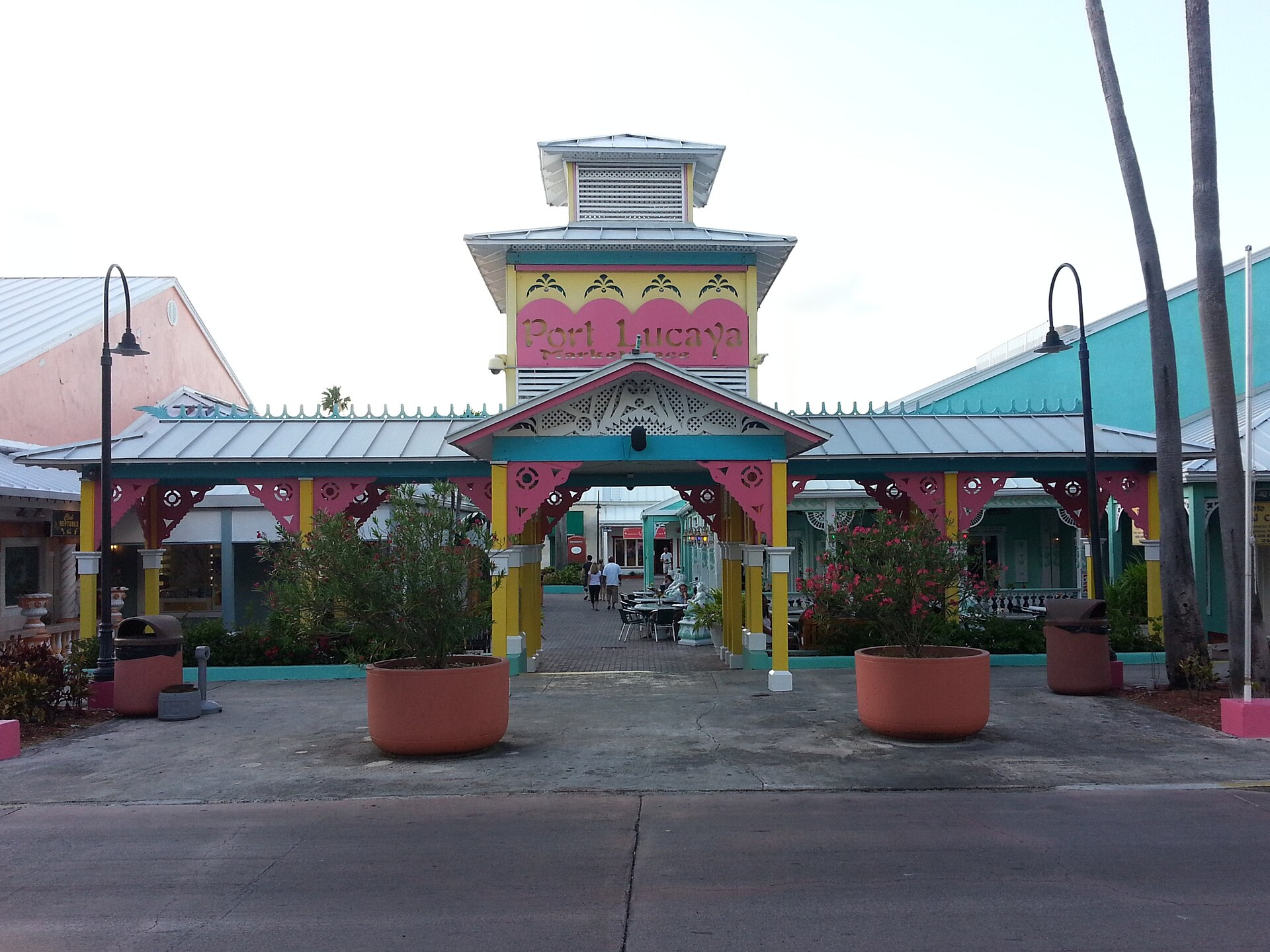
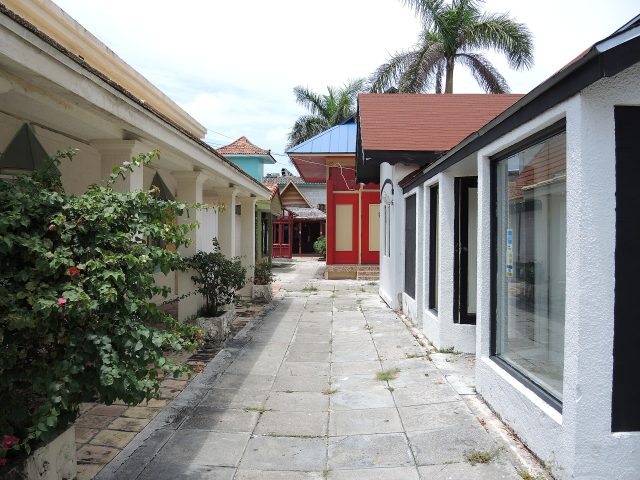
The architecture reflects that same straightforward charm. Buildings are low and airy, with wide verandas and large windows that let in sunlight and sea breezes. The colors—soft whites, blues, and sandy beiges—blend into the landscape, keeping things cool even in the heat. Along the waterfront, wooden walkways invite barefoot strolls, while small cafes and bars spill out onto the pavement, where locals and visitors alike linger over drinks as the evening unfolds. There’s no grand design, just a quiet, lived-in beauty.
The market is where Port Lucaya feels most alive. It’s not a tourist trap but a working part of the community, open a few days a week. Stalls overflow with fresh fish, tropical fruit, spices, and local dishes, and the vendors are happy to share tips on how to cook what they’re selling. It’s a place to pick up souvenirs, sure, but more than that, it’s a chance to see how the island sustains itself. The conversations here aren’t performative—they’re just people going about their day, occasionally glancing at the strangers who’ve wandered in.
The sea here is different from the crowded beaches elsewhere in the Bahamas. Port Lucaya’s shoreline offers quiet spots where the water is clear and the sand is soft, powdery white. The gentle slope into the water makes it easy for families, and the waves are usually calm, perfect for a relaxed swim. Sometimes, fishermen return in small boats, their catch destined for nearby restaurants. Even from the shore, you can see fish darting beneath the surface, a reminder of how alive the ocean is.
Evenings bring music drifting from the bars and cafes—nothing loud or overproduced, just live performances that blend jazz, reggae, and traditional Bahamian sounds. Occasionally, there are small concerts or festivals along the waterfront, but even without them, the atmosphere is one of easy company. Locals gather after work to unwind by the water, and visitors quickly find themselves part of the scene, sipping rum punch or coconut water without feeling like outsiders.
Port Lucaya won’t dazzle you with grand vistas or historic landmarks. There are no ancient ruins, no palaces, no world-famous museums. What it offers instead is something rarer: a place where the Bahamas feel real. The sea shimmers under the sun, fishermen return with their haul, and the market sells what the island grows and catches. It’s not a place for those who want a packaged escape, but for those who want to see how the island lives—and maybe, for a little while, live it too.