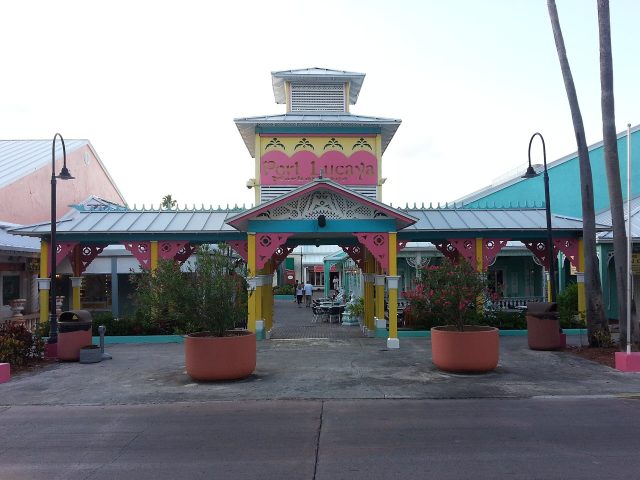
Freeport’s International Bazaar isn’t just a marketplace—it’s where the Bahamas first learned to welcome the world. Built in the 1960s, when Grand Bahama was still a quiet island with more palm trees than hotels, the bazaar became one of the first places where visitors could step off a plane and immediately feel the pulse of a new kind of Caribbean life. Back then, Freeport was little more than a vision in the minds of developers, but the bazaar already offered something rare: a taste of the exotic without sacrificing comfort. Here, you could find local spices and handmade crafts alongside imported goods that were hard to come by elsewhere in the islands, all under one sun-dappled roof.
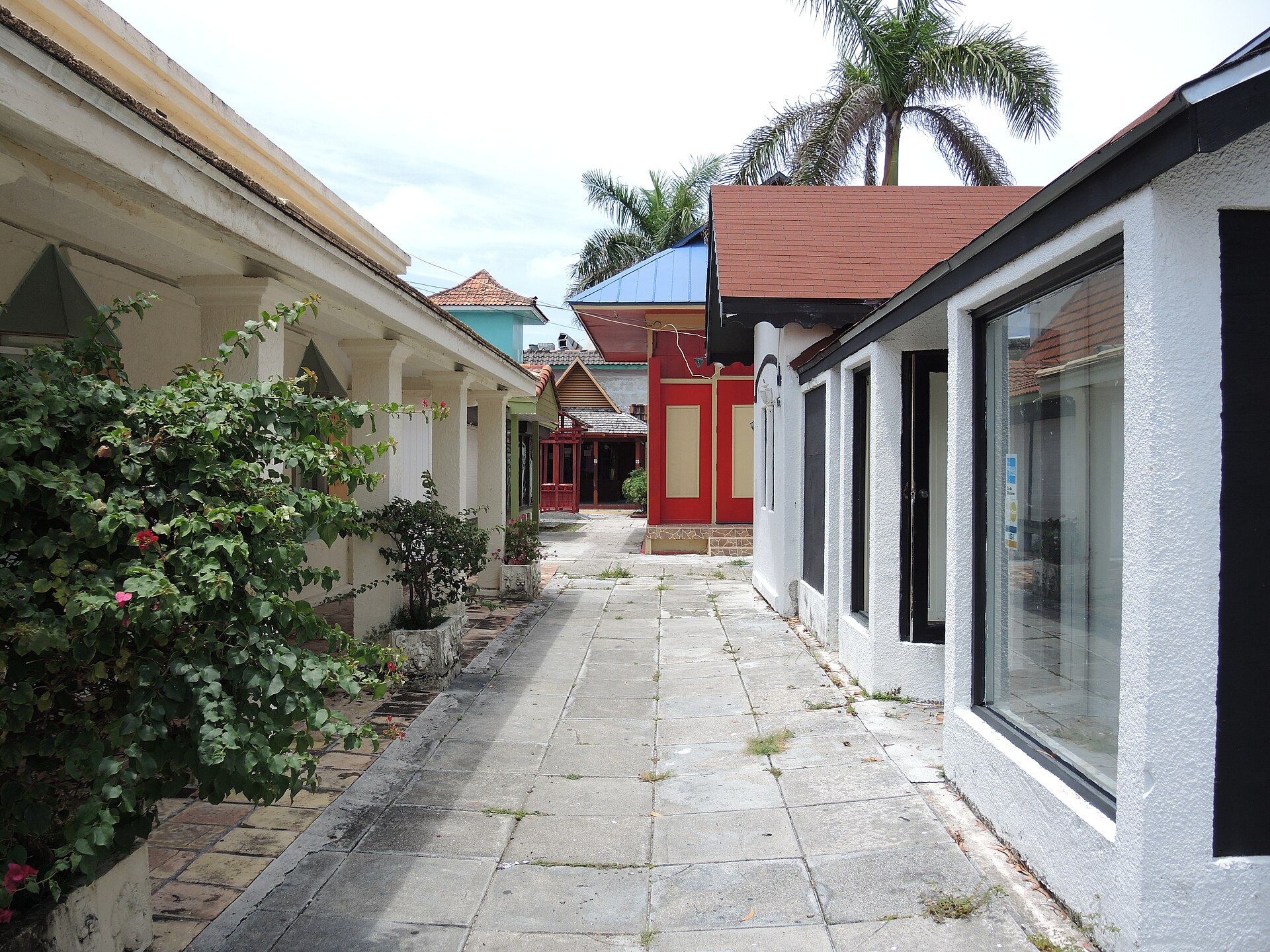
The architecture doesn’t try to impress, and that’s part of its charm. Low-slung buildings with terracotta roofs, draped in bougainvillea and shaded by palms, give the place the easy rhythm of a Mediterranean village. The narrow walkways between shops feel more like the backstreets of a port town than a modern shopping center. Inside, the stores are spacious but never sterile—wooden counters, woven baskets overflowing with goods, and the warm glow of lamps make it feel less like a mall and more like someone’s well-loved home. Even the air carries the scent of salt and spice, as if the island itself has settled into the walls.
What draws people here, more than anything, is the sheer variety. You can wander from stalls selling traditional Bahamian straw work to boutiques with designer clothing, from local rum distilleries to coffee vendors offering rare blends. The real treasures, though, are the handmade pieces—jewelry, art, even furniture crafted from shells and coral by artisans who’ve spent lifetimes perfecting their trade. The rum, too, is worth seeking out. Smooth and subtly sweet, it’s best sipped slowly, the way locals do, with a slice of pineapple or a splash of coconut water to soften the heat.
But the bazaar is about more than shopping. It’s where Freeport’s daily life unfolds in plain sight. Small cafés serve fresh fish seasoned with island spices, while bars mix cocktails so simple they’re just called “Bahamian”—rum, citrus, and ice, nothing more. As the afternoon fades, musicians appear, strumming guitars or tapping out rhythms on drums. Sometimes, if you’re lucky, you’ll hear the old Bahamian tunes—lively, syncopated melodies with roots in Africa, played with the kind of joy that makes it impossible not to sway along.
The bazaar has its own rhythm, one that doesn’t follow the schedule of tour buses. Mornings belong to locals, who come for groceries, household goods, or just a chat with neighbors. By midday, tourists drift in, cameras in hand, but by late afternoon, the space fills with people who aren’t there to buy or sell—just to be. Fishermen stop by after a morning on the water, kids dart between stalls, and elders sit on benches, watching the ebb and flow of life. It’s the kind of place where you can stand in one spot and see the whole island in miniature.
The bazaar’s story is Freeport’s story. In the 1950s, this part of Grand Bahama was nearly empty—just a few fishing shacks, scattered palms, and miles of untouched beach. Then came the developers, mostly American, who saw potential in the island’s white sand and turquoise water. Freeport was built almost from scratch, and the International Bazaar became its beating heart. Designed to feel like a world in miniature, it offered visitors a curated slice of global culture—all the comforts of home, with just enough exotic flair to make it feel like an adventure.
Today, the bazaar has changed, but not as much as you might expect. Some shops have new owners, a few corners have been modernized, and the crowds are thinner than they were in the 1970s. Yet the essence remains. You can still find things here that don’t exist anywhere else—hand-carved wooden bowls, batik fabrics dyed in island colors, or a bottle of rum with a label painted by a local artist. The vendors, many of whom have worked here for decades, remember when the bazaar was the only place on the island to buy certain goods. They’ll tell you which stalls used to sell the best conch fritters, or how the price of straw hats has changed over the years.
For visitors, the bazaar offers a different kind of Bahamian experience. It’s not just about beaches and resorts—it’s about the people, the crafts, the slow, unhurried way of life that defines the islands. You can buy a souvenir here, sure, but you can also buy something that feels like a piece of the place itself. A woven basket that took a week to make. A painting of a fishing boat, its colors as bright as the sea. Or just a cup of coffee, sipped while watching the world go by. The bazaar doesn’t rush you. It lets you linger, to soak in the warmth of the sun, the laughter of strangers, the quiet hum of a place that has seen generations come and go—and still knows how to make them feel at home.