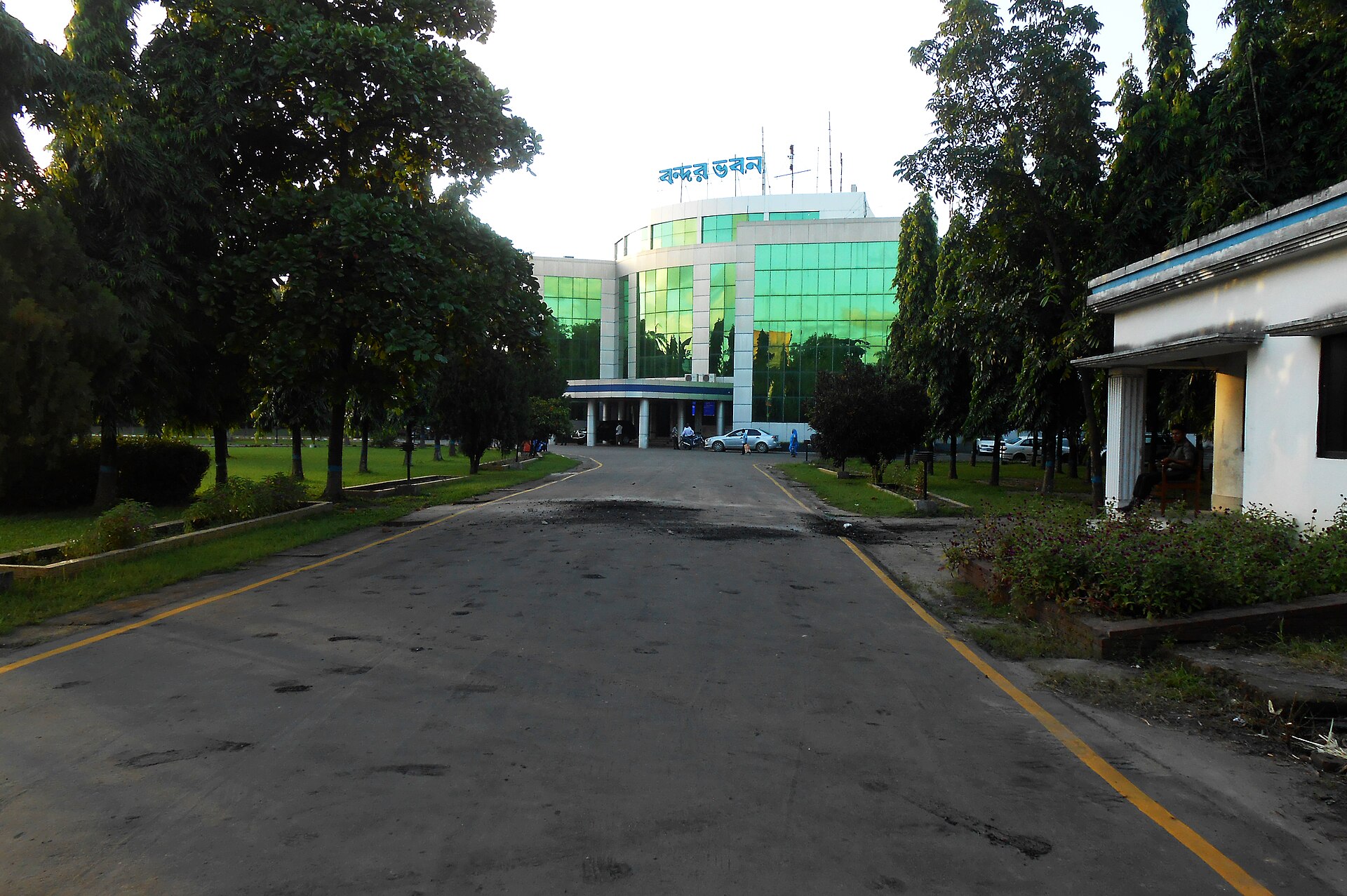
Chittagong Port isn’t just Bangladesh’s gateway to the ocean—it’s where history, commerce, and daily life collide in a way that feels both timeless and urgent. Stretching along the Bay of Bengal, this place has been a crossroads for centuries, a hub where the rhythms of trade and the sea shape everything around it. The air here carries the weight of generations: the shouts of dockworkers, the creak of cranes, the salt-tinged breeze that has blown through these waters since long before the country existed in its current form.
The port’s origins trace back to ancient trade routes, when merchants from India, China, and Southeast Asia passed through these shores, exchanging spices, silk, and precious stones. By the Middle Ages, Arab and Persian traders had made Chittagong a key stop on their voyages, leaving behind a legacy of cultural exchange that still lingers in the city’s architecture and traditions. Later, colonial powers—Portuguese, Dutch, and British—fought for control of the port, each reshaping it to serve their own ambitions. Today, remnants of that past survive in the weathered warehouses, the rusted machinery, and the colonial-era buildings that stand alongside modern terminals, a physical record of how the port has adapted over time.
As Bangladesh’s largest and busiest port, Chittagong handles nearly all of the country’s maritime trade. Ships from across the world dock here daily, unloading everything from textiles and jute to oil and industrial equipment. The port is a hive of activity, with workers moving in constant motion, loading and unloading cargo with a precision that comes from decades of practice. For many families in Chittagong, the port isn’t just a workplace—it’s a way of life, passed down through generations. The docks provide jobs, but they also shape identities, creating a community where the sea is as much a part of existence as the land.
The architecture of the port reflects its utilitarian purpose. There’s little concern for aesthetics here; function dictates form. Narrow alleys wind between warehouses, leading to docks where ships from different nations sit side by side. Some vessels look like they’ve sailed straight out of a bygone era—peeling paint, patched-up hulls, yet still seaworthy, still in service. Others are sleek, modern container ships, their steel sides gleaming under the sun. The contrast is striking, a reminder that the port exists in multiple time periods at once, untouched by the pace of the city just beyond its gates.
Chittagong itself has grown around the port, its neighborhoods shaped by the demands of maritime trade. Entire districts are home to dockworkers, fishermen, and sailors, their lives intertwined with the ebb and flow of the tides. The streets here smell of spices, fresh fish, and saltwater, while the sounds of Bengali, English, and Arabic blend into a constant hum. There’s no tourist infrastructure, no polished veneer—just the raw, unfiltered reality of a place where people work, struggle, and endure. The port isn’t just a backdrop to the city; it’s the reason the city exists at all.
For all its industrial might, the port still feels connected to the natural world. The Bay of Bengal is never far away, its waters shifting from deep blue to golden hues as the sun sets. On clear evenings, the sky turns shades of orange and pink, reflecting off the water like a mirror. Occasionally, dolphins surface near the docks, their playful arcs breaking the monotony of the waves. Birds circle overhead, diving for fish, while the occasional sea breeze cuts through the heat. For those who live and work here, the sea is more than just a resource—it’s a force that shapes their culture, their beliefs, and their sense of place.
The port has also played a pivotal role in Bangladesh’s history. During the 1971 War of Independence, it was a strategic battleground, a prize that both sides fought fiercely to control. Today, memorials scattered across Chittagong serve as quiet reminders of that conflict, while older residents still recall the chaos and resilience of those days. For many Bangladeshis, the port symbolizes endurance—a place that has weathered wars, economic shifts, and natural disasters, yet continues to function, a testament to the country’s ability to adapt and survive.
Visiting Chittagong Port isn’t like visiting a typical tourist attraction. There are no guided tours, no souvenir stands, no carefully curated experiences. Instead, it offers something far more honest: a glimpse into the mechanics of a nation that relies on the sea for its livelihood. Every rusted bolt, every creaking crane, every ship’s horn echoing across the water tells a story. This is where Bangladesh’s economic pulse is strongest, where the country’s past and present intersect in the most tangible way. It’s not a place for those seeking beauty in the conventional sense, but for those who want to understand how the world really works, there’s no better classroom. The port doesn’t just belong to Chittagong—it is Chittagong, in all its messy, vibrant, unapologetic reality.