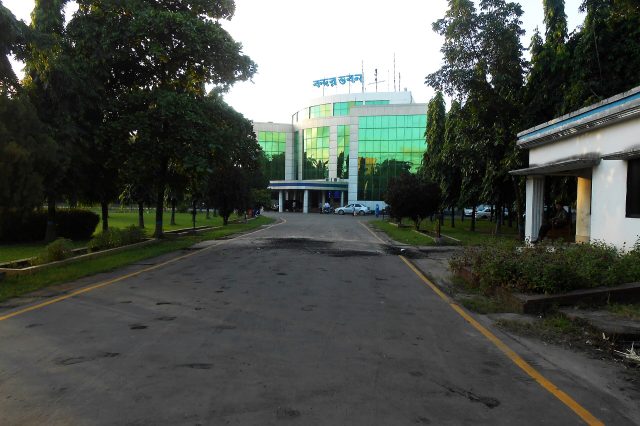
The Ethnological Museum in Chittagong is one of those quiet places where the true spirit of Bangladesh reveals itself—not through grand displays or crowded tourist spots, but through the small, carefully preserved details of everyday life. Tucked away in the Agrabad neighborhood, far from the city’s bustling markets and traffic, the museum feels like a step into another time. There are no flashy signs or guided tour groups here, just a modest building where each object tells a story, and the air carries the weight of traditions that have shaped the country’s many communities.
Founded in 1965, the museum began as a research center dedicated to documenting the cultures of Bangladesh’s ethnic groups. At the time, the nation was still finding its footing after independence, and the museum was an attempt to safeguard traditions that risked fading under the pressures of modernization. Today, its collection spans thousands of items, though the real value lies not in sheer numbers but in the care taken to preserve them. There are no high-tech exhibits or interactive displays—just authentic artifacts gathered from across the country, each with its own history.
The museum’s halls showcase the diversity of Bangladesh’s ethnic communities, from the Chakma and Marma to the Garo and Santal. Traditional clothing, jewelry, tools, and household items fill the rooms, offering a glimpse into the daily lives of these groups. One of the most striking features is the collection of life-sized models of homes—from simple bamboo huts to stilt houses—recreating the living conditions of people in the country’s hills and forests. These displays do more than illustrate architectural styles; they show how communities adapted to their environments, whether in the humid jungles of the Chittagong Hill Tracts or the arid plains of the north.
Music holds a special place in the museum’s collection. A variety of instruments—flutes, drums, and stringed tools—are on display, each with its own unique sound and purpose. Some are used only in religious ceremonies, while others accompany everyday life. Nearby, photographs and illustrations explain their significance, revealing how music is woven into rituals that pass down knowledge through generations. For many of these communities, music isn’t just entertainment; it’s a living tradition that connects the past to the present.
A separate section is devoted to traditional crafts, where visitors can see looms, pottery wheels, and tools for wood and metalwork. The handwoven textiles are particularly impressive, with intricate patterns dyed using natural pigments. Some designs are so complex that a single piece of fabric can take months to complete. These exhibits serve as a reminder that many of Bangladesh’s crafts are still practiced today, though they face challenges from industrialization. The museum doesn’t just display these items; it honors the skill and patience behind them.
Beyond its permanent collection, the museum plays an active role in preserving cultural heritage. It hosts lectures, workshops, and temporary exhibitions on ethnography and anthropology, often drawing students and researchers. For many young visitors, it’s a rare opportunity to learn about a way of life far removed from their own—one where ancient customs still shape weddings, festivals, and daily routines. The museum doesn’t just document these traditions; it keeps them alive in the minds of new generations.
A visit here is a slow, thoughtful experience. There’s no rush, no crowds, just the quiet chance to linger over details—a carved wooden tool, a woven basket, a ceremonial mask. Each object feels like a piece of someone’s life, a fragment of a culture that might otherwise be forgotten. The museum doesn’t demand attention; it invites curiosity, encouraging visitors to look closer, to wonder about the hands that made these things and the lives they touched.
This isn’t a place for snapshots or quick visits. The Ethnological Museum in Chittagong is for those who want to understand Bangladesh beyond its cities and rivers—to see the country through the eyes of its many communities. It doesn’t claim to be the most famous attraction, but it offers something far more valuable: a chance to see the nation’s cultural richness in its most authentic form. In a world where traditions are often overshadowed by progress, this museum stands as a quiet guardian of the past, reminding visitors that a country’s identity is shaped by more than just its modern face.