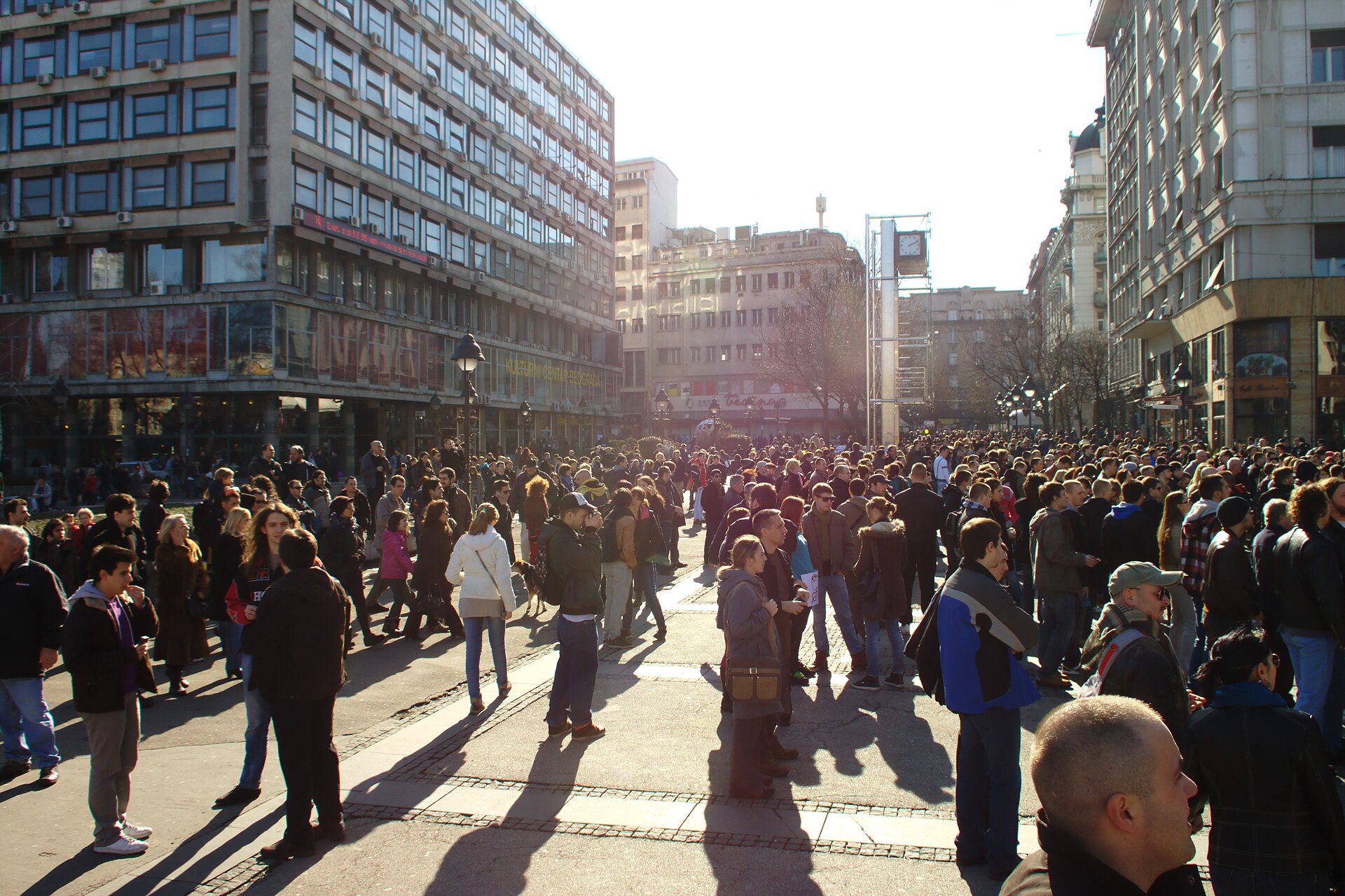
Republic Square in Bogatić is one of those quiet, unassuming places that feels more like a living room for the town than a grand public space. It’s not the kind of square you’d find in tourist brochures, with towering monuments or ornate fountains, but that’s part of its charm. Here, the rhythm of daily life unfolds without pretense—locals stopping for coffee, children playing near the benches, and the occasional market stall selling fresh produce or handmade crafts. The square is small enough that you can take it all in with a single glance, yet it carries the weight of the town’s history in its worn cobblestones and the faded facades of the buildings that surround it.
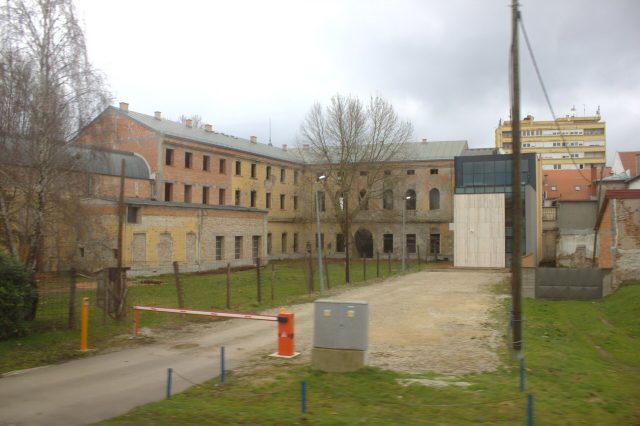
The architecture here is a mix of styles that tell the story of Bogatić’s past. Many of the buildings date back to the late 19th and early 20th centuries, when the town was part of the Austro-Hungarian Empire. Their facades are modest but elegant, with high ceilings, arched windows, and the occasional decorative molding that hints at a time when even small towns aspired to a certain grandeur. Some structures have been renovated over the years, their fresh paint and repaired shutters blending with the older, weathered ones that have stood unchanged for decades. The square itself is paved with uneven stones, their patterns disrupted by time and use, giving it a texture that feels both authentic and lived-in.
At the heart of the square stands a simple monument, a reminder of the town’s role in Serbia’s turbulent history. It’s not an imposing statue, but a modest tribute to those who fought in the wars that shaped the region. The names inscribed on it are mostly forgotten by outsiders, but for the people of Bogatić, they represent a connection to the past—a past that isn’t just remembered in textbooks but in the stories passed down through generations. The monument is often adorned with fresh flowers, left by families who still feel the weight of those events in their daily lives.
The square is also a place where the town gathers for its small but meaningful events. On weekends, you might find a local festival, with music drifting from a makeshift stage and the smell of grilled meat filling the air. During the holidays, the square is decorated with lights and garlands, transforming it into a festive hub where neighbors exchange greetings and children chase each other in circles. These moments are unscripted and unpolished, the kind of gatherings that don’t make it into travel guides but are the essence of what makes a place feel like home.
One of the most striking things about Republic Square is how it reflects the slower pace of life in this part of Serbia. There’s no rush here, no sense of urgency. People sit on benches for hours, sipping coffee from small cups, their conversations meandering from the weather to family news to the latest gossip. The cafes that line the square are simple affairs, with plastic chairs and tables set out on the pavement, but they’re the kind of places where everyone knows your name. The coffee is strong, the service unhurried, and the atmosphere one of quiet camaraderie.
The square is also a gateway to the rest of Bogatić. From here, narrow streets branch out in all directions, leading to the town’s churches, shops, and residential areas. Walking away from the square, you’ll find yourself in neighborhoods where time seems to have stood still. Houses with wooden shutters and gardens overflowing with flowers line the streets, and the sound of church bells echoes through the air on Sunday mornings. It’s a town that doesn’t try to impress, but its authenticity is its greatest strength.
For visitors, Republic Square offers a glimpse into the soul of a Serbian town that has managed to preserve its identity despite the changes of the modern world. It’s not a place you’d come to for grand sights or Instagram-worthy backdrops, but for the quiet moments that make travel meaningful. Whether it’s watching an elderly couple share a bench in the afternoon sun or striking up a conversation with a shopkeeper who insists on giving you a free sample of local honey, the square has a way of making you feel like you’ve stumbled upon something real.
In the end, Republic Square is what it has always been—a place for the people of Bogatić to live, to remember, and to connect. It’s not trying to be anything more than that, and that’s exactly why it works. For those who take the time to sit and observe, it offers a rare chance to see Serbia not as a destination, but as a way of life.