Bogatić is a small town in western Serbia, not far from the Drina River, where time seems to move at its own unhurried pace. It’s the kind of place where life still revolves around the rhythm of the seasons, where people greet each other by name on the streets, and where the past isn’t just remembered—it’s lived alongside the present. The local museum, though modest in size, offers a quiet but revealing glimpse into this way of life, one that has persisted through centuries of change.
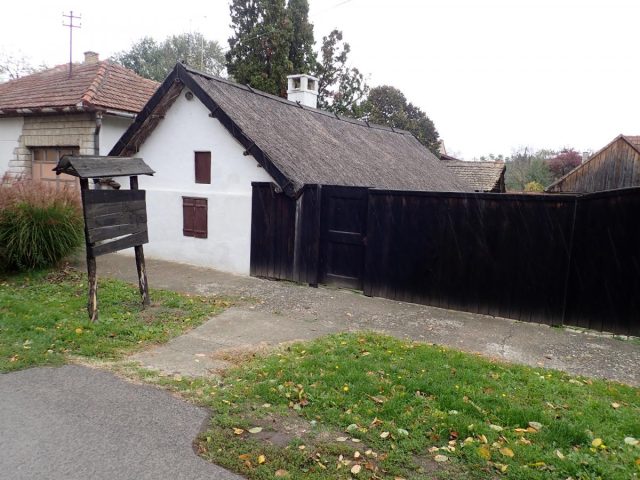
Housed in a low, whitewashed building that blends seamlessly with the town’s older architecture, the museum feels more like a well-kept home than a formal institution. The structure itself is unassuming, with a simple gabled roof and wooden shutters, a style common to the rural houses of the Mačva region. Inside, the space is divided into a few small rooms, each dedicated to a different aspect of local history and culture. There’s no grand entrance or imposing display cases—just a sense of stepping into someone’s carefully preserved memories.
The exhibits focus on the everyday lives of the people who have called this part of Serbia home. Tools used by farmers, blacksmiths, and weavers tell the story of a community that once relied on craftsmanship and manual labor. There are wooden plows, hand-forged sickles, and looms that speak to a time when self-sufficiency was a necessity, not a choice. Nearby, household items—clay pots, embroidered linens, and hand-carved furniture—paint a picture of domestic life, where even the simplest objects were made with care and passed down through generations.
One of the most striking sections of the museum is dedicated to traditional clothing. The intricate patterns of the embroidery, the rich colors of the wool, and the delicate lacework reveal a deep connection to regional identity. These aren’t just costumes; they’re garments worn for weddings, festivals, and religious ceremonies, each stitch carrying meaning. The museum explains how certain colors and motifs were tied to specific villages or even families, a silent language of belonging that has slowly faded but hasn’t entirely disappeared.
History here isn’t confined to dusty artifacts. The museum also documents the turbulent 20th century, when Bogatić, like much of Serbia, found itself caught between empires and ideologies. Photographs and documents recount the impact of World War I and II, the shifts in political power, and the slow modernization that followed. There’s a particular focus on the Drina River, which has long been both a lifeline and a boundary for the region. The river’s role in trade, agriculture, and even conflict is woven into the narrative, reminding visitors that geography has always shaped the fate of this land.
What makes the museum in Bogatić special isn’t just what it displays, but how it displays it. There’s a warmth to the presentation, as if the curators wanted visitors to feel the weight of these objects in their hands, to imagine the hands that once held them. The labels are written in a straightforward, almost conversational tone, avoiding the dry academic language that can make smaller museums feel impersonal. It’s clear that this place was created not just to preserve history, but to keep it alive in the minds of those who still call Bogatić home.
Outside the museum, the town itself offers a living extension of what’s inside. The streets are lined with houses built in the same style as the one housing the exhibits—low, sturdy, and practical. The local market, held a few times a week, is where you’ll find some of the same crafts and foods that appear in the museum’s displays. Old men play backgammon in the shade of the plane trees, while women sell homemade ajvar and rakija from stalls. It’s a place where the past isn’t just remembered; it’s still part of the daily rhythm.
For those passing through, the museum in Bogatić might seem like a minor stop, but that’s part of its charm. It doesn’t demand attention or claim to be anything more than it is—a small, honest record of a place and its people. In an age where so much of travel is about ticking off landmarks and chasing the next big experience, Bogatić offers something quieter. It’s a reminder that history isn’t always grand or dramatic; sometimes, it’s just the slow accumulation of ordinary lives, told through the things they left behind.