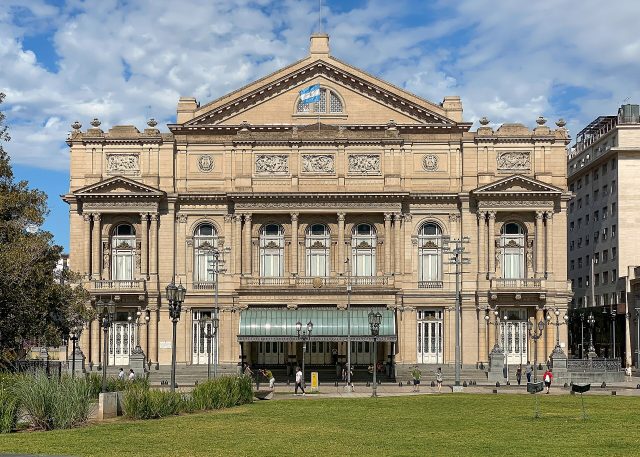
Plaza de Mayo: Where Buenos Aires Breathes Its History
Plaza de Mayo has been the city’s political and social core since 1580. It’s where Argentina’s independence was declared, where revolutions began, and where protests still shake the ground. Stand here, and you’re standing on layers of history—each cobblestone holds a story.
The buildings around the plaza don’t just frame the space; they’re characters in Argentina’s narrative.
To the east, the Casa Rosada—Argentina’s presidential palace—glows pink in daylight. The color, legend says, came from mixing the red of one political faction with the white of another. Across from it, the Metropolitan Cathedral houses the tomb of General José de San Martín, the man who led Argentina to freedom. His grave is simple: a marble slab, a guard changing shifts every hour, and silence.
The Cabildo, a colonial-era town hall, is the only 18th-century building left in the plaza. Inside, its museum holds maps, documents, and artifacts from Buenos Aires’ early days. The exhibits are small, but the building itself—a whitewashed structure with arched galleries—is the real draw.
At the center of the plaza, the Pirámide de Mayo stands. Built in 1811 to mark the first anniversary of the May Revolution, it’s just a stone obelisk, but it’s become a symbol of resistance. For decades, the Mothers of Plaza de Mayo have marched around it every Thursday. Their children vanished during the dictatorship, and they still demand answers, wearing white headscarves. The scarves are now part of the plaza’s pavement—a permanent mark of their fight.
The square is always open. On quiet days, it’s a place to wander, to watch pigeons scatter, or to cut through on your way somewhere else. But when protests erupt, the energy changes. Barricades go up, crowds swell, and the air fills with chants. Even if you don’t speak Spanish, you’ll feel it.
The cathedral is open during the day. Inside, the tomb of San Martín draws visitors, but the rest of the space—high ceilings, stained glass, and ornate altars—offers a quiet escape from the city’s noise.
Just off the plaza, Calle Florida begins. It’s a pedestrian street packed with shops, cafés, and street performers. The cafés around the square are pricier than those a few blocks away, but sitting here lets you watch the plaza’s rhythms: office workers rushing past, students lounging on the steps, the occasional protest winding around the Pirámide.
The Cabildo’s museum is small. If you’re curious about colonial history, it’s worth a quick visit, but the real reason to go is the building itself—its wooden balconies and arched galleries are rare survivors of Buenos Aires’ past.
At night, the plaza empties. The Casa Rosada glows under streetlights, and the cathedral’s columns stand like silent guards. It’s a different place then—quieter, more intimate. A good time to walk, to think, or just to listen to the echoes of the day.
Plaza de Mayo isn’t just a tourist stop. It’s where history isn’t just remembered—it’s lived. Come for the protests, the monuments, or the people-watching. But don’t expect to leave unchanged.