Perekalsky Square is one of those places in Kursk where life moves at its own unhurried pace, carrying a quiet charm that reveals itself slowly. Tucked away in the historic center, not far from the city’s main landmarks, it doesn’t immediately catch the eye. Instead, it invites you to linger, to notice the small details—the way the light filters through the old trees, the easy conversations of locals on benches, the faint breeze that even on the warmest days brings a touch of coolness. There are no crowds here, no tourist hustle, just the steady rhythm of a provincial city going about its day.
The square takes its name from Semyon Perekalsky, a Kursk revolutionary and Civil War figure whose legacy is still remembered in the city. Yet the story of this place stretches far beyond those turbulent years. In the 19th century, this was the site of the city’s bustling market, where farmers, merchants, and townspeople gathered to trade everything from fresh produce to fabrics and household goods. The air would have been filled with the sounds of bargaining, the clatter of carts, and the hum of daily commerce. Over time, the market moved elsewhere, and the square took on a more formal appearance, though it never lost its connection to the everyday life of the city.
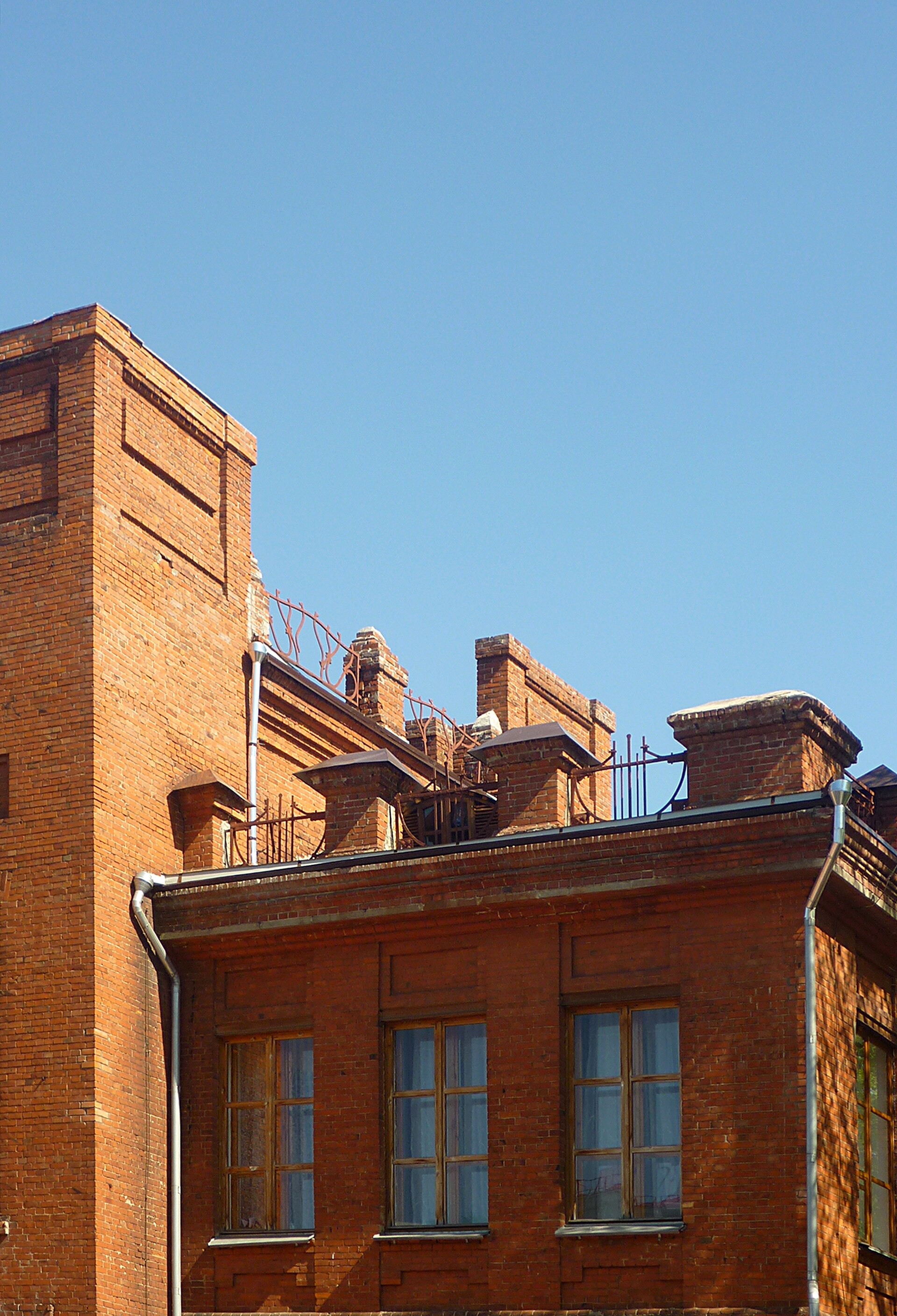
The architecture surrounding Perekalsky Square is a patchwork of different eras, much like Kursk itself. Low-slung merchant houses with intricate window frames stand alongside Soviet-era apartment blocks and more recent constructions. One building that stands out is the former women’s gymnasium, built in the early 20th century. Its facade is adorned with delicate stucco work and tall windows, a reminder of a time when the halls inside echoed with the voices of students. Today, it houses administrative offices, but its presence speaks to Kursk’s long-standing tradition of valuing education.
At the center of the square, a modest but striking monument to Perekalsky looks out over the space. The bronze figure of the revolutionary seems to watch over the city as it changes with the years. Nearby, flowerbeds bloom in summer and turn to snow-covered mounds in winter, adding a touch of seasonal beauty. The square is a favorite spot for locals—parents bring their children to the small playground, where swings creak gently in the breeze, and people sit on benches, watching the world go by.
This isn’t a place that draws visitors with grand sights or dramatic stories. Instead, it offers something quieter: a glimpse into the ordinary life of the city. Here, people meet friends, walk their dogs, rush to work, or simply sit and watch the seasons change. In summer, small fairs and concerts take place, while winter brings festive celebrations with a decorated tree and ice slides. Nothing here is flashy or overdone—just the simple, unassuming rhythm of Kursk.
In recent years, the square has seen subtle improvements—smooth pathways, bike racks, modern streetlights—signs of a city evolving while trying to hold onto its character. Perekalsky Square is a perfect example of how change can make a place more comfortable without erasing its soul. It still feels like the Kursk of old, the one long-time residents remember and newcomers slowly come to appreciate.
A short walk from the square leads to Lenin Street, where the city pulses with energy—cafes buzz, shops hum, and music spills onto the sidewalks. But returning to Perekalsky Square feels like stepping into a different pace of life. The noise fades, and time seems to slow down. Perhaps that’s why locals love it so much. It doesn’t demand attention or admiration. It simply exists, a quiet corner of the city where history and everyday life blend seamlessly, where the past and present coexist without fanfare.