Lebanon’s modern history took a turn here. In November 1943, French mandate authorities released nationalist leaders from a nearby prison. The declaration of independence followed in this mountain square. For a few days, Rachaya became the center of a nation’s future.
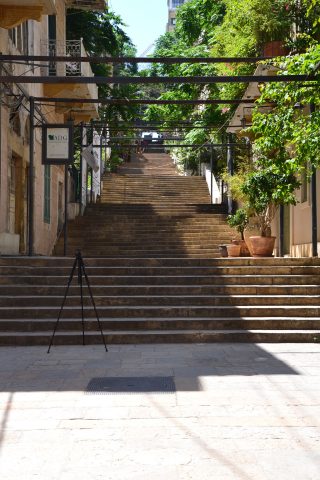
The square is small—more a widening in the old city’s labyrinth of stone-paved alleys than a grand public space. The buildings around it haven’t changed since 1943: low, weathered structures with red-tiled roofs, arched windows, and thick walls built for mountain winters. No grand monuments mark the occasion. A modest obelisk stands at the center, its plaque noting what happened. The trees around it are old enough to have witnessed those days, their branches shading benches where locals gather.
What makes the square feel alive?
In the mornings, elderly men play backgammon under the trees, the clatter of dice mixing with conversation. By afternoon, children kick a worn football across the uneven stones. In the evenings, teenagers laugh over shared jokes or scroll through their phones. On weekends, the square might host a political rally or a local concert. Most days, it’s just a place to sit, talk, or watch the world go by.
Rachaya isn’t polished for tourists. No souvenir stalls or trendy cafés line its streets—just family-run shops selling olive oil, spices, and honey. The air smells of pine and woodsmoke. The only sounds are the call to prayer from a nearby mosque or a café owner setting out chairs for the evening. Independence Square sits at the heart of this old quarter. From here, you can wander alleys where laundry hangs between buildings or stop at a bakery where the scent of fresh mana’eesh fills the air.
The town’s mountain location gives it a different rhythm. Rachaya is surrounded by forests and peaks, with trails leading to hidden monasteries and viewpoints. Nearby, the Horsh Ehden Nature Reserve protects rare cedars and wildlife. The square feels like the gateway to these quieter parts of the country. It’s where the road splits—one way leading deeper into the mountains, the other back toward the coast.
Lebanon’s struggles have touched Rachaya. The economic crisis has made life harder. Yet the square remains a place of resilience. On difficult days, people come to share news, vent frustrations, or sit in silence. This space, which has seen so much change, will endure whatever comes next. It’s not just a monument to the past but a living part of the town’s identity—where history continues.
For visitors, Independence Square offers a different kind of experience. No guided tours explain its significance. You absorb it slowly: watch how the light changes over the stone buildings, listen to the voices of the people who call this place home. History isn’t always about grand gestures. Sometimes, it’s about a small square in a mountain town, where the past meets everyday life.
The square doesn’t demand attention. The stories it holds are in the cracks of its pavement, the way sunlight slants across its stones in the late afternoon, the laughter of children playing where others once declared a nation’s freedom. Sit here, and it becomes more than a historical footnote. It’s a place to reflect on what independence means—not just for a country, but for the people who live within its borders. For Rachaya’s residents, it’s home—where past and present exist side by side, as natural as the mountains around them.