Lenin Square is where Makhachkala’s daily rhythm meets its past. At the heart of Dagestan’s capital, where the main streets converge, it has been a gathering point for decades. On ordinary days, people meet here, stroll, or browse stalls selling homemade preserves, fresh fruit, and Dagestani sweets—especially on weekends. On holidays, concerts, rallies, and public events fill the space.
The square’s most recognizable feature is the statue of Lenin on a tall pedestal. Around it, a small park offers shade under trees where people relax. The buildings reflect different eras: Stalinist architecture stands alongside modern office complexes. This mix gives the place its character—historical yet part of everyday life.
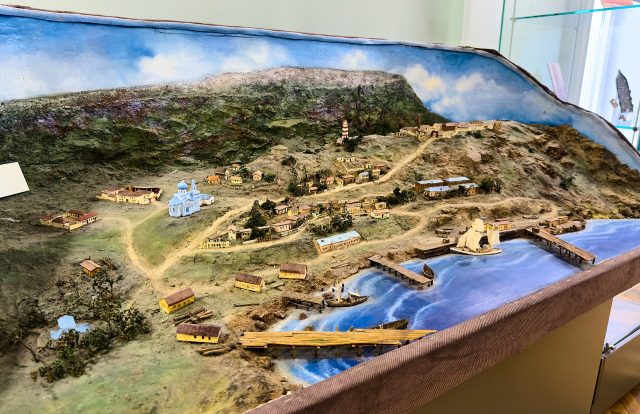
The square’s history is tied to Makhachkala’s growth. In the early 20th century, this area was on the outskirts of Port-Petrovsk. After the revolution, it became the focal point of the new Soviet administrative center. Parades, demonstrations, and political gatherings shaped the region’s identity. Over time, it became more than a political symbol—it turned into a place where past and present coexist.
Today, the square is still alive. Retirees walk the paths, young people sit on benches with coffee, and children play near the fountain. In warmer months, open-air cafes and street musicians add to the atmosphere. In winter, a festive tree marks New Year celebrations.
Across from the Lenin statue stands the Government House of the Republic of Dagestan, an imposing structure with columns. Nearby, the Opera and Ballet Theater, with its classical design, reflects a time when the arts were central to public life. Modern hotels and shopping centers blend into the square’s mix without overshadowing its history.
For many in Makhachkala, Lenin Square holds personal memories. Some recall childhood visits during May Day parades, others remember first dates here. On weekends, it turns into a market where you can find fresh cheese, churchkhela, and Dagestani carpets.
The square has outgrown its political significance. It now embodies Makhachkala’s spirit—diverse, energetic, and rooted in tradition. It doesn’t try to be perfect; it simply exists as part of daily life.
If you’re in Makhachkala, visit Lenin Square. Walk its paths, look at the statue, stop by a café, or sit on a bench and watch the city breathe. It’s not a museum—it’s where history and everyday life meet.