The Dagestan State United Historical and Architectural Museum in Makhachkala is one of those rare places where time seems to slow down, allowing visitors to step into the layered past of a region shaped by mountains and sea. This is not just a collection of artifacts but a carefully woven narrative of a land where dozens of cultures have intersected over centuries. The museum itself is housed in a building that feels like a piece of history—constructed in the mid-20th century, its architecture is understated yet striking, with high ceilings, spacious halls, and large windows that bathe the exhibits in soft, natural light.
The museum’s archaeological section is one of its most compelling. Here, visitors can see objects unearthed from ancient settlements that thrived in the Bronze Age. Pottery, tools, and jewelry are more than just relics; they offer a glimpse into the daily lives, beliefs, and crafts of people who lived thousands of years ago. Among the most fascinating finds are those from Derbent, one of the world’s oldest continuously inhabited cities, where layers of history stack like pages of an ancient manuscript. Each artifact tells a story of survival, adaptation, and the enduring connection between people and their land.
The ethnographic exhibits transport visitors to a more recent past, when Dagestan was a mosaic of ethnic groups, each with its own traditions, clothing, and way of life. The museum showcases intricately embroidered national costumes of the Avars, Dargins, Kumyks, Lezgins, and other peoples, each stitch reflecting generations of skill and cultural pride. Nearby, everyday objects—handwoven carpets, pottery, and tools—paint a vivid picture of life in the mountains and plains. Comparing items from different eras reveals how traditions evolved, whether in the design of daggers or the patterns on fabrics, mirroring broader societal changes.
Dagestan has long been known as a land of warriors, and the museum’s weapon collection is a testament to that legacy. The exhibits feature finely crafted blades—daggers, sabers, and swords—each unique, adorned with intricate engravings, inlays, and handles made from precious materials. Some pieces belonged to historical figures, while others were passed down as family heirlooms, their edges still sharp with stories. Alongside the weapons, suits of armor offer a sense of how warriors once protected themselves in battle. Together, these exhibits don’t just display history; they make it feel tangible, almost alive.
While much of the museum is dedicated to the past, it also explores Dagestan’s more recent history. Exhibits on the 20th century highlight the region’s development in industry, culture, and education, both during the Soviet era and after. Photographs, documents, and personal items belonging to notable figures from Dagestan provide insight into how the republic navigated rapid change while preserving its identity. It’s fascinating to see how traditional crafts and customs adapted, finding new forms without losing their essence.
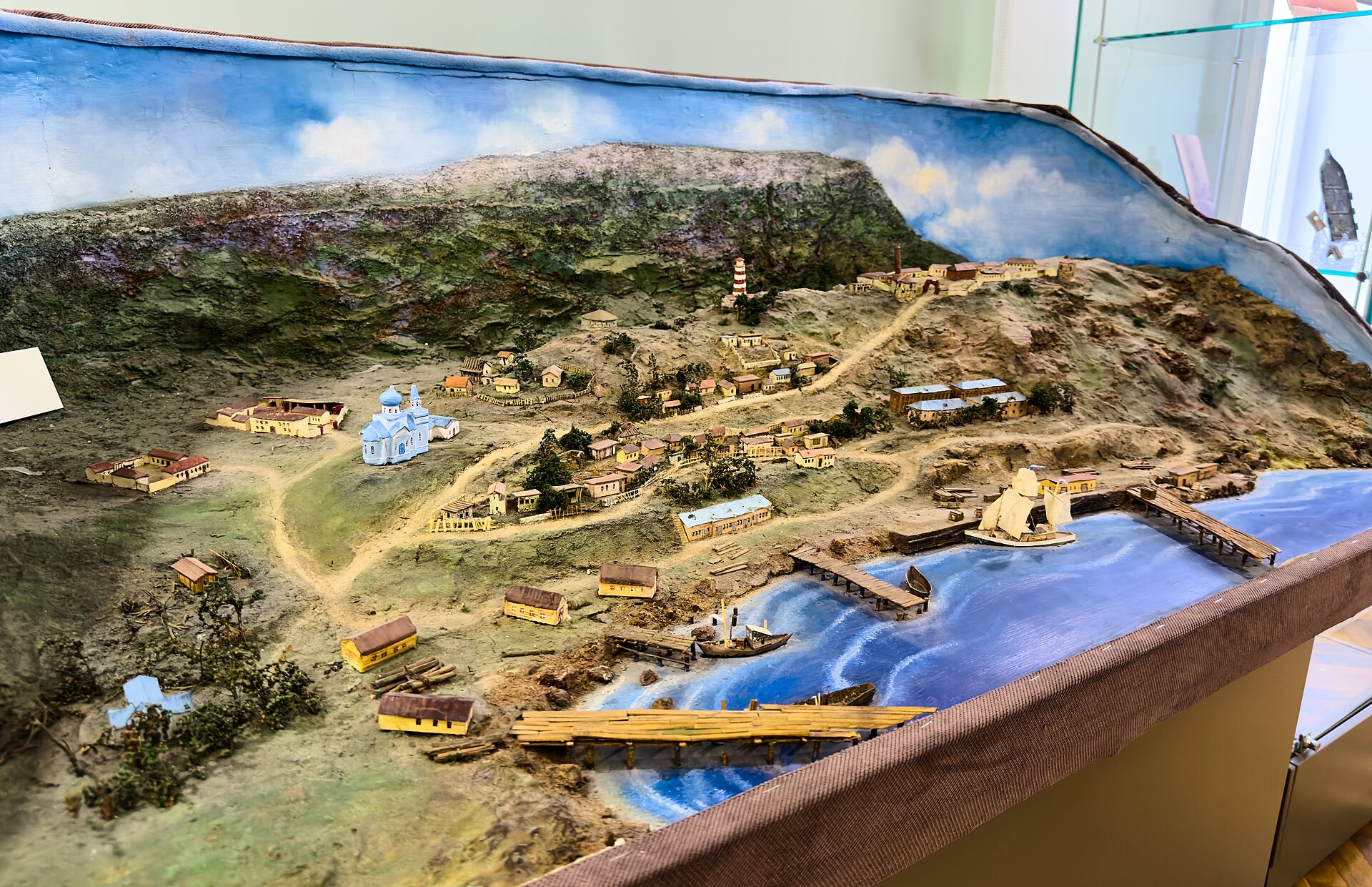
The architectural section of the museum offers another perspective on Dagestan’s heritage. Models and blueprints of ancient towers, mosques, and fortresses—some still standing, others lost to time—reveal how these structures once dominated the landscape. The models of mountain villages are particularly striking, with houses clinging to cliffs and narrow streets winding between them, creating a sense of harmony between human settlement and rugged terrain. These exhibits help visitors imagine what life was like in a place where every building had a purpose, whether for defense, worship, or community.
A visit to the museum is more than just a tour; it’s an immersion in a world where every detail matters. There are no random artifacts here—each piece has been chosen to contribute to a larger story. Even the quiet of the halls feels intentional, allowing visitors to reflect on what they’re seeing. The museum doesn’t rely on grandeur or spectacle; its strength lies in its authenticity. It doesn’t dictate how you should feel but invites you to discover something meaningful for yourself.
For anyone seeking to understand Dagestan, this museum is essential. There’s no pomp or exaggeration, just a quiet confidence in the power of its exhibits. History isn’t just preserved here; it’s kept alive, reminding visitors that the past isn’t distant or abstract but a living part of the present. Leaving the museum, you realize that Dagestan is more than its landscapes—it’s the people who, over centuries, have shaped this extraordinary land into what it is today.