Independence Square in David is one of those places where the city reveals itself quietly, without fanfare. Nestled in the heart of Chiriquí’s provincial capital, it’s a space that feels both lived-in and unhurried, where the past and present coexist without effort. The square isn’t large—its modest size is part of its charm—but it’s the kind of place where life unfolds at its own pace. Tall trees cast dappled shade over the pavement, their leaves rustling in the warm breeze, while in the center, a monument stands as a quiet reminder of the country’s hard-won freedom. Locals pass by without ceremony, yet there’s a sense of pride in how they treat this spot, as if it’s not just a public space but a shared piece of their history.
David itself has always been a city of movement. Founded in the mid-16th century, it started as a small settlement before growing into a key trading hub in western Panama. Independence Square emerged naturally as the city’s gathering point, a place where merchants, farmers, and townspeople would converge to exchange news, goods, and stories. In the 19th century, when Panama was fighting first for independence from Spain and later from Colombia, the square became a stage for rallies and debates that shaped the nation’s future. Even today, you can almost hear the echoes of those conversations in the way people linger here, as if the square still holds the weight of those decisions.
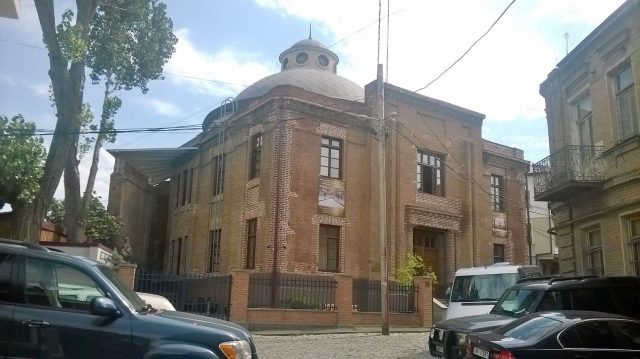
The buildings around the square are unassuming but full of character. There are no grand cathedrals or colonial palaces like in Panama City—just simple, well-worn structures that tell a different kind of story. Most are one or two stories tall, their facades painted in soft hues of blue, beige, or pale green, the colors faded just enough to feel authentic. Many date back to the early 20th century, when David’s economy boomed thanks to coffee, bananas, and trade. Wooden shutters frame the windows, wrought-iron balconies jut out over the sidewalks, and the occasional potted plant adds a touch of life to the scene. It’s the kind of architecture that doesn’t demand attention but rewards those who take the time to notice.
At the center of the square, the independence monument is more than just a statue—it’s a focal point for the community. Erected in the mid-20th century, it honors those who fought for Panama’s sovereignty, though by then the country had already secured its freedom. The figure on the pedestal is strong and resolute, a symbol of the determination that defined that era. On ordinary days, people sit on the benches around it, chatting or watching the world go by. On holidays, the square comes alive with small concerts, school performances, or impromptu gatherings, the air filled with music and laughter. For a moment, the monument isn’t just a relic of the past but a living part of the city’s rhythm.
The square changes with the hours. Mornings are quiet, the air still cool as office workers hurry past and the occasional tourist wanders by, coffee in hand. By midday, the pace picks up—cafés open their doors, vendors set up stalls with fresh fruit or empanadas, and the scent of roasting coffee beans drifts from nearby shops. Evenings are when the square truly comes into its own. Teenagers gather in groups, old men play dominoes at the tables under the trees, and families stroll along the paths, the children darting between the shadows. There’s no rush, no agenda—just the easy flow of life in a place where people still take time to connect.
For visitors, Independence Square offers a glimpse into the real David, far removed from the tourist trails of Panama City. There are no crowds here, no polished attractions vying for attention. Instead, it’s a place where you can sit at a café, order a cup of locally grown coffee, and watch the city unfold around you. The coffee, rich and slightly bitter, is a reminder of the fertile highlands just beyond the city, where the beans are cultivated. Or you can simply take a seat on one of the benches and listen to the hum of conversation, the occasional burst of laughter, the clink of dominoes—small sounds that add up to something far greater than the sum of their parts.
Just a short walk from the square, there are a few other spots worth exploring. The Church of San José, a modest but charming building from the early 1900s, offers a quiet respite from the heat. Inside, the air is cool and still, the wooden pews worn smooth by generations of worshippers. Nearby, the local market is a sensory overload in the best way—stalls overflowing with tropical fruits, handwoven baskets, and the sharp tang of fresh herbs. You can pick up a Panama hat or a bag made from palm fiber, or try a bowl of *sancocho*, the hearty chicken soup that’s a staple of the region. The market isn’t just a place to shop; it’s where you’ll find the flavors and crafts that define daily life in Chiriquí.
What makes Independence Square special isn’t anything grand or dramatic. It doesn’t have the wow factor of a famous landmark or the curated charm of a historic district. Instead, it’s the kind of place that feels like it’s always been here, as if it grew organically from the needs of the people who call David home. It’s where history isn’t just preserved in monuments but lived in the way people move through the space, in the conversations they have, in the way they pause to greet a neighbor or watch the sunset. For travelers who want to understand Panama beyond its beaches and rainforests, this square is a quiet revelation—a place where the country’s past and present intersect in the most ordinary, yet profound, ways.