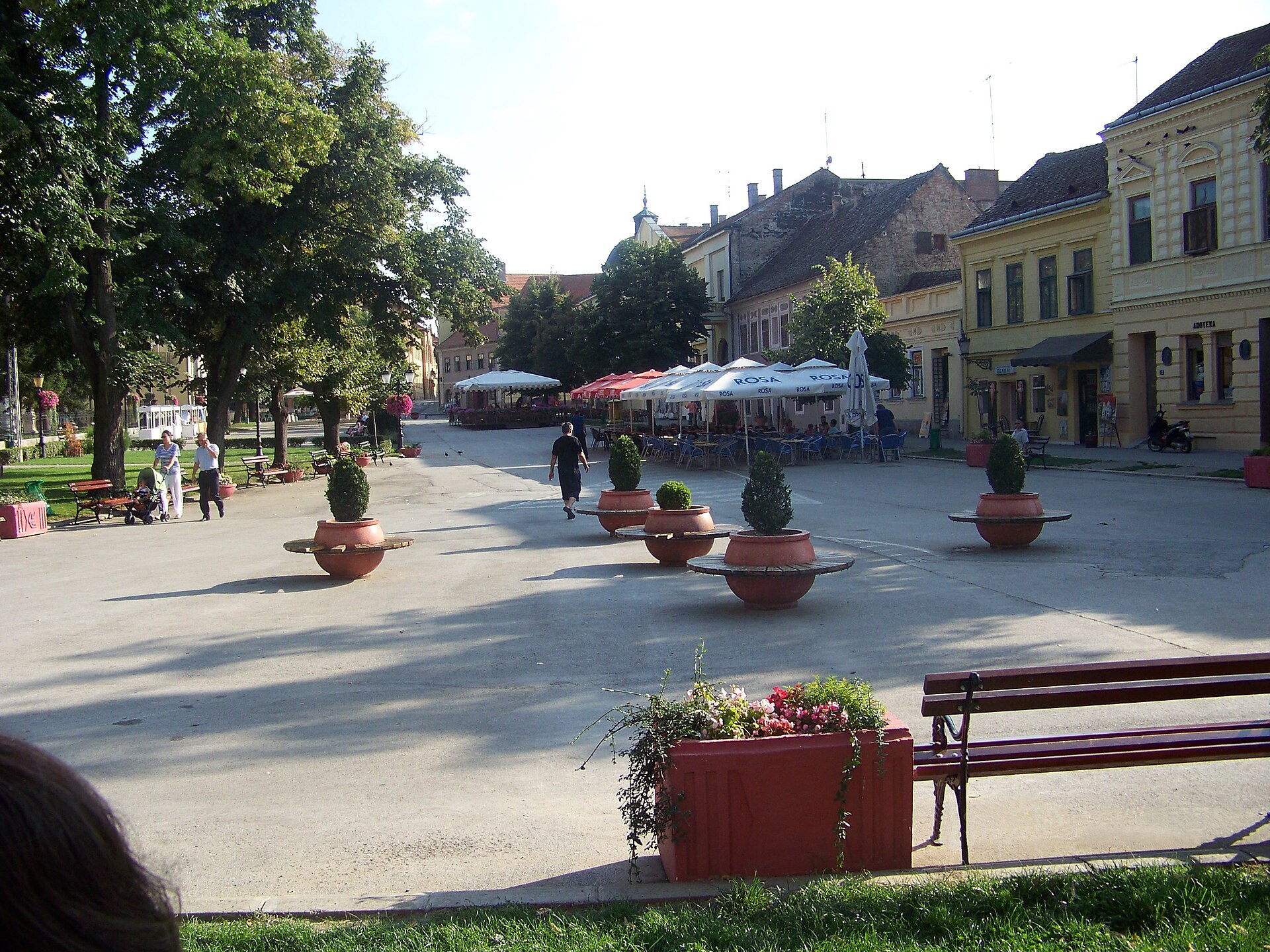
Branko Radičević Square in Sremski Karlovci is one of those rare places where time seems to pause, allowing the weight of history to settle around you. Unlike the bustling central squares of larger cities, this one carries a quiet dignity, broken only by the occasional footsteps of passersby or the murmur of locals going about their day. It’s small enough to feel intimate, as if you’ve stepped into a familiar corner of the past where everything has its place and purpose.
At the heart of the square stands a modest monument to Branko Radičević, the 19th-century Serbian poet whose name it bears. Radičević was more than just a literary figure—he became a symbol of national awakening at a time when Serbia was shaping its identity. His poetry, filled with romanticism and love for the homeland, remains a staple in schools, and the monument captures him in a moment of quiet reflection, as if pondering the fate of his people. Visitors often leave fresh flowers at the base, especially on days commemorating his life, a small but telling gesture of how deeply he’s still remembered.
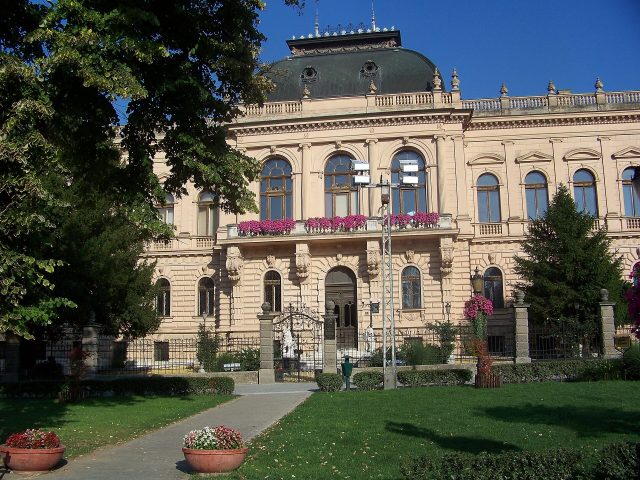
The architecture surrounding the square tells its own story, layering centuries of history into a single space. The most striking building is the Karlovci Gymnasium, founded in the 18th century and one of the oldest schools in Serbia. Its pale yellow facade, framed by white columns and tall windows, exudes a sense of scholarly gravity, though there’s a certain elegance to its simplicity. Nearby, the former residence of the Serbian Orthodox Patriarchate stands as a testament to the Baroque era, its ornate details and symmetrical design still commanding attention despite now serving administrative purposes. Together, these buildings create a backdrop that feels both grand and unassuming, as if the square itself is a stage for history’s quiet dramas.
The low-rise houses encircling the square date back to the 18th and 19th centuries, their pastel facades—soft blues, creams, and yellows—blending seamlessly into the scene. Some still bear the names of their original owners or the years they were built, while others feature delicate wooden balconies that hint at the craftsmanship of a bygone era. In warmer months, cafes spill out onto the square, their tables filling with students from the gymnasium, locals catching up over coffee, and the occasional traveler soaking in the atmosphere. It’s a place where life unfolds at its own pace, unhurried and unpretentious.
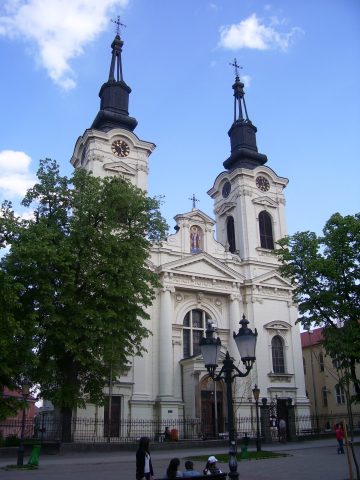
Sremski Karlovci has long been a crossroads of Serbian history, and this square lies at its very core. In the 18th century, it was here that the Karlovci Metropolitanate held its sessions, playing a crucial role in preserving Orthodox faith and Serbian culture during Ottoman rule. Later, in the 19th century, the square became a gathering place for students, writers, and activists debating the country’s future. Today, those echoes of the past linger in the air, reinforced by the memorial plaques on the buildings and the way the space itself seems to hold its breath, as if waiting for the next chapter to unfold.
What makes the square special is how effortlessly it weaves together the threads of history, architecture, and everyday life. Just steps from the gymnasium, a small park offers shade where students lounge between classes, while around the corner, an old pharmacy—still operating after more than two centuries—retains its early 20th-century interior. These details give the square a lived-in feel, far removed from the polished veneer of typical tourist spots. It’s a place where the past isn’t just preserved but actively part of the present, where a stroll down the cobblestones feels like stepping into a story that’s still being written.
The square changes with the seasons, each one bringing its own mood. In spring, the chestnut trees bloom, casting dappled shadows over the pavement, while summer brings small festivals and open-air concerts that fill the air with music. Autumn turns the leaves gold, and winter, when snow dusts the rooftops, transforms the square into something out of a fairy tale—especially in the weeks leading up to Christmas. It’s in these moments that Sremski Karlovci reveals why it’s often called one of the most beautiful towns in Vojvodina, a place where beauty isn’t grand but deeply felt.
There’s no need to rush here. You could spend an hour on a bench, watching the world go by, or linger for a day, exploring the museums, cafes, and hidden shops tucked into the side streets. The town doesn’t try to impress with size or spectacle; its charm lies in its quiet confidence, in the way it invites you to slow down and notice the details. It’s as if the square itself is whispering: look closer, listen harder. And if you do, you might just catch the faintest echo of the voices that have passed through here over the centuries.