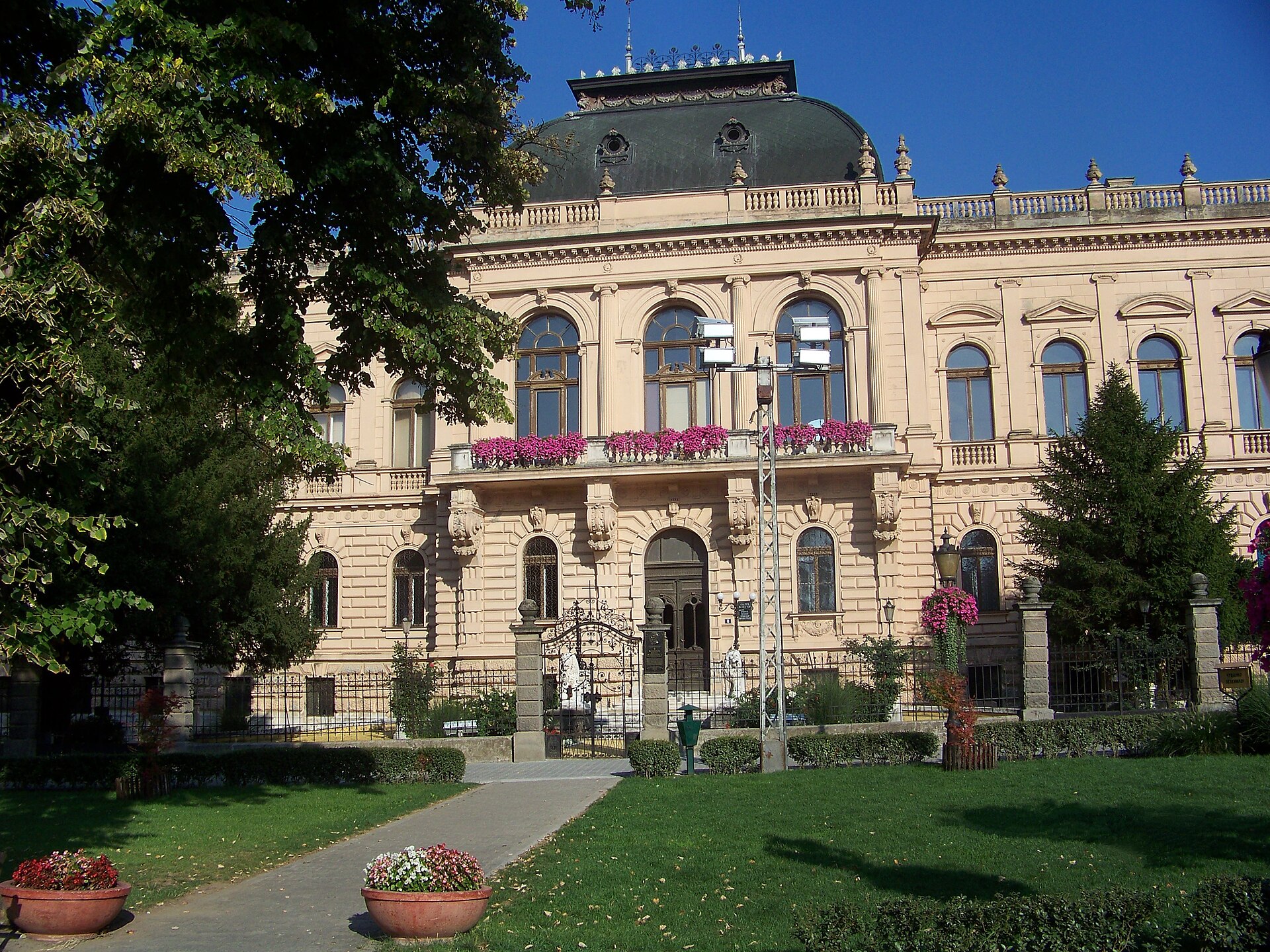
Sremski Karlovci is one of those rare places where history isn’t just preserved—it lingers, breathing through the streets and buildings like an unspoken presence. Perched along the Danube, the town itself feels suspended in time, its quiet charm untouched by the rush of modern life. Yet even here, the Patriarchal Palace stands apart, not merely as an architectural relic but as a living testament to the deep, often turbulent relationship between the Serbian Orthodox Church and the land it has shaped for centuries. This was never just a residence; it was a stage where the fate of a people was debated, where faith and politics intertwined, and where the spirit of a nation found its voice.
Built in the mid-18th century, the palace rose at a pivotal moment in Serbian history. By then, Sremski Karlovci had become the heart of the Karlovci Metropolitanate, later elevated to a patriarchate—a recognition of the growing influence of Serbs within the Habsburg Empire. The choice of Baroque architecture was no accident. It was the dominant style of Central Europe at the time, yet the palace carries subtle Serbian nuances, a quiet assertion of identity within a broader imperial context. The façade is restrained, almost austere, but there’s an undeniable dignity to it, as if the building itself understands its own significance. This was where decisions were made that would ripple through generations, where the church’s role as both spiritual guide and political force was solidified.
Inside, the palace feels like a time capsule. The grand hall, where the Holy Synod once convened, still hums with the weight of history. High ceilings stretch overhead, heavy chandeliers cast a warm glow, and the walls are lined with portraits of long-dead metropolitans and patriarchs, their gazes following visitors as if expecting a report on the state of the world since their time. The collection of ancient books and manuscripts is particularly striking—not just for their age, but for what they represent. These were the tools of survival, the means by which the church preserved Serbian culture, language, and faith through centuries of foreign rule. To hold one of these volumes is to touch a thread connecting past and present, a reminder that identity is never truly lost, only waiting to be reclaimed.
The palace is inseparable from the story of Sremski Karlovci itself. The town has always been a crossroads, a place where Serbs, Croats, Hungarians, and Germans lived side by side, each leaving their mark. Yet it was the Serbian community that transformed it into a spiritual and intellectual hub. In the 19th century, as Serbia fought for independence, Karlovci remained a sanctuary for national ideals, a place where the seeds of a modern state were sown. The palace was more than a religious center; it was a symbol of resilience, a physical manifestation of the belief that even under foreign rule, a people could carve out their own destiny.
Today, the Patriarchal Palace straddles two worlds. It remains an active ecclesiastical site, hosting services, clerical gatherings, and occasional concerts of sacred music. But it’s also a museum, a place where visitors can wander through rooms that have witnessed centuries of history. The atmosphere shifts with the seasons. In summer, when tourists fill the streets, the palace can feel like just another stop on a sightseeing route—until you step inside. Then the noise of the outside world fades, replaced by the hush of old stone and wood, the kind of silence that makes you lower your voice instinctively. Winter is different. The town slows down, wrapped in a quiet stillness, and the palace stands like a sentinel, its presence more imposing, its history more palpable.
For anyone with an interest in Serbian history, the palace is essential. It lacks the ostentatious grandeur of some European palaces, and that’s precisely its strength. There’s no gilded excess here, no attempt to dazzle with opulence. Instead, there’s authenticity—a sense that this place was built not to impress, but to endure. Every corner tells a story: of faith tested by time, of a people clinging to their identity, of how a small town on the Danube became a cornerstone of Serbian heritage. Even those who aren’t religious will find themselves reflecting on how the past shapes the present, how the echoes of old decisions still resonate today.
The palace courtyard is a quiet retreat, a place where the weight of history feels lighter. Once the domain of metropolitans and clergy, it’s now a spot where visitors pause to rest, sheltered by ancient trees and the soft murmur of a fountain. On a clear day, you can sit on one of the benches and watch the town go about its unhurried business. Sremski Karlovci isn’t a place for rushing. Time moves differently here, and the palace is part of the reason why. It anchors the town in its past, a reminder that some things—faith, tradition, the quiet strength of a community—are meant to last.
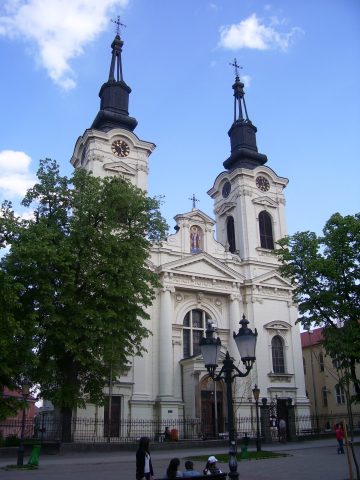
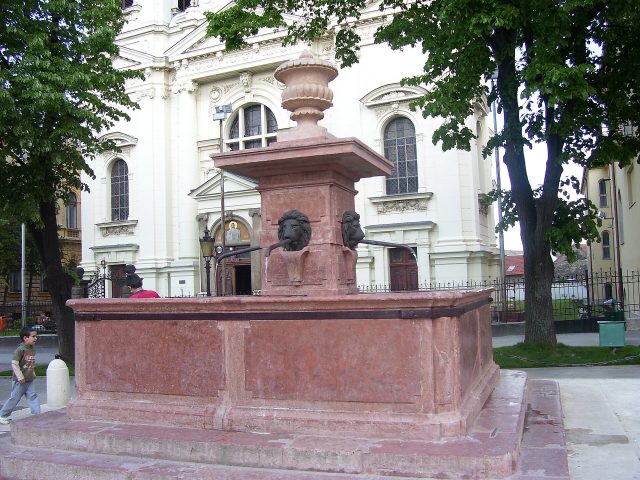
If you visit, don’t let the palace be your only stop. The town has more to offer: the Four Lions Fountain, the old churches, the wine cellars where vintners have been perfecting their craft since the 18th century. But the Patriarchal Palace will likely be what stays with you. It’s not just a building; it’s a feeling, a sense of continuity that lingers long after you’ve left. History isn’t just stored here—it’s alive, woven into the very air, waiting to be discovered by those who take the time to listen.