Plaza Artigas in Parque del Plata is one of those places where city life slows down just enough to let you breathe. There’s no tourist hustle here, no crowds jostling for the best photo spot—just open space, the shade of old trees, and the quiet rhythm of a small Uruguayan town. The square is named after José Gervasio Artigas, the country’s national hero, a figure every Uruguayan knows, from schoolchildren to the elderly. For locals, this isn’t just a patch of green in the middle of town; it’s a gathering place where neighbors catch up, families stroll, and anyone with nowhere to rush can simply take their time.
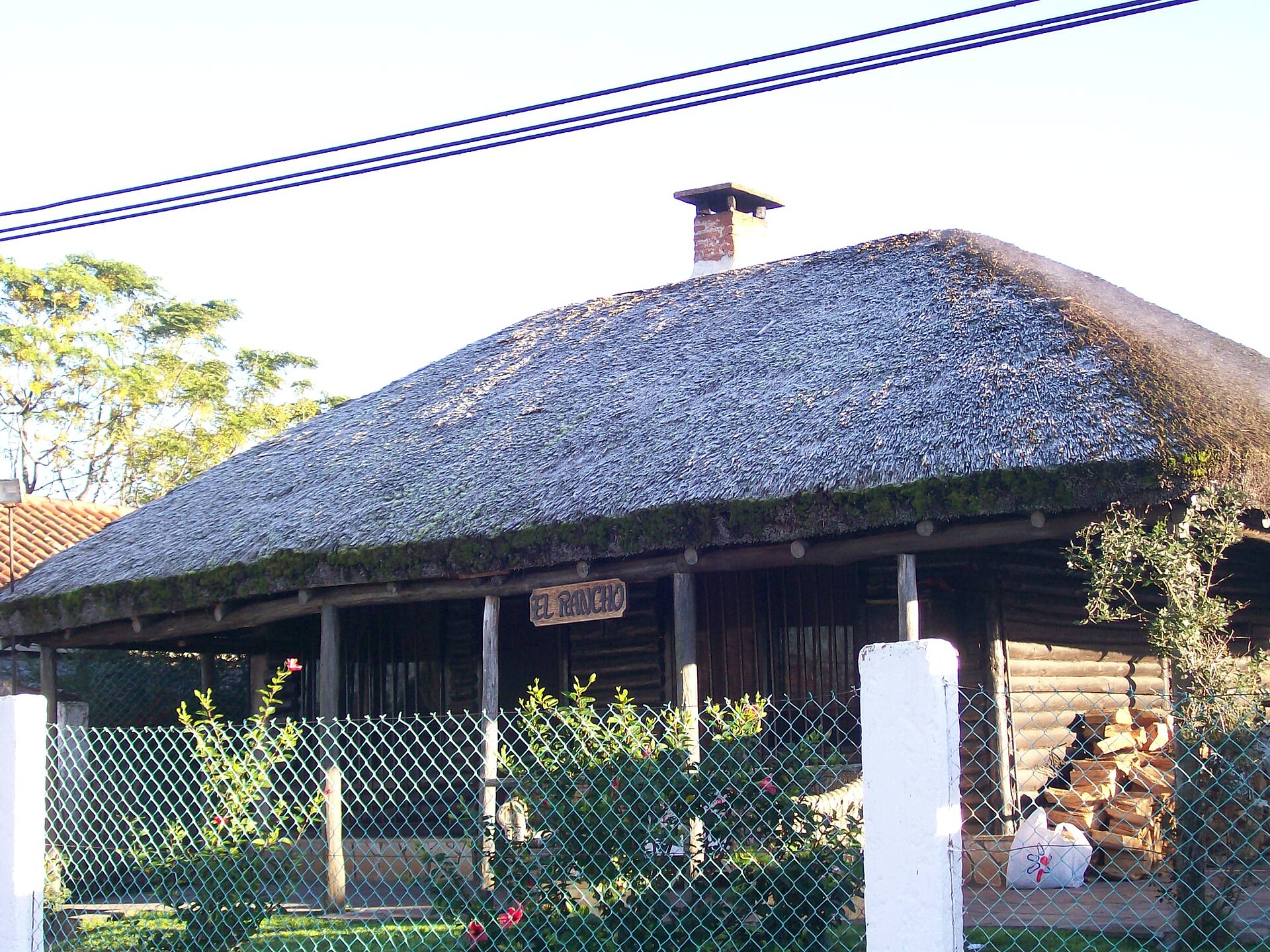
The architecture around the square is unassuming and practical, the kind that doesn’t demand attention but quietly fits into everyday life. Low-slung houses with tiled roofs, small shops, cafés, and municipal buildings create the kind of atmosphere you’d expect in a coastal town like Parque del Plata—nothing grand, just a place where people live for themselves, not for show. At the center stands a monument to Artigas, though it’s far from the imposing statues you’d find in Montevideo. Instead, it’s modest, almost understated, a reminder that history isn’t just made in capital cities but in places like this, where life moves at its own pace.
Parque del Plata itself is a seaside town about an hour from Montevideo, a place that swells with visitors in the summer and settles into a slower rhythm in the winter. Plaza Artigas mirrors that seasonal shift—lively in the warmer months, quieter when the crowds thin out, but always a place where you can sit on a bench, listen to the wind in the leaves, and feel time passing. What makes it special is what it lacks: there are no tourist traps, no souvenir stands, no pressure to perform for an audience. It’s just a square, and that’s enough.
The history of the plaza is tied to the town’s own origins. Parque del Plata emerged in the early 20th century as a resort for the middle class, and the square was designed as a public space where people could come together. Back then, Uruguay was experiencing an economic boom, and towns like this were built with optimism, as if the future would always be bright. Of course, history had other plans—crises, political upheavals, and economic shifts reshaped the country more than once. But the plaza endured, a small but steady presence in a town that has seen its share of change.
Today, it’s still a place where life happens in its most ordinary, unscripted ways. On weekends, you might find street musicians playing, or a small outdoor market setting up. In the summer, there are occasional film screenings or concerts, though these are more the exception than the rule. Mostly, the square just exists as it always has: kids kicking a soccer ball on the grass, older men feeding pigeons, teenagers meeting under the lamplight. Nothing extraordinary, and that’s the point. It’s the kind of place where you can sit and watch the world go by without feeling like you’re missing out on something bigger.
What makes Plaza Artigas stand out is its authenticity. In a world where so many cities start to look the same, Parque del Plata and its main square have held onto their character. There are no souvenir shops selling trinkets, no crowds of tourists snapping photos, no over-the-top hospitality. Just a town living its life, and the people who make that life what it is. This isn’t a place for those chasing Instagram moments or grand adventures. It’s for anyone who wants to experience Uruguay as it really is—unpolished, unhurried, and unapologetically itself.
If you wander the streets around the square, you’ll find small cafés serving up classic Uruguayan dishes. There’s *churrasco*, the grilled meat that tastes even better here than in the capital, or *medialunas*, the sweet pastries that locals eat with their morning coffee. Somewhere nearby, you’ll probably overhear a conversation about the latest news or just the quiet hum of people enjoying a moment of peace. It’s the kind of place where you can sit down, order something simple, and feel like you’ve slipped into the rhythm of the town.
In winter, the square takes on a different kind of charm. The trees are bare, the wind off the ocean carries a bite, and the benches sit empty. But even then, there’s something appealing about it—the way the light slants through the branches, the sound of dry leaves crunching underfoot, the sense that this place is just waiting for summer to return. It’s a reminder that a square isn’t just pavement and grass; it’s a living part of the town, breathing in time with the seasons.
At the end of the day, Plaza Artigas isn’t so much a tourist attraction as it is a slice of everyday life. It doesn’t make it into guidebooks, and you won’t find it on postcards, but that’s exactly why it matters. Here, you can just be—no rush, no expectations, no need to perform. Sit on a bench, watch the world go by, and let the quiet settle in. That’s the real magic of places like this: they don’t ask for much, just a little time and the willingness to pay attention.