Playa Parque del Plata sits quietly along Uruguay’s Atlantic coast, a stretch of sand where the ocean feels wilder and the crowds thinner than anywhere else in the country. Unlike the polished glamour of Punta del Este or the steady hum of La Paloma, this place has resisted becoming another tourist hub. The beach runs wide and unbroken, a ribbon of pale sand framed by dunes and tufts of coastal grass. The water is cooler here, especially compared to the warmer currents up north, but in summer it’s still inviting enough for a swim. The waves roll in steadily, neither too fierce nor too tame—just enough to remind you that the Atlantic is vast and untamed.
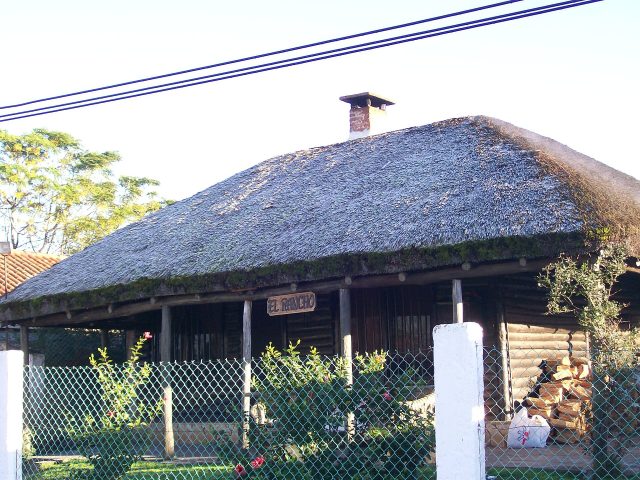
The town itself feels like a well-kept secret, a place where time moves at its own pace. It began taking shape in the mid-20th century, when Uruguayans from Montevideo started building summer homes along the coast. There were no grand villas or flashy casinos, just modest cottages with wooden verandas, their pastel hues blending into the landscape rather than standing out. Many of these houses have stayed in the same families for generations, passed down as summer retreats where routines revolve around the rhythm of the sea. Even now, the architecture remains unassuming—low-slung buildings with wide porches, designed more for comfort than for show.
Beyond the sand, the land softens into wetlands and marshy grasslands, a quiet ecosystem that feels worlds away from the beachfront. This is where birds come to nest, where gulls and herons pause during migration, and where flamingos sometimes appear at dawn, their pink silhouettes stark against the muted colors of the shore. After storms, the beach is often strewn with seaweed, a natural part of the coastal cycle. In recent years, there’s been a gentle effort to preserve this balance—small signs here and there explain the local flora and fauna, though the place still feels untamed, as if nature hasn’t quite decided to yield to human order.
Summer brings more life to Parque del Plata, but it never feels crowded. Most visitors are Uruguayan families who come for weeks at a time, settling into the slow pace of beachside living. Foreign tourists are rare, which is part of the appeal—there are no high-rise hotels or beachfront resorts, just a handful of guesthouses and the option to rent a small house with a kitchen. That’s the real draw for many: the chance to live simply, to cook with fresh local fish and produce, to wake up early for a walk along the shore or to spend evenings on the porch with a glass of wine, listening to the waves.
The town itself is small but functional. There are shops where fishermen sell their daily catch, along with stalls offering fresh bread, fruit, and vegetables. On weekends, a market sets up with homemade cheeses, jams, and other local goods—nothing fancy, just the kind of things people bring when they want to share a taste of home. The pace is unhurried, the kind of place where you might strike up a conversation with a neighbor or spend an afternoon doing nothing at all.
When winter arrives, Parque del Plata empties out. The houses stand shuttered, the streets grow quiet, and the wind off the ocean sharpens. The beach takes on a different mood—wilder, more dramatic, with darker sand and heavier waves. The sky is often overcast, and the only signs of life might be a lone fisherman casting a line or the occasional walker braving the chill. It’s a time when the place feels most like itself, when the vastness of the ocean and the solitude of the shore become impossible to ignore.
This isn’t a destination for those seeking luxury or constant entertainment. There are no beach clubs, no sunset cocktail bars, no carefully curated experiences. What Parque del Plata offers instead is something rarer: a sense of stillness, a place where the land and the sea set the rules. The beach isn’t pristine—sometimes there’s debris washed ashore, the water can feel chilly, and the wind might pick up without warning. But those imperfections are part of what makes it real, a reminder that nature doesn’t always conform to expectations.
For Uruguayans, Parque del Plata is a place of simple pleasures—where children learn to swim in the waves, where families gather for long lunches, where the sound of the ocean becomes the soundtrack to summer. For visitors, it’s a chance to step away from the usual tourist trail and experience the coast as locals do: without fanfare, without pretense, just the quiet rhythm of life by the sea.