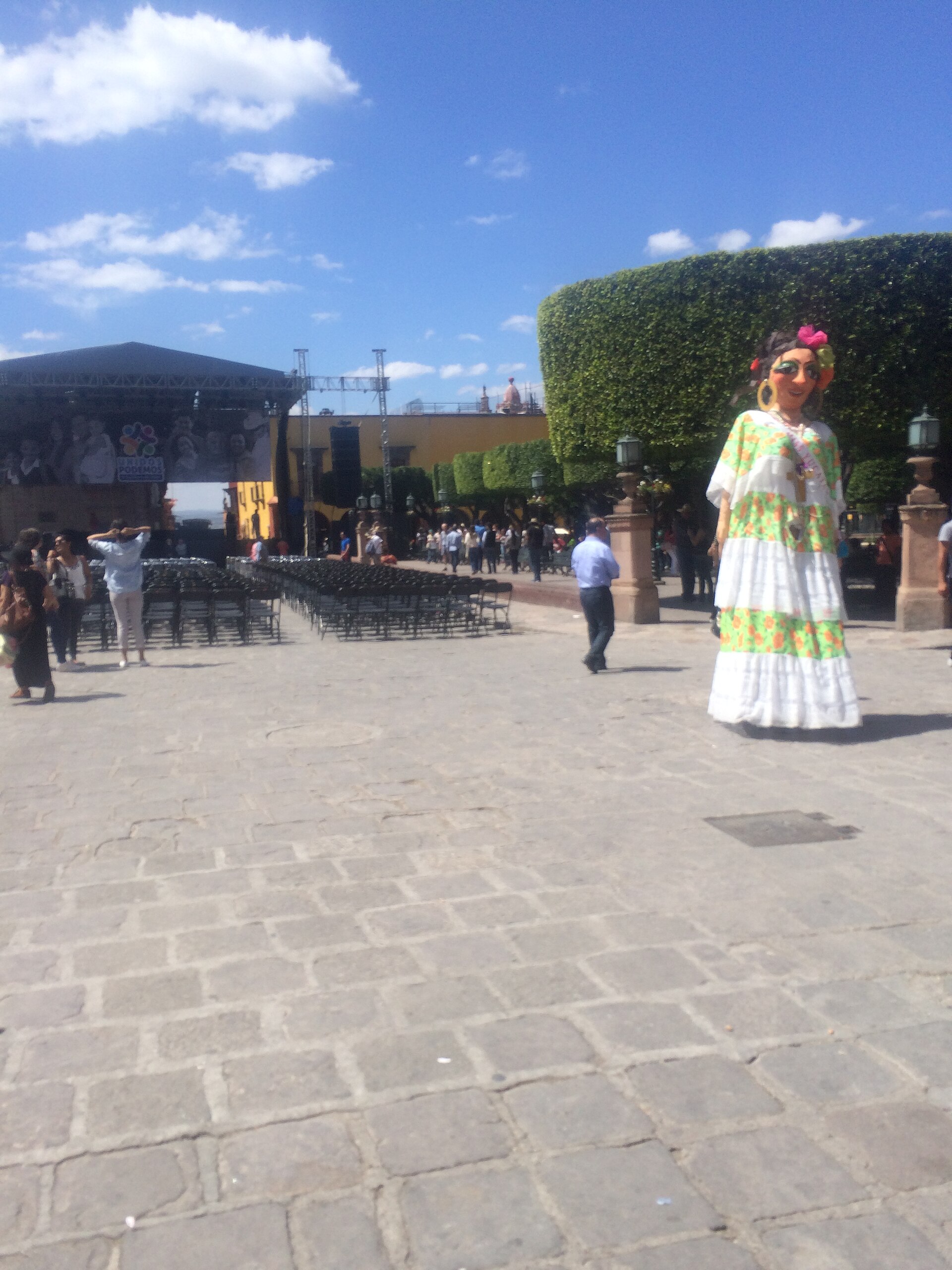
Plaza Allende is where San Miguel de Allende breathes. The city’s past and present meet here, where daily life unfolds against colonial architecture and traditions that stretch back centuries. Founded in the mid-16th century by Spanish settlers, the town began as an outpost named after the Archangel Michael. Over time, it grew into one of Mexico’s most distinctive cities. The plaza wasn’t just the starting point—it remains the heart of it, a gathering place for locals and visitors.
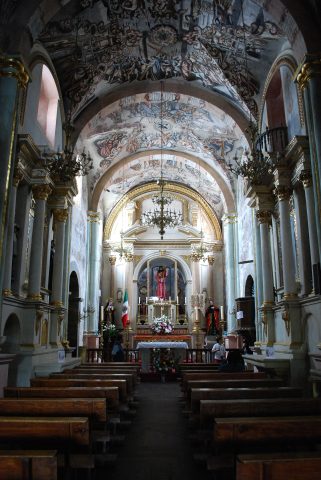
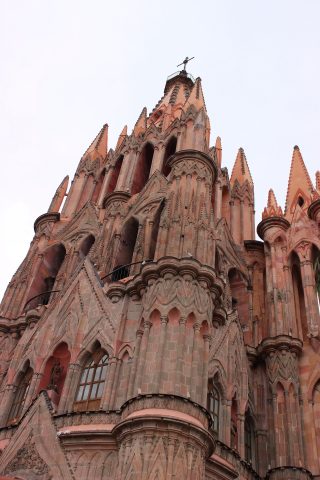
The buildings around Plaza Allende show San Miguel’s evolution. Their facades, made from pink stone quarried in the surrounding hills, feature wrought-iron balconies, arched doorways, and courtyards hidden behind heavy wooden doors. The Parroquia de San Miguel Arcángel stands out, its neo-Gothic spires rising above the plaza. Built in the 17th century, the church was remodeled in the 19th century by Zeferino Gutiérrez, a local stonemason who drew inspiration from European cathedrals. The facade’s carvings catch the light at different times of day. Inside, whitewashed walls and simple altars contrast with the soaring ceilings. From almost anywhere in the city, the Parroquia’s towers mark the center.
Plaza Allende changes with the hours and the seasons.
Mornings are quiet. Locals stop by market stalls or head to early mass. By midday, visitors wander between cafés and shops, their voices mixing with street musicians tuning instruments. As evening falls, lanterns glow on stone facades, and the scent of grilled corn and fresh tortillas drifts from food stands. Weekends bring artisan fairs. Vendors display handwoven textiles, silver jewelry, and pottery fired in nearby workshops. Families listen to mariachi bands or watch children chase pigeons across the square.
Some of the most vivid moments happen during festivals. Día de los Muertos fills the plaza with marigolds and candlelight, altars honoring the dead lining the edges. Christmas brings nativity scenes, piñatas, and processions with dancers in traditional dress moving to drumbeats. These celebrations matter to the people of San Miguel, a chance to reconnect with family and community. Even smaller rituals—elderly men playing dominoes under laurel trees, teenagers meeting on the Parroquia’s steps—feel like part of an unbroken tradition.
Plaza Allende balances its role as a tourist destination with its place in local life. Unlike crowded squares in bigger cities, this one never feels overwhelming. There’s always a quiet corner where you can sit with a coffee or talk to a vendor who’s sold handmade goods for decades. For many residents, the plaza is where they grew up, where they first learned to ride a bike or shared their first kiss. It’s where they still go to catch up with friends or enjoy the Parroquia’s towers against the sunset.
The streets around Plaza Allende invite slow exploration. Calle Umarán, a short walk away, is lined with 18th-century houses. Their wooden balconies and hidden courtyards offer glimpses of the city’s colonial past. Nearby, Parque Juárez provides a green respite with fountains and benches. Locals walk their dogs or read the newspaper there in the afternoon.
But you don’t need to leave the plaza to understand what makes San Miguel unique. The light on the Parroquia’s facade shifts. Church bells ring in the distance. Children laugh as they play tag. These details add up.
Plaza Allende has been the center of life for nearly 500 years. It doesn’t try to impress. It simply exists, welcoming anyone who wants to be part of its story. Whether you come for the history, the festivals, or just to sit on a bench, the plaza offers something rare: a place that feels alive.