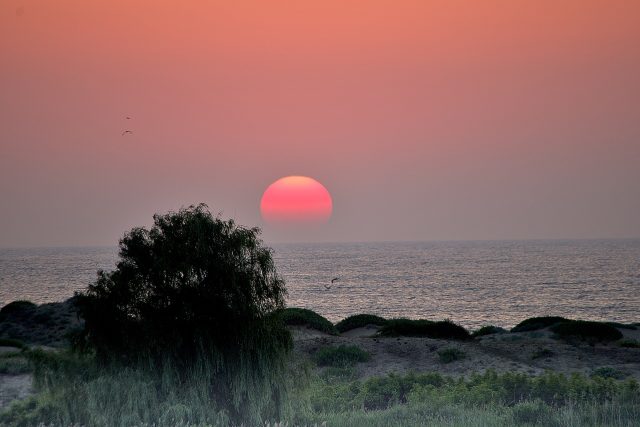
Primorsko is a quiet corner of Bulgaria’s Black Sea coast. The land gives way to water, and life follows the slow pulse of the waves. Unlike crowded resorts further north, this town feels like a secret—less polished, more real. Long stretches of sand curve around the shore without high-rises or neon signs. The beach isn’t just a strip between sea and road; the landscape unfolds naturally. Dunes soften into the water, and pine forests behind them scent the air with resin.
The sand here is warm and golden. It doesn’t burn your feet even at midday. It’s fine but not powdery, with a slight grit—a reminder this is the Black Sea. Near the water’s edge, a thin band of pebbles appears, more a natural border than an inconvenience. The sea is calm in summer, its surface broken only by fishing boats or swimmers. The water warms quickly under the sun, and by July, it’s as inviting as a bath. There are no sudden drops or hidden currents—just a gradual slope that makes wading in easy for anyone.
Primorsko wasn’t always a destination. A few generations ago, it was a fishing village where life moved with the tides. Men mended nets, women tended gardens, and visitors were rare. That changed in the 1960s when Bulgaria began developing its coastline for tourism. Primorsko had the right mix: proximity to Burgas, clean air, and a pretty but not dramatic landscape. Hotels and guesthouses appeared, but the town kept its modest character. Even now, it feels like a community, with locals outnumbering tourists in the off-season.
The architecture tells that story. Old stone houses with wooden shutters stand near modern hotels. In the town center, a few buildings from the Bulgarian National Revival period remain—colorful facades with woodwork, a nod to the craftsmen who once lived here. These houses, now rented to visitors, show a slower time. Life wasn’t measured in likes but in seasons. Even newer buildings don’t feel out of place; they’re low-rise, built to blend in.
Beyond the beach, the land rises into gentle hills covered in oak and beech forests. This is the edge of the Strandzha Mountains, one of Bulgaria’s oldest regions. Small churches and monasteries dot the area. One is dedicated to St. John the Baptist, perched on a hill overlooking the sea. The monastery dates back to the Middle Ages, though the current buildings are more recent. It’s still active, and visitors can wander the grounds. The scent of incense mixes with the sea breeze. Nearby, a spring is said to have healing properties. Locals tell stories of its powers—though you’ll decide for yourself after tasting the cold, mineral-rich water.
Summer on the beach moves at its own pace. Mornings belong to fishermen and early swimmers. By noon, families arrive. Children build sandcastles, and beach volleyball kicks up dust. As the sun dips, the sea turns blue and pink. The air cools enough for an evening stroll. The promenade comes alive with music from open-air cafes, but there’s no frenetic energy. Here, nightlife is subdued—a glass of local wine or a quiet conversation under the stars.
Primorsko is also a gateway to Strandzha’s wild beauty. The mountains aren’t towering but have a quiet grandeur. Forests feel untouched. Hiking trails lead to hidden waterfalls and viewpoints where the sea stretches out like glass. One spot is the Urdoviza Cave, a small cavern with a subterranean lake. During World War II, it hid partisans, and its walls still bear faint inscriptions. The cave is free to explore, but it’s easy to lose your way in the dim light. Go with someone who knows the route.
In winter, Primorsko changes. The beach empties, hotels close, and the town hibernates. The sea turns dark and restless, waves crashing with primal force. There’s beauty in the emptiness—walking the sand with only gulls for company, watching the wind whip the water into froth. On clear days, snow-capped Strandzha peaks appear in the distance. For those who come in winter, it’s a chance to see the coast as it once was: raw, untamed, peaceful.
This isn’t a place for luxury or nonstop entertainment. No all-inclusive resorts, no beach clubs blasting music until dawn. Primorsko offers something simpler: days without a schedule, the warmth of the sun, the cool of the sea without crowds. You might read under a pine tree or swim at sunset because the water looks too inviting. If you return, it’s not for the amenities but because the place feels like home—a stretch of sand and a view of the sea.