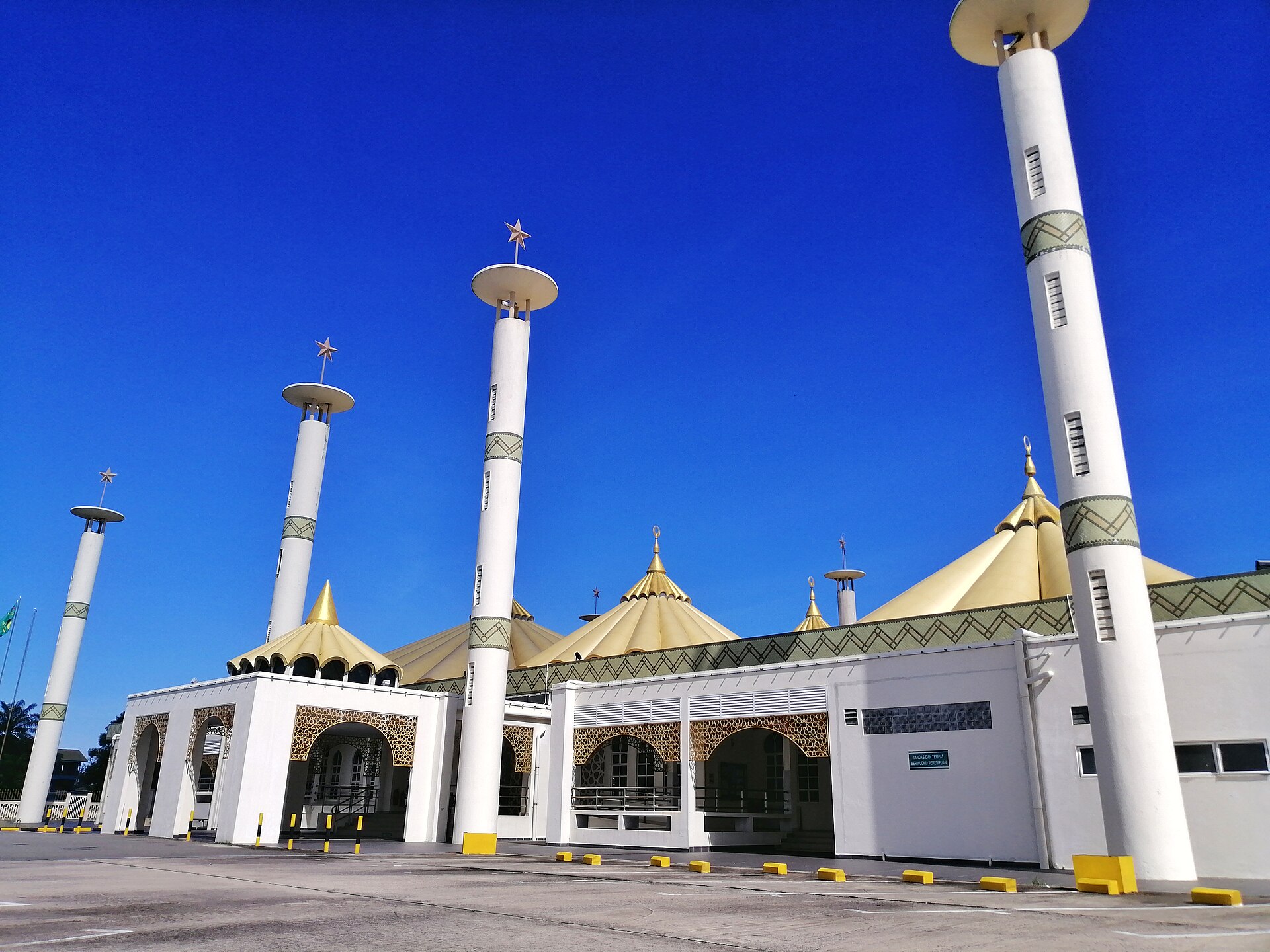
Kuala Belait Beach Kuala Belait’s beach is where the town’s quiet heartbeat meets the South China Sea. The sand runs along the coast, blending the simplicity of seaside life with the routines of locals who walk their dogs, mend fishing nets, or just sit by the water. No resorts, no crowds—just open space, waves breaking on the shore, and a stillness that slows you down.
The beach starts where the town ends. Residential houses and warehouses give way to several kilometers of golden-gray sand, scattered with small pebbles. The water stays warm, though monsoons and tides sometimes bring silt and seaweed, especially from September to December.
This isn’t a postcard beach. No loungers, no umbrellas, no cafes. What you get instead is space—enough to walk for miles in the early morning or late afternoon when the heat eases. Families spread picnics on the grass, fly kites, or let children chase the waves. Fishermen repair nets or return with the day’s catch. Low dunes, covered in shrubs and the occasional palm, separate the shore from the town’s mosques and houses.
Kuala Belait grew around oil. In the early 1900s, discoveries turned it into an economic hub, and the industry still shapes the skyline. The beach, though, has always been on the edges of that story. It wasn’t built for tourists or the elite—just a place where workers relaxed after shifts or families spent weekends. Even now, with oil still driving the economy, the beach remains a quiet counterpoint to the hum of refineries.
Behind the beach, traditional Malay houses line the streets—wooden shutters, corrugated iron roofs, verandas. In the distance, oil derricks and storage tanks rise against the horizon. Wooden jetties jut into the water, where boats are tied up. The landscape feels practical, unpolished.
From January to May, the dry season brings calm seas and clear skies, though the water can still be murky. The heat builds by midday, so mornings and evenings are best for walks. From September to December, rain and rough waves keep most people indoors. But even then, the beach has its own mood: empty sand, low clouds, the sound of surf.
There’s no tourist infrastructure here. No vendors, no coconut water, no souvenirs. Locals treat it like any other public space—a place to gather, relax, or pass the time. That’s what makes it real. This isn’t Brunei’s grand mosques or palaces. It’s a working coastal town where life moves at its own pace.
Sunset is when the beach comes alive. The sea turns gold and pink, the sky darkens, and stars appear. Teenagers play football on the sand. Older men sit on benches, talking. Offshore oil platforms flicker in the distance. The city hums softly. Stand by the water, listen to the waves, and let the moment stretch.