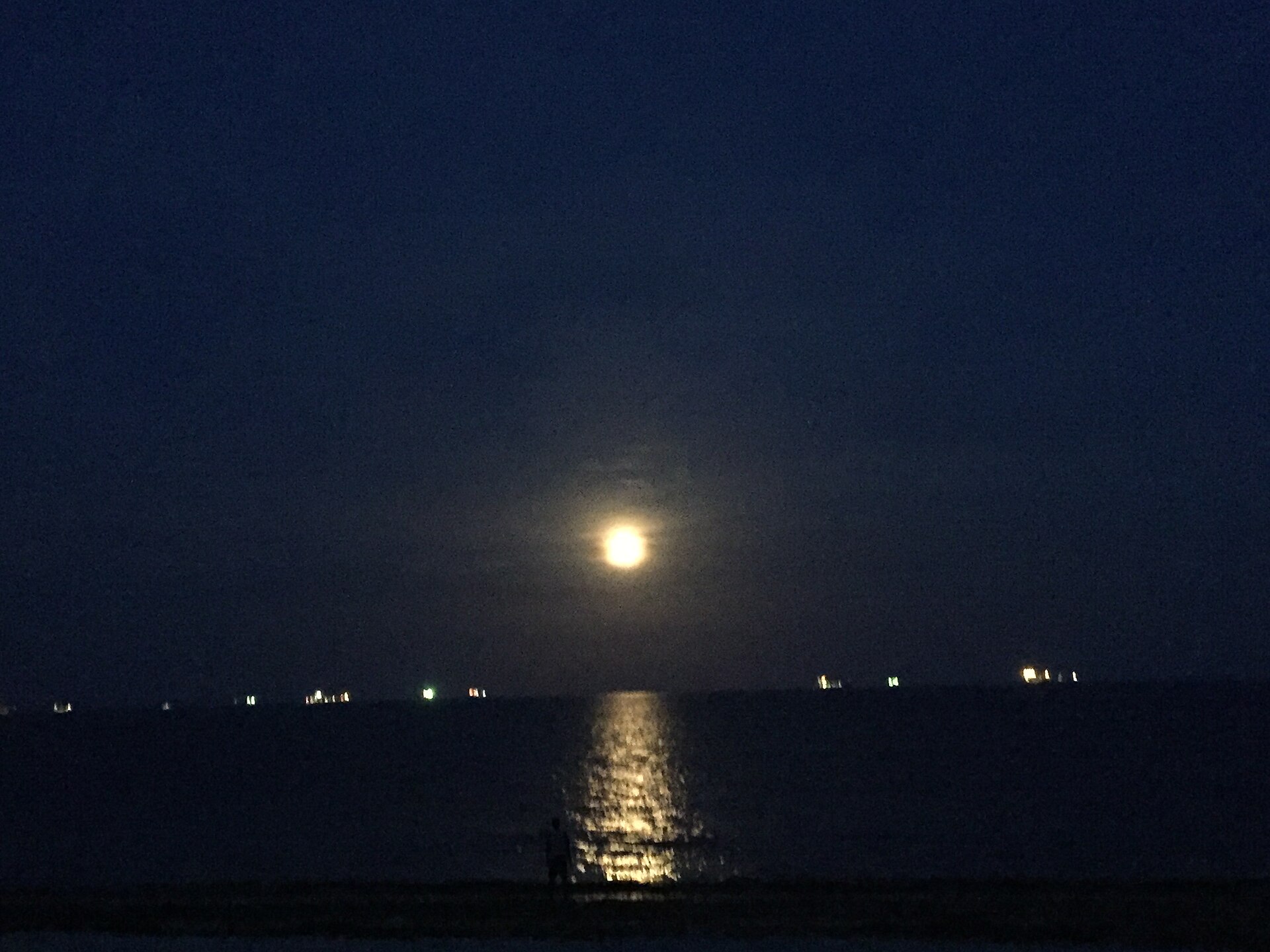
Coco Beach is one of those places in Dar es Salaam that feels like a quiet pause in the city’s constant motion. Stretching along the Msasani Peninsula, it’s not the kind of beach you’d find in glossy travel brochures—no powdery white sand or turquoise waters stretching to the horizon. Instead, it’s a narrow strip of golden-brown shore where the Indian Ocean meets the urban edge of Tanzania’s largest city. The water here is warm and gentle, more suited for a lazy swim than dramatic waves, and the beach itself is lined with palm trees that lean slightly, as if bowing to the breeze.
The area around Coco Beach has long been a local favorite, especially for those who live in the nearby neighborhoods of Msasani and Oyster Bay. Unlike the more tourist-heavy beaches further north, this one retains a distinctly Tanzanian rhythm. On weekends, families spread out mats under the shade of casuarina trees, children play in the shallows, and groups of friends gather to grill fresh fish over open fires. The scent of charcoal and saltwater lingers in the air, mixing with the occasional whiff of coconut oil from someone’s sunbathing session. It’s not a place for solitude, but for the easy, unhurried company of others.
The beach’s name is said to come from the coconut palms that once dominated the shoreline, though today they share space with other tropical trees and the occasional vendor’s stall. Over the years, Coco Beach has seen its share of changes. In the 1960s and 70s, when Dar es Salaam was still the capital of Tanzania, the area was a popular spot for diplomats and expatriates who lived in the nearby upscale neighborhoods. Back then, the beach was quieter, less crowded, and perhaps a little more exclusive. Now, it’s open to everyone, though the legacy of that era lingers in the architecture of the surrounding streets—low-slung villas with wide verandas, hidden behind high walls and lush gardens.
One of the most striking things about Coco Beach is how it sits at the intersection of nature and urban life. The city’s skyline is visible in the distance, a mix of modern high-rises and older, colonial-era buildings that hint at Dar es Salaam’s layered history. The beach itself is a narrow strip, and at high tide, the water comes right up to the edge of the road that runs parallel to the shore. This proximity to the city means that Coco Beach is never truly isolated—you can hear the hum of traffic, the occasional call to prayer from a nearby mosque, and the laughter of people walking along the promenade. It’s a reminder that even in a place as vast as the Indian Ocean, the city is never far away.
For many locals, Coco Beach is as much about the social scene as it is about the water. In the late afternoons, when the sun isn’t quite as fierce, the beach comes alive with activity. Fishermen mend their nets near the shore, their boats pulled up on the sand, while others sell fresh coconuts, their tops hacked open with machetes for a quick, refreshing drink. There are no fancy beach clubs here, just a few simple kiosks selling cold sodas, grilled corn, and samosas. The atmosphere is casual, almost familial, with people greeting each other by name and sharing stories as the day winds down.
The beach also plays a role in the city’s cultural life. During festivals like Eid or Christmas, Coco Beach becomes a gathering point for celebrations, with music, food stalls, and impromptu performances. On ordinary days, it’s a place where people come to unwind after work, to jog along the shore in the early morning, or to sit and watch the sunset paint the sky in shades of orange and pink. The sunsets here are understated but beautiful, with the light reflecting off the water in a way that makes the whole scene feel a little softer, a little slower.
Despite its popularity, Coco Beach has managed to avoid the kind of overdevelopment that has transformed other coastal areas in Tanzania. There are no towering resorts or private beaches here, just a simple stretch of sand where the city and the ocean coexist. That said, the beach isn’t without its challenges. Erosion has nibbled away at parts of the shoreline over the years, and litter can sometimes be an issue, though local efforts to clean up the area have made a difference. Still, for those who visit, these imperfections are part of what makes Coco Beach feel real—less like a postcard and more like a place where life happens.
If you’re visiting Dar es Salaam and looking for a beach that offers more than just scenery, Coco Beach is worth a stop. It’s not the kind of place where you’ll spend all day lounging under an umbrella, but that’s part of its charm. Instead, it’s a spot to dip your toes in the water, chat with locals, and soak in the rhythm of a city that moves to the beat of the ocean. Whether you come for the sunset, the people-watching, or just a quiet moment by the water, Coco Beach has a way of making you feel like you’ve stumbled upon something genuine—a small piece of Dar es Salaam that hasn’t been polished for tourists, but remains exactly as it is.