Gamba Beach is where the Atlantic meets the shore with a quiet intensity, as if nature carved out this stretch of coast just to remind the world what solitude looks like. The sand here is pale and soft, shifting underfoot with each step, while the waves roll in with a steady, rhythmic force. There are no crowded promenades, no beachfront bars blasting music, no vendors hawking trinkets—just open space, the sound of the ocean, and the sense that time moves differently here.
Gamba itself is a small town in southern Gabon, known mostly as a port and a hub for the oil industry. But for those who come not for business but for the landscape, the beach is the main attraction. It doesn’t resemble the manicured resorts with perfectly trimmed lawns and rows of sun umbrellas. Instead, it feels raw and unpolished: dunes covered in tough coastal grass, a few palms leaning toward the water, and a horizon that stretches endlessly. The farther you walk from town, the wilder it becomes, and that’s the real draw.
The water stays warm year-round, but swimming here requires caution. The Atlantic off Gabon’s coast is unpredictable, with strong currents and waves that can catch even experienced swimmers off guard. Locals know the safest spots to wade in and often warn visitors to be careful. For those who prefer to stay on shore, the beach offers other pleasures—watching the surf, walking along the tideline, or simply sitting as the light changes over the water. On calm days, the sea turns an impossible shade of turquoise; when the wind picks up, it darkens into something more ominous, like the waters on an old nautical chart.
The history of this coastline is layered, though not always visible. During the colonial era, these shores were part of the routes used in the slave trade, and later, they became a stop for European explorers and merchants. Today, little remains to mark that past—just the occasional mention in local stories or the names of certain coves. But if you look closely, the landscape itself holds traces: weathered docks half-sunk in the sand, the skeletal remains of old ships, or boulders smoothed by centuries of salt and tide.
Life on the beach moves at its own pace. In the early morning, fishermen arrive to haul in their nets or mend their boats. Their catch—shrimp, barracuda, sometimes even small sharks—ends up in local markets or the simple cafes that dot the town. By midday, the beach is quiet again, save for the occasional visitor seeking solitude or a few locals who come to sit by the water. As evening falls, the shore empties, leaving only the sound of the waves and the distant glow of ships on the horizon.
There are no grand hotels here, no luxury villas with ocean views. Instead, a handful of modest guesthouses offer a place to stay if you want to linger. Built in the local style, with wood and thatched roofs, they sit close to the water, their open verandas catching the sea breeze. They don’t promise fine dining or polished service, but they do offer something rarer: a chance to step into a rhythm of life that hasn’t changed much in decades.
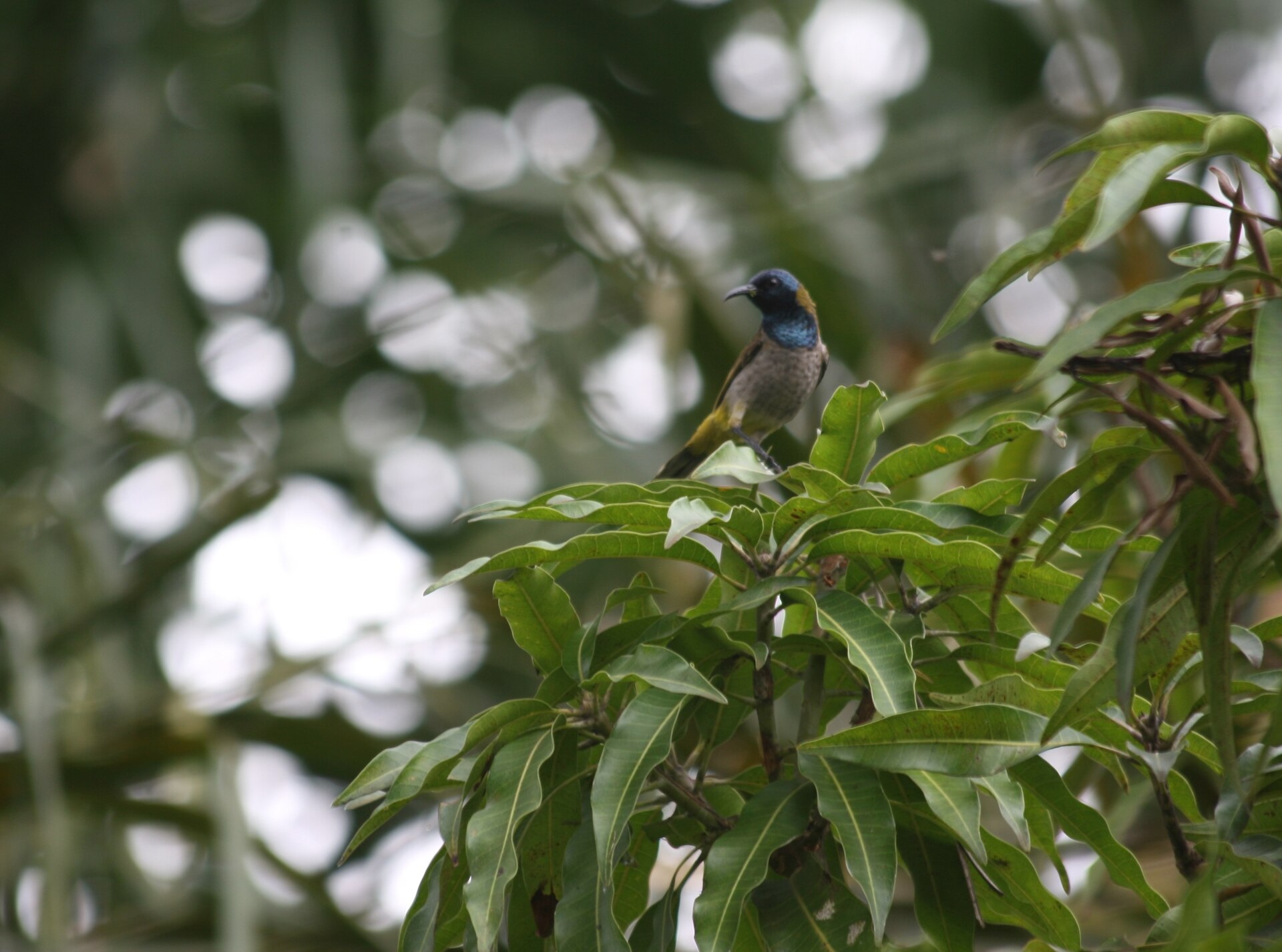
The area around Gamba is as compelling as the beach itself. Patches of tropical forest still stand nearby, home to monkeys, brightly colored birds, and even the occasional forest elephant. Venturing into these woods is best done with a guide—the terrain can be tricky, and some trails lead deep into mangrove thickets where it’s easy to lose your way. But those who make the effort come back with stories that go beyond the usual beach holiday.
Gamba and its beach aren’t for those seeking entertainment or spectacle. There are no neon signs, no amusement parks, no curated experiences. Instead, this is a place where you can see Africa without the gloss: wild, unhurried, and shaped by the ocean’s presence. It’s not the kind of destination you visit once to tick off a list. It’s the kind of place you return to when you need to remember what it feels like to be still, to watch the world move at its own pace.