Loango National Park is one of those rare places where the wild heart of Africa meets the vastness of the ocean. Unlike the more famous safari destinations further east, where animals are often confined to inland reserves, here the boundaries between land and sea blur in unexpected ways. Elephants amble along sandy beaches, buffalo graze near the water’s edge, and leopards occasionally patrol the dunes as if the entire coastline belongs to them. The park stretches across Gabon’s western edge, where savannas give way to tangled mangroves before surrendering to the Atlantic’s endless horizon. There are no crowds, no paved roads, no scripted wildlife encounters—just the quiet rhythm of a place that feels untouched by time.
The park’s landscape is a patchwork of ecosystems, each with its own character. Inland, grasslands roll toward dense forests, while along the coast, mangroves twist their roots into brackish waters, creating a maze of channels and hidden inlets. During the wet season, rivers swell and spill across the land, turning parts of the park into a watery labyrinth where the only way forward is by boat. The animals adapt accordingly, clustering on higher ground or wading through flooded plains. It’s a different kind of safari—one where patience is rewarded not with guaranteed sightings, but with moments of raw, unscripted beauty.
Loango’s history as a protected area is relatively recent. Before 2002, these lands were used for hunting and fishing, but Gabon’s government later designated them as part of a network of national parks aimed at preserving the country’s unique ecosystems. The park now sits within a larger conservation area, though traces of its past remain in the traditions of the local Baka people, who have lived in harmony with this land for generations. Their knowledge of the terrain runs deep, passed down through stories and hands-on experience rather than maps or guidebooks.
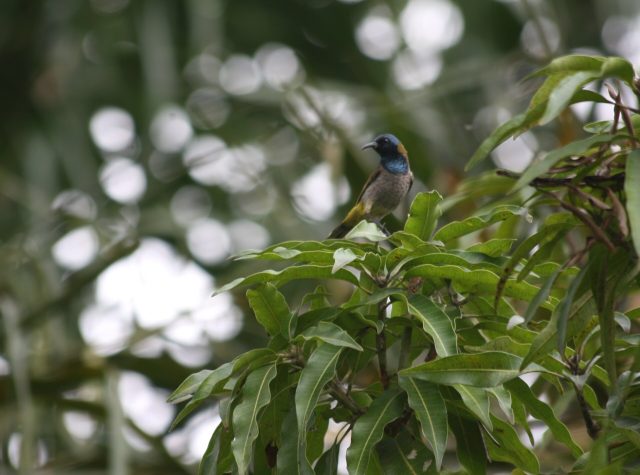
Wildlife here is both elusive and abundant, depending on the season and your luck. Forest elephants, smaller than their savanna cousins but no less impressive, move through the undergrowth, while manatees glide through the mangroves. Offshore, humpback whales sometimes surface near the coast, their breaches visible from the beach. Birdwatchers will find plenty to marvel at—kingfishers darting over rivers, marabou storks standing sentinel in the shallows, and countless other species flitting between trees. The park is also home to western lowland gorillas, though spotting them requires patience, persistence, and a bit of fortune.
There are no grand lodges or manicured trails in Loango. Instead, the park’s architecture is the land itself—sand dunes shaped by wind, mangroves with roots like tangled sculptures, and forests that shift with the seasons. In the dry months, the terrain is more accessible, but during the rains, some areas become impassable, forcing visitors to navigate by boat through flooded channels. Local guides, who know these waters and paths intimately, can lead you to places where few outsiders ever set foot. The experience is less about ticking off a checklist of sights and more about immersing yourself in the slow, deliberate pace of the wild.
Visiting Loango isn’t for those seeking luxury or predictability. There are no five-star resorts, no gourmet restaurants, no souvenir shops—just simple campsites, basic lodges, and meals cooked over open fires. The climate is humid and warm year-round, with a dry season from June to September offering the best conditions for wildlife viewing. Even then, the heat and humidity can be intense, and the lack of infrastructure means you’ll need to adapt to the environment rather than the other way around. The wet season, from October to May, transforms the park into a lush, waterlogged world where rivers overflow and forests grow dense and impenetrable.
What makes Loango special is its sense of untouched wilderness. This isn’t a place where animals perform for tourists or where nature is curated for convenience. Instead, it’s a landscape that operates on its own terms, where elephants might wander onto a beach at dawn or a leopard could appear on a dune at dusk. The park’s remoteness means that even in peak season, you’re unlikely to encounter other visitors, adding to the feeling of stepping into a world that exists beyond the reach of modern tourism.
Beyond its natural beauty, Loango plays a crucial role in conservation. The park protects a rare convergence of ecosystems—savannas, mangroves, rainforests, and coastal waters—all within a relatively compact area. Many of the species here are threatened, and the park serves as a refuge where they can thrive without the pressures of habitat loss or poaching. It’s also a reminder of what much of Africa might have looked like before human development reshaped the landscape.
If you come to Loango, leave your expectations at the gate. There are no guarantees of what you’ll see or how the experience will unfold. Some days might pass in quiet observation, while others could bring unexpected encounters—a herd of buffalo crossing a river, a pod of dolphins playing offshore, or the distant call of a gorilla echoing through the trees. The park doesn’t offer easy answers or neatly packaged adventures. Instead, it offers something far more valuable: the chance to witness a corner of the world that still feels wild, untamed, and utterly alive.