Playa de Es Trenc
Playa de Es Trenc is where the sea and shore meet without effort. It lies in Palma Bay, a short distance from the city’s historic center. The beach forms a long, gentle curve of sand along calm waters.
There are no tall hotels or crowded boardwalks—just low houses, a few palm trees, and cafés where you can get coffee or a snack after swimming. The sand is fine and pale, the water clear with a turquoise tint in the morning. The shoreline slopes gently, making it easy for families, though it fills up in summer.
Half a century ago, Es Trenc was a local spot where residents cooled off after work. Palma wasn’t yet a tourist hub, and much of the coastline stayed untouched. When tourism grew in the 1960s, the beach became popular, but it kept its quiet feel. It’s not for parties or resorts—just sand where people relax.
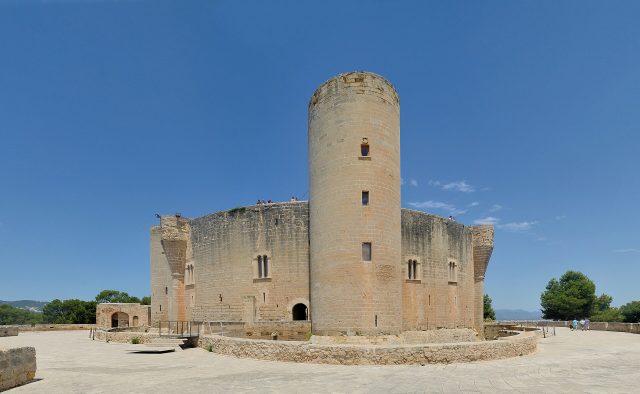
The area around the beach has its own history. Nearby stand old fishermen’s houses, once home to those who sailed in small boats. Some are now cafés or guesthouses, their facades repainted but their past visible. A short walk away is Castell de Sant Carles, a 17th-century fortress built to guard against pirates. Today, it’s a museum, and from its walls, you can see the bay, including Es Trenc.
The water is usually calm, protected by the bay’s shape. That makes it good for swimming or floating. In summer, the sea warms up; in cooler months, it’s still inviting for early swimmers. Wooden walkways run along the shore, offering a path when the sand gets hot.
Es Trenc is part of Palma’s daily life. In the mornings, locals walk dogs or jog by the water. By midday, families, tourists, and sunbathers fill the beach. In the evening, some stay for the sunset, others leave for nearby bars. Unlike remote beaches, everything here is close: sunbeds, showers, restrooms, and a small market selling fruit and souvenirs.
Es Trenc wasn’t always sandy. In the mid-20th century, parts were rocky, and sand was brought in. Over time, it settled naturally. Older locals remember coming here as children with fishing rods instead of umbrellas.
From the promenade, you see how the beach fits into Palma’s landscape. The city here is quieter than near the port but not as still as residential areas. It’s a place where you feel Mallorca’s rhythm without being far from the sea. A few minutes’ walk away, the old quarters unfold with narrow streets and bougainvillea-draped balconies.
Es Trenc doesn’t dazzle at first glance. There are no cliffs or hidden caves. But that’s why it works: it’s simple, convenient, and local. A place where you can lie on the sand, listen to the waves, and watch the water change color. That’s why people return.