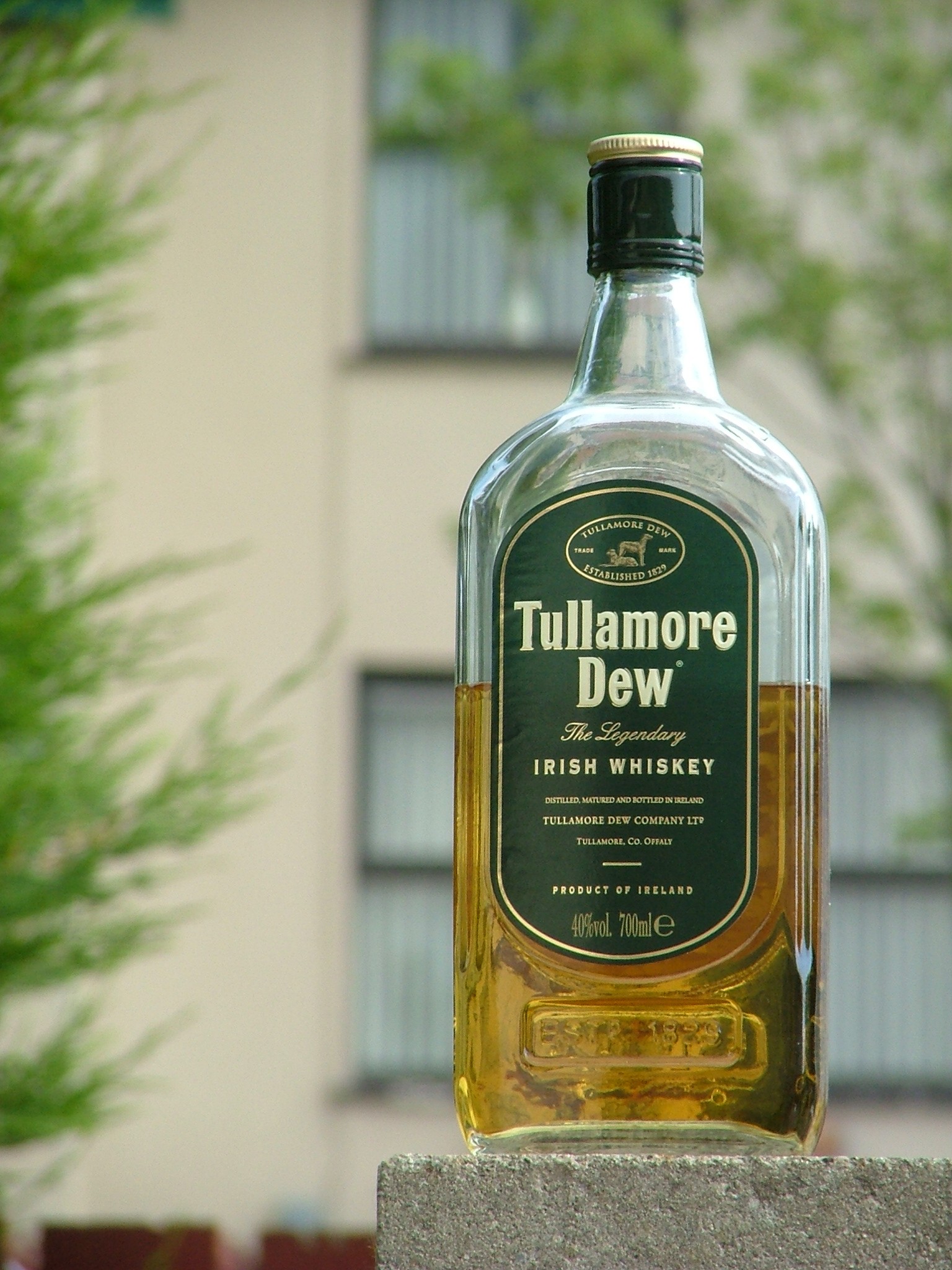
Tullamore DEW isn’t just a distillery—it’s a place where Irish history breathes, tucked away in the quiet heart of County Offaly. For nearly two hundred years, this spot among the gentle hills and emerald pastures of the Irish midlands has been crafting one of the country’s most recognizable whiskeys. The name Tullamore DEW is familiar to anyone who’s ever picked up a bottle of Irish whiskey, but few realize that behind the brand lies more than just a production facility. It’s a living piece of heritage, woven into the traditions, people, and even the legends of this corner of Ireland.
The story began in 1829 when Michael Molloy, a local entrepreneur and distiller, set up a small operation on the edge of Tullamore. Back then, distilleries dotted the Irish countryside, but Tullamore DEW quickly stood out for its quality and distinctive approach to distillation. Within decades, the whiskey gained popularity beyond Ireland’s shores, and by the 1860s, the Williams family took over, turning it into a true brand. They introduced the name Tullamore DEW, where "DEW" evokes the lightness and purity of morning dew—a fitting symbol for a whiskey that’s both smooth and refined.
Today, the distillery blends tradition with modern innovation. Visitors can see how simple ingredients—barley, water, and yeast—are transformed into a complex spirit. The process starts with malting the barley, followed by fermentation and double distillation in copper pot stills. The whiskey then ages in oak casks that once held bourbon, sherry, or rum, each imparting its own character. The warehouses, with their carefully controlled temperature and humidity, ensure the whiskey matures just right, developing depth and nuance over time.
A tour of Tullamore DEW is like stepping into a world where craftsmanship still matters. Guests explore not only the modern production areas but also historic spaces dating back to the 19th century. Old stills, tools, and archival documents offer glimpses into the distillery’s past, while the tasting room provides a chance to sample everything from the classic triple-distilled whiskey to experimental expressions with notes of vanilla, honey, or dried fruit. Each sip tells a story, a blend of time, terroir, and tradition.
Tullamore DEW is more than just a whiskey—it’s part of the local identity. The town of Tullamore has long been tied to the distillery, which was once the region’s largest employer. Even now, under international ownership, it remains a cultural landmark. Annual whiskey festivals celebrate its legacy, and in local pubs, you might hear tales of how Tullamore DEW won over drinkers from Dublin to New York. The distillery’s influence is woven into the fabric of the town, a reminder of how a single craft can shape a community.
The architecture of the distillery reflects its layered history. The original stone buildings from the 1800s stand alongside sleek modern additions, their facades adorned with traditional Irish motifs. Inside, wooden beams, exposed brick, and large windows bathe the spaces in soft light, creating an atmosphere where the past feels present. It’s a place where time moves differently, where every corner holds echoes of the people who built and sustained it.
For many visitors, a trip to Tullamore DEW is an unexpected revelation. Here, whiskey isn’t just a drink—it’s a craft, a philosophy, and a way of life. The Irish have always known how to savor the moment, and Tullamore DEW embodies that spirit. It’s where tradition meets innovation, where simple ingredients become something extraordinary. Whether you’re a whiskey enthusiast or simply curious, there’s something here for everyone.
Beyond the distillery, the surrounding landscape offers its own quiet charm. Tullamore is nestled in a region where history and nature intertwine, with rolling green hills, winding rivers, and ancient castles dotting the countryside. After the tour, you might wander through town, stopping in a cozy café or setting out to explore the nearby trails. If the weather cooperates, there’s no better way to end the day than with a picnic by the river, a bottle of Tullamore DEW in hand—tasting the whiskey where it was born.