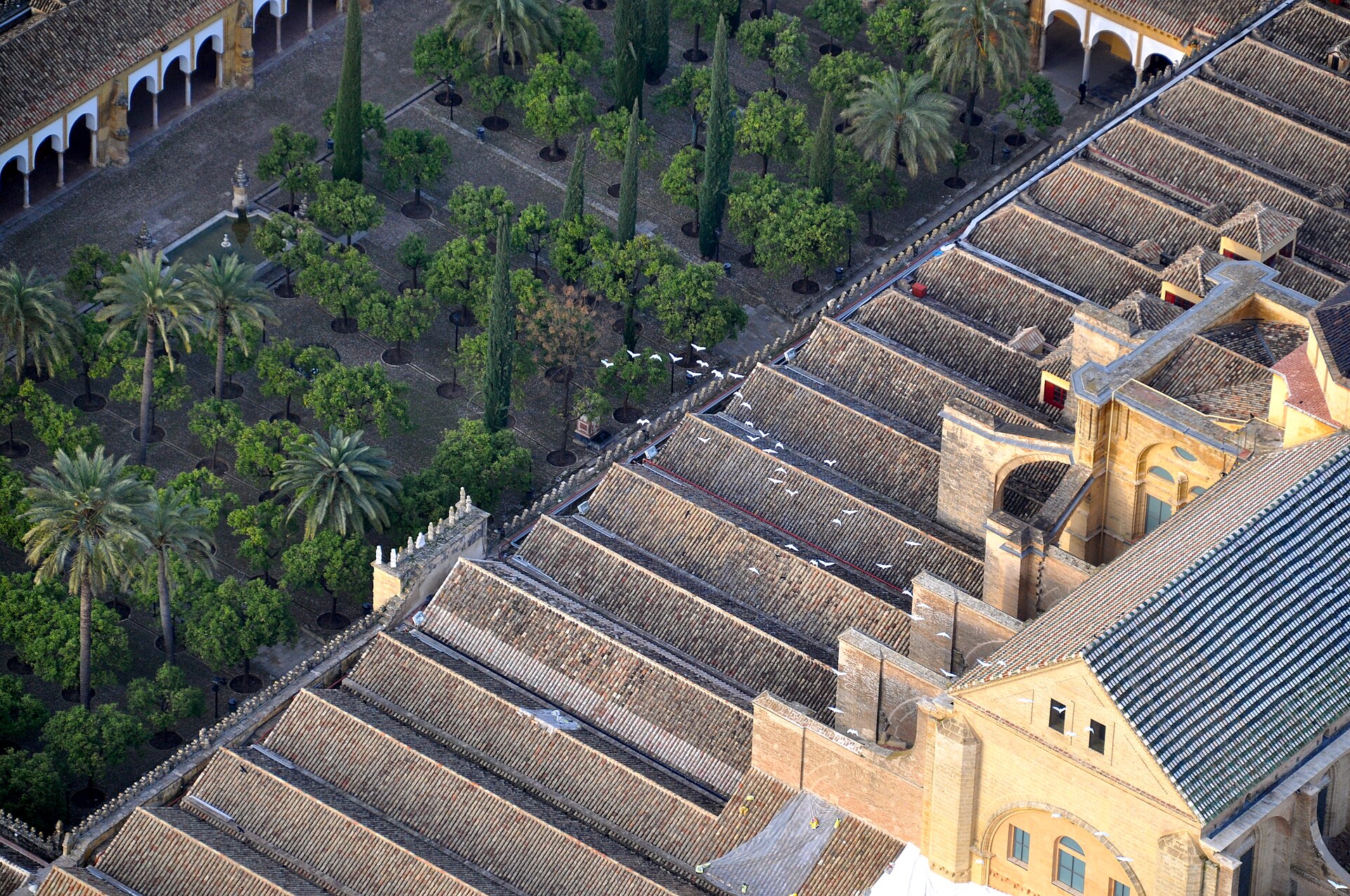
Córdoba’s patios are where the city’s soul reveals itself—not in grand monuments or crowded plazas, but in the quiet, sun-dappled courtyards hidden behind unassuming doors. These spaces have always been more than just gardens; they were a practical response to the fierce Andalusian heat, a way to create shade, cool the air, and collect precious water. The tradition stretches back to Roman and Moorish times, when courtyards were essential for survival, not decoration. Over centuries, they evolved into something richer: a living archive of Córdoba’s layered history, where every tile, plant, and fountain tells a story.
The best time to experience them is during the Patio Festival in May, when the city throws open its doors and invites the world inside. For a few weeks, Córdoba becomes an open-air gallery of private sanctuaries, each one meticulously tended by families who have cared for them for generations. Some patios are modest, belonging to ordinary homes where life unfolds at its own pace; others are grander, tucked inside former palaces or convents. There’s no set script for visiting—you might linger by a trickling fountain, trace the worn carvings on a wooden door, or simply sit on a stone bench, watching how the light shifts across the walls. The only rule is to slow down. These spaces don’t tolerate haste.
What makes Córdoba’s patios distinctive is their architecture, a blend of influences that feels both timeless and deeply personal. Most are small, rectangular courtyards framed by galleries of arches or columns, their floors a mosaic of colorful tiles. Walls are often lined with ceramic plates or azulejos, while wooden beams crisscross the ceilings. At the center, water is almost always present—a fountain, a shallow pool, or even an old well, its sound mingling with the rustle of leaves. The plants are chosen as much for their fragrance as their beauty: jasmine, roses, geraniums, and citrus trees spill over pots and trellises, their scents thick in the warm air. Moorish design is evident in the lacy ironwork and geometric patterns, but Christian elements appear too—crosses, saints’ statues, or faded frescoes—hinting at the city’s complex past.
Not all patios are the same. Some belong to private homes where families still gather for meals or afternoon siestas, proudly showing visitors heirlooms or old photographs. Others are part of public buildings—former aristocratic residences, schools, or religious institutions—where the tradition of tending the courtyard has been passed down through generations. The patios in the San Basilio neighborhood are among the oldest, their houses dating back to the 16th century. Walking through its narrow, whitewashed streets feels like stepping into another era, where the cobblestones, wooden balconies, and potted flowers have barely changed in centuries.
The festival is as much about the people as it is about the patios. Locals often welcome visitors with glasses of homemade wine, plates of olives, or sweet pastries, sharing stories about their homes and families. In some courtyards, musicians play—guitar, castanets, or the occasional impromptu flamenco performance. But even without music, the atmosphere is hypnotic. The sounds of the city—church bells, laughter, the splash of water—fade into a kind of rhythm, one that feels ancient and comforting. It’s easy to lose track of time here, to forget that these are private spaces, not just attractions.
The tradition of decorating patios isn’t confined to May. Many Córdoba residents tend to their courtyards year-round, swapping out plants with the seasons. Orange trees bloom in spring, bougainvillea bursts into color in summer, chrysanthemums take over in autumn, and evergreen shrubs provide winter structure. Even in cooler months, the fountains keep running, and the patios remain green oases amid the stone streets. For locals, these spaces are more than decoration—they’re part of daily life, a place to chat with neighbors, enjoy a quiet moment, or simply escape the heat.
Córdoba wouldn’t be Córdoba without its patios. They’re a reminder that beauty doesn’t have to be grand or expensive—just thoughtful, functional, and rooted in place. There’s no pretension here, no need to impress. Instead, there’s harmony: between nature and architecture, past and present, private and public. That’s why visitors are drawn to them. The patios don’t demand anything—no tickets, no guided tours, no scripted experiences. They only ask for curiosity and respect.
If you’re in Córdoba in May, the festival is an obvious highlight. But even outside of festival season, many patios welcome visitors. Some are open year-round, especially those in historic buildings or hotels. If you see an unmarked door, it never hurts to knock and ask—many owners are happy to share their space, as long as you’re mindful of its quiet rhythms. The key is to remember that you’re not in a museum. These are people’s homes, their refuges, their connection to history. Treat them with care, and Córdoba will reveal itself in ways you didn’t expect—not as a postcard, but as a city where life moves at the pace of a fountain’s drip, where the past is always present, and where beauty is found in the smallest, most intimate corners.