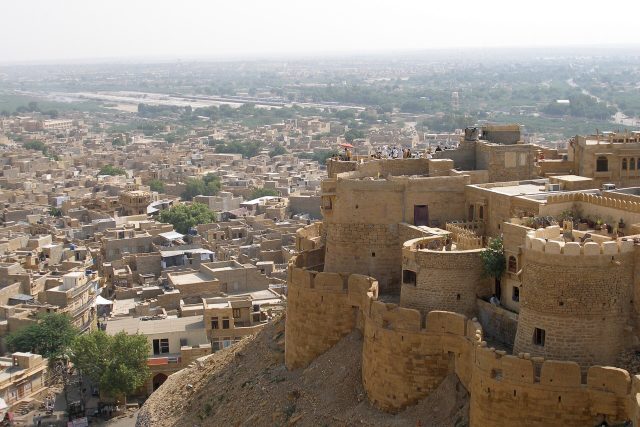
Córdoba
Spain · 10 places
Photo: shaorang, CC BY-SA 2.0
Córdoba moves at its own pace, as if time itself has softened here, letting the stones whisper their stories. Perched along the Guadalquivir River, the city was once one of medieval Europe’s brightest jewels, a place where science, poetry, and architecture flourished under the rule of caliphs. That golden age has faded, but its echoes linger in every corner—so vividly that Córdoba feels less like a city and more like an open-air museum where the past breathes. The old quarter’s narrow streets wind between whitewashed houses, their latticed windows and hidden patios alive with the sound of trickling fountains. It’s easy to imagine yourself stepping into another era, where life unfolded slowly, shielded from the rush of the outside world.
At the heart of Córdoba stands the Mezquita, a breathtaking fusion of faiths and eras. Once a grand mosque, it later became a Christian cathedral, yet its Islamic roots remain undeniable in the forest of red-and-white striped arches that stretch endlessly, as if leading somewhere beyond time. Walking through its vast halls, you can’t help but reflect on how different cultures have shaped this space—not by erasing what came before, but by layering their stories atop one another. Just steps away lies La Judería, the old Jewish quarter, where a 13th-century synagogue still stands as a quiet testament to the community that once thrived here. It’s one of the few remaining on the Iberian Peninsula, a rare survivor of a vanished world.
But Córdoba isn’t just a city of monuments; it’s a place where life unfolds deliberately, on its own terms. Summers here are fierce, and locals retreat from the midday sun into the cool embrace of their patios—intimate courtyards bursting with flowers, tiles, and the murmur of water. These hidden gardens are more than just private sanctuaries; they’re a living tradition. Every May, the city celebrates them in the Festival de los Patios, when residents open their doors to visitors, competing to create the most stunning displays. For a few weeks, Córdoba transforms: streets hum with music, the air is thick with the scent of blossoms, and strangers are welcomed into homes that have stood for centuries.
Food here is another kind of heritage. Córdoba’s kitchens turn out some of Andalusia’s most beloved dishes, and the markets overflow with local treasures—olives, aged cheeses, jamón, and the city’s own crisp white wines. In tapas bars, you’ll find salmorejo, a velvety cold soup of tomatoes, bread, and olive oil, richer and deeper than gazpacho, and nowhere is it made better than here. As evening falls and the heat relents, the Guadalquivir’s promenade comes alive. Locals and visitors alike stroll along the river, watching the lights of the old bridge shimmer on the water, a scene that hasn’t changed in generations.
What sets Córdoba apart is its refusal to conform. It’s quieter than Seville, less tourist-choked than Granada, a city that doesn’t demand your attention but rewards those who linger. There are no crowds rushing from one landmark to the next, just quiet corners where you can sit with a coffee and watch life unfold at the same unhurried pace as the river. Maybe that’s its greatest charm—Córdoba asks nothing of you except the willingness to slow down and listen.
See & Do
All of them


Places on the map
Marker colour follows the categoryClimate and weather
Detailed weather: Córdoba- Average temperature
- 19 °C
- Precipitation per year
- 509 mm
- Sunshine hours per day
- 9.4 h
Average air temperature
°C
9
11
13
17
21
26
29
29
25
20
13
10
Jan
Feb
Mar
Apr
May
Jun
Jul
Aug
Sep
Oct
Nov
Dec