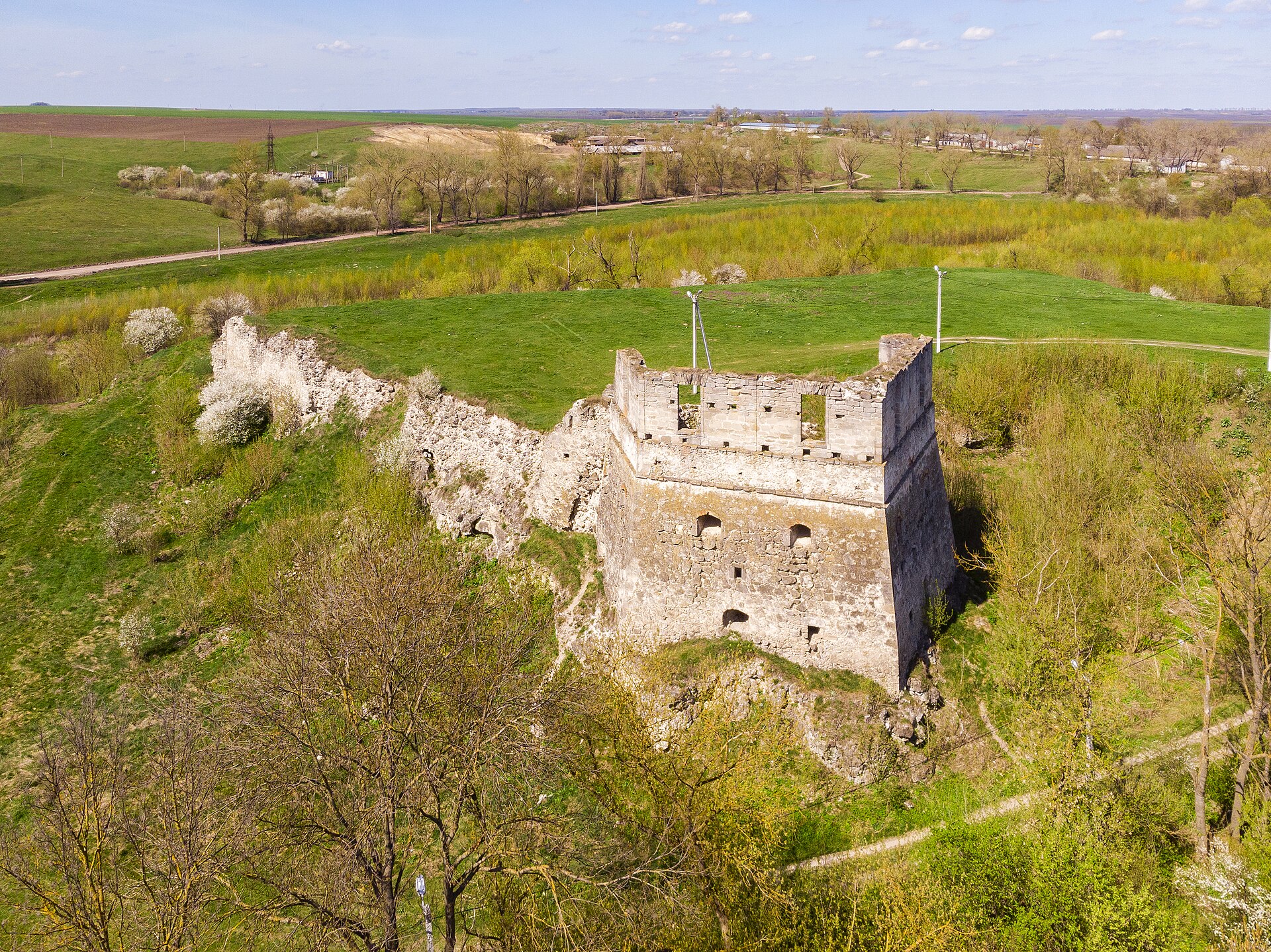
Tokivskyi Park is one of those rare places where nature and history feel effortlessly intertwined, as if time itself has settled into a slower rhythm. Tucked away in the small settlement of Toki in central Ukraine, the park stretches along the banks of the Tokmachka River, where steep cliffs and dense thickets create an atmosphere of quiet seclusion. There are no crowds here, no flashy attractions or intrusive signs—just the rustle of leaves, the murmur of water, and the occasional call of a bird. It’s the kind of place where you can wander for hours without encountering another soul, yet still feel connected to something larger than yourself.
The park’s origins are deeply rooted in the region’s past, particularly its Cossack heritage. In the 19th century, these lands belonged to local landowners who began shaping the area into a private retreat, planting trees and laying out paths for leisurely strolls. Over time, what was once an exclusive estate opened to the public, becoming a gathering place for locals and visitors alike. Today, the park retains much of its old-world charm, with tree-lined avenues leading to scenic viewpoints that overlook the river and rolling hills. The chestnuts and lindens, some of them well over a century old, stand as silent witnesses to the generations that have walked beneath their branches.
What truly sets Tokivskyi Park apart are the cliffs that rise dramatically above the river. Though not as towering as those in the Carpathians, their sheer faces and rugged contours give the landscape an almost alpine feel. Locals simply call them "the rocks," though some have names that hint at stories from the past. One of the most famous is Love Rock, named after a tale of forbidden romance—a young couple who supposedly met here in secret, defying their families. Whether the legend holds any truth is impossible to say, but the name lingers, adding a touch of melancholy to the place.
Beyond its natural beauty, the park holds fragments of architectural history, modest but meaningful. An old bridge, built in the early 20th century, still spans the river, its stone piers and metal framework weathered by time. It’s not grand or meticulously restored, but that only adds to its character. Nearby, the ruins of an old mill stand as a reminder of the river’s once-practical role in the community. The crumbling walls and rusted machinery tell a quiet story of labor and change, long before the park became a place for leisure.
For those seeking an escape from the noise of modern life, Tokivskyi Park offers a rare kind of tranquility. There’s no need for elaborate itineraries or guided tours—just a willingness to slow down and let the surroundings unfold at their own pace. In summer, the air is thick with the scent of blooming lindens, and the river beckons with its cool embrace. Autumn brings a different kind of beauty, as the trees turn gold and the cliffs stand stark against the gray sky. Even in winter, when the park is quiet and still, there’s a sense of quiet resilience, as if the land is simply waiting for the cycle to begin again.
Despite its unassuming nature, the park plays a vital role in the life of the community. It’s where families bring their children on weekends, where friends gather for picnics, and where older residents sit on benches, lost in memories. There are no fancy restaurants or entertainment complexes here—just the simple pleasures of nature and company. That lack of pretense is part of what makes the park special. It’s a place where time doesn’t just pass; it lingers, allowing you to step out of the rush of daily life and into something more enduring.
To the first-time visitor, Tokivskyi Park might seem like just another green space, but those who spend even a few hours here begin to sense its deeper layers. It’s not merely a collection of trees and rocks, but a living archive of the land and the people who have shaped it. The cliffs, the river, the old bridge—each element carries traces of the past, yet the park never feels like a relic. Instead, it exists in a delicate balance between history and the present, offering a space where the two can coexist without conflict.
Perhaps that’s why the park has remained a cherished place for over a century. It doesn’t demand attention or impose itself on the visitor. It simply exists, quietly enduring, as the seasons change and the river continues its slow journey. For those who take the time to notice, it offers something far more valuable than spectacle: a sense of continuity, a reminder that some things—like the land itself—are meant to be savored, not hurried through.